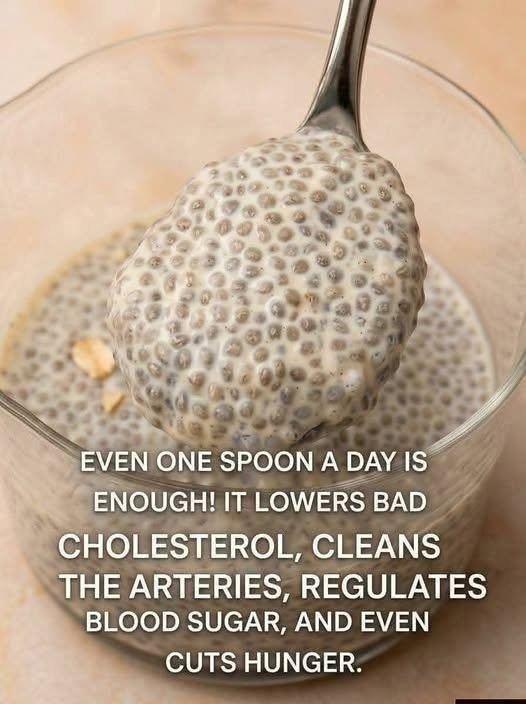
When wellness blogs and social media influencers rave about a “spoonful of chia seed pudding” as a miraculous gut-cleansing, weight-loss superfood, they often wrap simple culinary science in exaggerated marketing hype.
The underlying nutritional and biochemical reality is far more interesting: chia seeds (Salvia hispanica) are botanical powerhouses of soluble viscous fiber, plant-based omega-3 fatty acids (ALA), and complete minerals. When mixed with liquid, they do not perform magical detoxification inside your body; instead, they undergo a fascinating physical transformation that directly impacts your digestion, blood sugar, and satiety hormones.
An evidence-based look at what a spoonful of chia pudding actually does inside your digestive tract separates superfood myth from nutritional science.
1. The Science of the “Gel”: Why Chia Seeds Transform
If you drop dry chia seeds into water or milk, they don’t dissolve—they swell.
-
The Mechanism: Each seed is coated in a thick layer of soluble mucilaginous fiber. When exposed to liquid, this fiber absorbs up to 10 to 12 times its weight in water, forming a gelatinous outer matrix.
-
The Digestive Impact: When you eat chia seed pudding, that viscous gel slows down gastric emptying. It physically delays the rate at which enzymes break down carbohydrates and absorb glucose into your bloodstream, effectively blunting post-meal blood sugar spikes.
2. What a Spoonful Actually Delivers (Nutritional Breakdown)
While it won’t replace a balanced diet or act as a pharmaceutical fix, a standard serving of chia pudding packs a dense concentration of micronutrients:
-
High-Density Soluble and Insoluble Fiber: A couple of tablespoons provide roughly 10 grams of fiber, feeding your beneficial gut microbiome and promoting regular motility without harsh laxative effects.
-
Alpha-Linolenic Acid (ALA): Chia seeds are one of the richest plant sources of ALA, an essential omega-3 fatty acid that supports cardiovascular health and helps modulate systemic inflammation.
-
Satiety and Blood Sugar Regulation: Because the gel takes up volume in the stomach and slows digestion, it triggers the release of satiety hormones (like PYY and GLP-1), keeping you full longer and preventing energy crashes.
3. Practical Rules for Eating Chia Pudding Safely
Because chia seeds absorb so much liquid so quickly, eating them raw by the spoonful dry can actually be dangerous—they can absorb moisture in your esophagus and pose a choking hazard.
-
Always Pre-Soak: Let chia seeds hydrate in liquid (dairy, almond milk, or coconut milk) for at least 30 minutes (or overnight) until they form a uniform pudding consistency.
-
Hydrate Alongside It: Because they pull in significant amounts of fluid in your gut, ensure you are drinking adequate water throughout the day to let the fiber move smoothly through your digestive tract.
The Takeaway
Forget the detox hype. A spoonful of chia seed pudding isn’t a magical cure-all, but it is a scientifically sound, exceptionally convenient way to deliver a heavy dose of gut-healthy soluble fiber, steady energy, and plant-based omega-3s into your daily routine.
