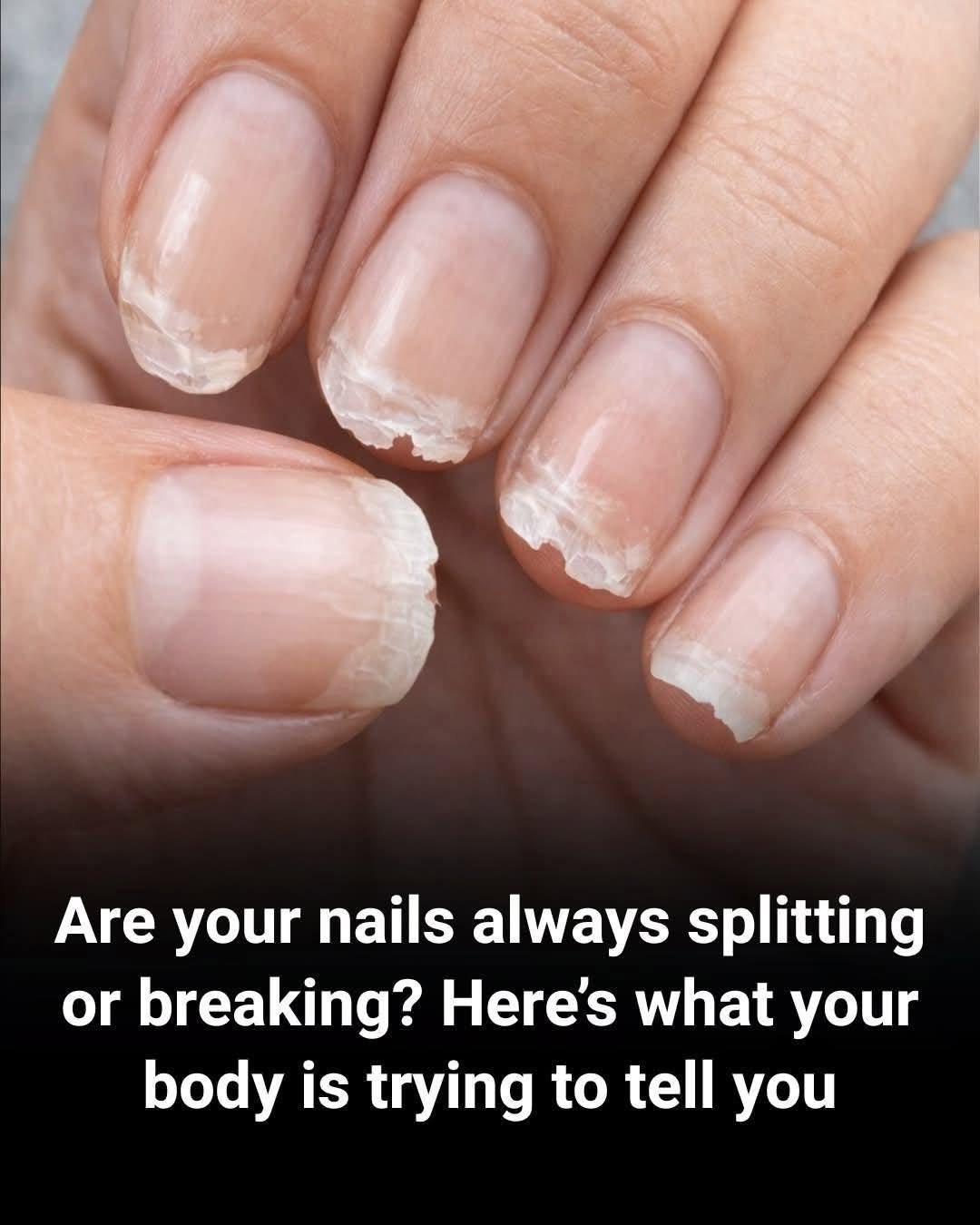
When your nails start splitting, peeling, breaking easily, or developing stubborn ridges, it is easy to view them as a purely cosmetic nuisance or blame too much handwashing. However, your fingernails are actually keratin-based health barometers.
When structural integrity breaks down, your nails are often signaling an internal nutritional gap or physiological stressor.
1. For Soft, Peeling, or Slow-Growing Nails: Protein and Iron Deficiency
If your nails bend easily, peel off in layers, or take forever to grow out, your body may be struggling to build strong keratin structures.
-
Protein: Nails are made almost entirely of a tough fibrous protein called keratin. If your overall dietary protein intake is chronically low, your body prioritizes protein for vital internal organs, leaving hair and nail growth underfunded.
-
Iron (and Ferritin): Low iron stores impair oxygen delivery throughout the body, including to the nail matrix (the tissue underneath the cuticle where nail cells form). Iron-deficient nails often become brittle, flat, or even develop a spoon-like upward curve (koilonychia).
-
Where to find them: Lean meats, eggs, fish, beans, lentils, and dark leafy greens.
2. For Dry, Brittle Nails Prone to Splitting: Biotin and Healthy Fats
When your nails snap with minimal pressure or look dry and cracked at the edges, micronutrient and lipid imbalances are often at play.
-
Biotin (Vitamin B7): Biotin is essential for metabolizing amino acids—the building blocks of keratin. While severe biotin deficiency is rare, mild shortfalls are heavily linked to brittle, splitting nails.
-
Essential Fatty Acids (Omega-3s): Healthy fats lubricate and moisturize tissues from the inside out. Without them, the nail bed and surrounding cuticles dry out, causing the nail plate to lose its flexibility and snap easily.
-
Where to find them: Egg yolks, sweet potatoes, almonds, salmon, walnuts, and flaxseeds.
3. For Ridged, Discolored, or White-Spotted Nails: Minerals and Systemic Health
-
Zinc Deficiency: Vertical ridges, slow growth, and small white spots (leukonychia) are often associated with low zinc levels. Zinc is vital for cell division and protein synthesis required for rapid nail growth.
-
Thyroid Disruptions: An underactive thyroid (hypothyroidism) slows down your body’s overall metabolic rate, which drastically reduces blood circulation to your extremities and starves the nail beds of nutrients, resulting in thick, dry, brittle nails.
Non-Nutritional Culprits to Rule Out
Not all nail weakness comes from inside the body. External factors frequently mimic internal deficiencies:
-
Excessive Moisture and Chemical Exposure: Frequently submerging your hands in water, cleaning with harsh chemical detergents, or using acetone-based nail polish removers strips natural oils and moisture from the nail plate, causing them to fray and split.
-
Gel and Acrylic Manicures: The harsh filing required to prep nails for artificial enhancements—combined with the chemical removal process—thins and damages the natural nail plate over time.
What You Can Do
If you want to strengthen your nails from within, start by focusing on a balanced diet rich in protein, iron, zinc, and healthy fats. If simple dietary adjustments don’t help—or if brittle nails are accompanied by fatigue, hair loss, or cold intolerance—a simple blood panel ordered by your doctor can check your iron (ferritin), thyroid function, and vitamin levels to pinpoint the exact root cause.
