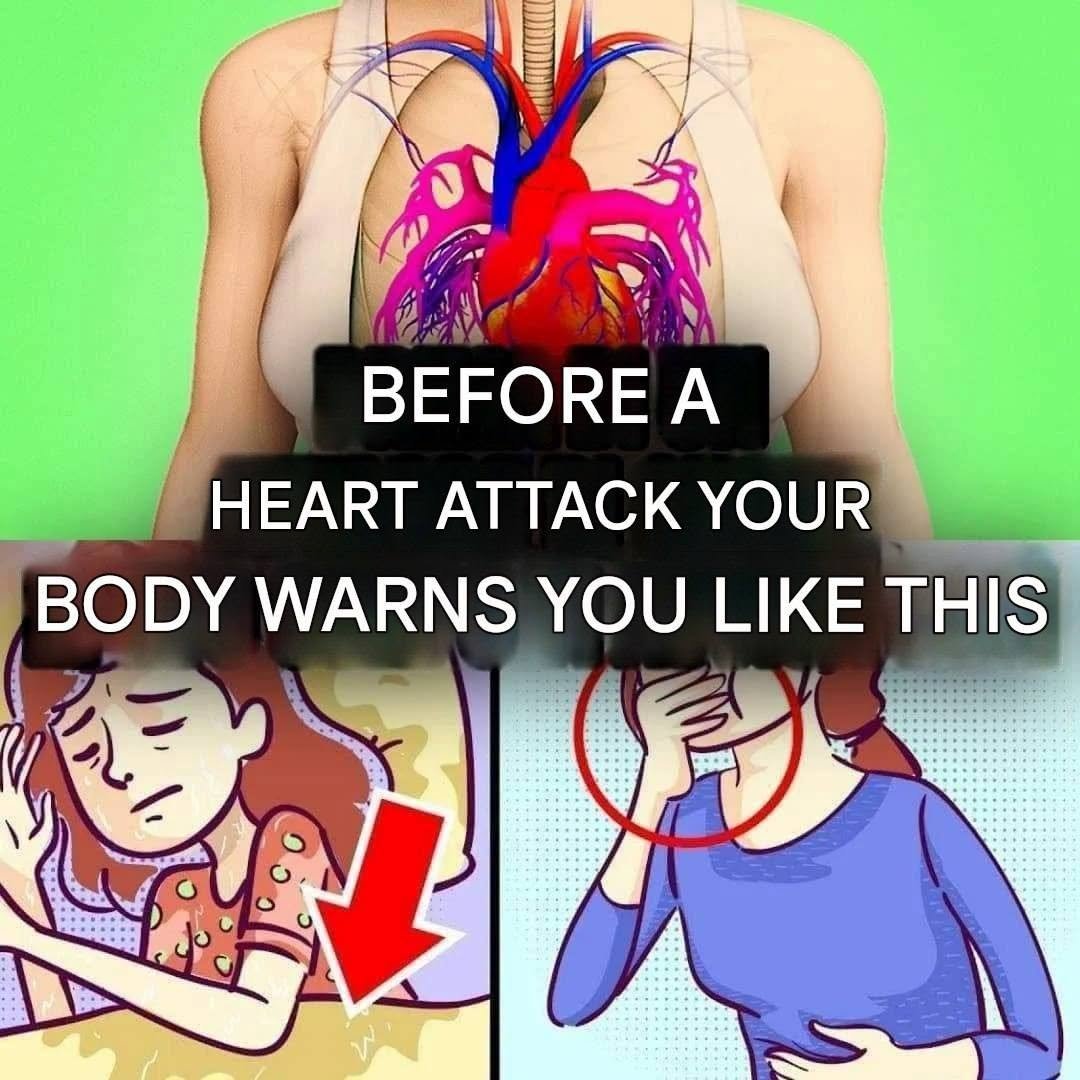
When clickbait health articles scream about “8 heart attack symptoms you shouldn’t ignore,” they love to cast as wide a net as possible—lumping together terrifying cardiovascular red flags with everyday aches, indigestion, and normal muscle fatigue to maximize clicks through sheer panic.
While recognizing a true cardiac event is critical, the internet often muddies the waters by making people think a twitching eyelid or a sore shoulder is an impending cardiac arrest.
The Real Signs of a Heart Attack
Heart attacks do not always look like the dramatic cinematic collapse clutching the chest. Symptoms can vary significantly from person to person (and often present differently between men and women), but true cardiac warning signs involve persistent, systemic distress:
-
Chest Pressure, Squeezing, or Fullness: A heavy, central pressure—often described as an elephant sitting on your chest—that lasts for more than a few minutes or goes away and comes back.
-
Pain Radiating to the Upper Body: Discomfort that spreads beyond the chest into one or both arms, the back, neck, jaw, or upper stomach.
-
Shortness of Breath: Difficulty breathing or feeling profoundly winded, which can happen with or without chest discomfort.
-
Cold Sweats, Nausea, or Lightheadedness: A sudden, unprovoked breakout of a cold sweat accompanied by sudden dizziness or nausea.
What Heart Attack Symptoms Are NOT
Clickbait lists pad their numbers by listing everyday sensations that have nothing to do with your heart:
-
Sharp, Fleeting Stabs of Pain: A quick, sharp needle-like pain that lasts for a split second is usually musculoskeletal or a pinched nerve, not a heart attack.
-
General Fatigue: Being tired after a long workday is exhaustion, not a cardiac emergency.
-
Digestive Indigestion from Spicy Food: While upper stomach discomfort can sometimes mask a heart issue, burning indigestion after eating a heavy meal is almost always just acid reflux.
When to Seek Emergency Help
If you or someone nearby experiences sudden, unexplained chest pressure, radiating pain, or shortness of breath—especially if it is accompanied by sweating or nausea—do not scroll through an online list or wait to see if it passes. Call emergency services immediately. Quick medical intervention saves heart muscle.
