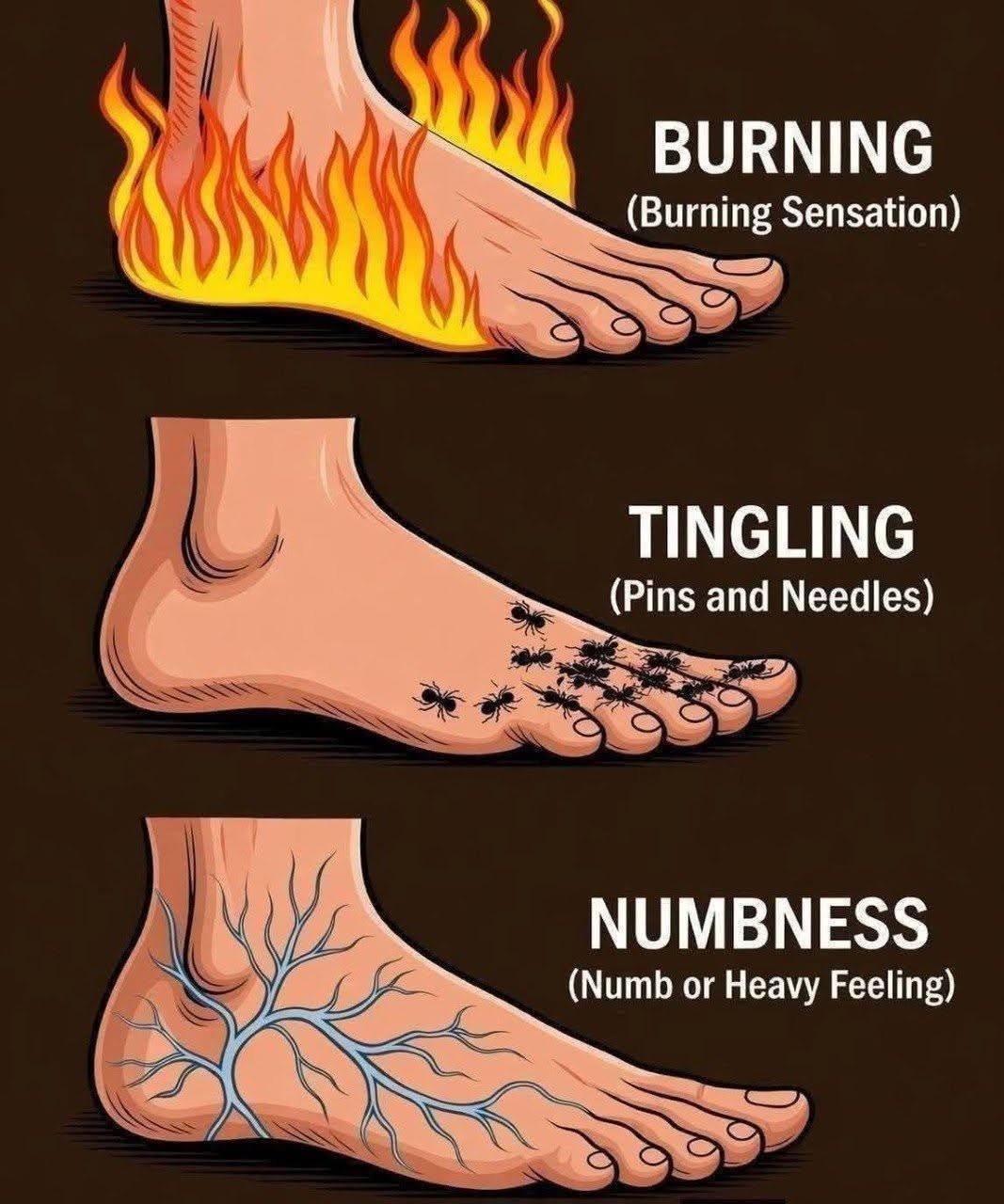
When health blogs and clickbait feeds flash sensationalized warnings like “If you have these 9 symptoms in your feet, it’s a sign that…”, they rely on the oldest trick in the digital marketing playbook: taking a scrambled, random grab-bag of everyday physical sensations—from cold toes on a chilly morning to a fleeting muscle cramp—and framing them as a mysterious, terrifying omen.
By exploiting our natural worry about bodily changes, these articles turn ordinary human discomforts into a fear-inducing guessing game.
What Clickbait “Foot Symptom” Lists Get Wrong
-
The “Scare-Tactics Checklist” Fallacy: To pad a list out to a dramatic number like nine, clickbait articles lump together completely unrelated issues—such as dry skin, minor nail discoloration, occasional swelling from a long flight, and nerve tingling—pretending they all point to the exact same catastrophic diagnosis.
-
Ignoring Universal Base Rates: Viral lists ignore the fact that almost everyone experiences temporary foot fatigue, minor aches, or temperature shifts due to standing, walking, or weather, long before any underlying medical condition is present.
The Clinical Reality: How Physicians Actually Evaluate Foot Symptoms
Podiatrists, neurologists, and primary care doctors do not diagnose health conditions by cross-referencing a viral internet checklist. When a patient presents with foot complaints, clinicians look for distinct physiological patterns grouped into three main categories:
-
Vascular and Circulatory Signatures: If feet are chronically cold, pale, or slow to heal from minor scrapes, clinicians evaluate arterial blood supply (such as peripheral artery disease) or venous return. Circulation issues affect the whole foot uniformly or present with clear ischemic signs, rather than random, disconnected quirks.
-
Neurological and Metabolic Pathways: Sensations like persistent burning, numbness, or “pins and needles” are specific signals of nerve distress. Clinicians look at systemic metabolic factors—like long-term blood sugar regulation or vitamin B12 status—as well as localized nerve entrapments (such as tarsal tunnel syndrome).
-
Biomechanical and Structural Load: Many localized foot pains (like heel pain in the morning or arch soreness) are mechanical issues driven by unsupportive footwear, high impact, or structural inflammation like plantar fasciitis. These are physical strain problems, not systemic doomsday indicators.
Evidence-Based Steps for Foot Health
If you are experiencing persistent or unusual discomfort in your feet, skip the internet panic and take a grounded, practical approach:
-
Assess the Persistence: Differentiate between temporary discomfort (like sore feet after a long day of standing) and persistent, progressive symptoms that interfere with daily life.
-
Inspect Your Feet Regularly: Check for changes in skin integrity, color, temperature, or sensation—especially if you manage conditions like diabetes that require diligent foot care.
-
Consult a Qualified Healthcare Professional: If symptoms like chronic numbness, sharp pain, or swelling do not resolve with rest and supportive footwear, schedule an evaluation with your primary care provider or a podiatrist for an accurate, non-alarmist diagnosis.
