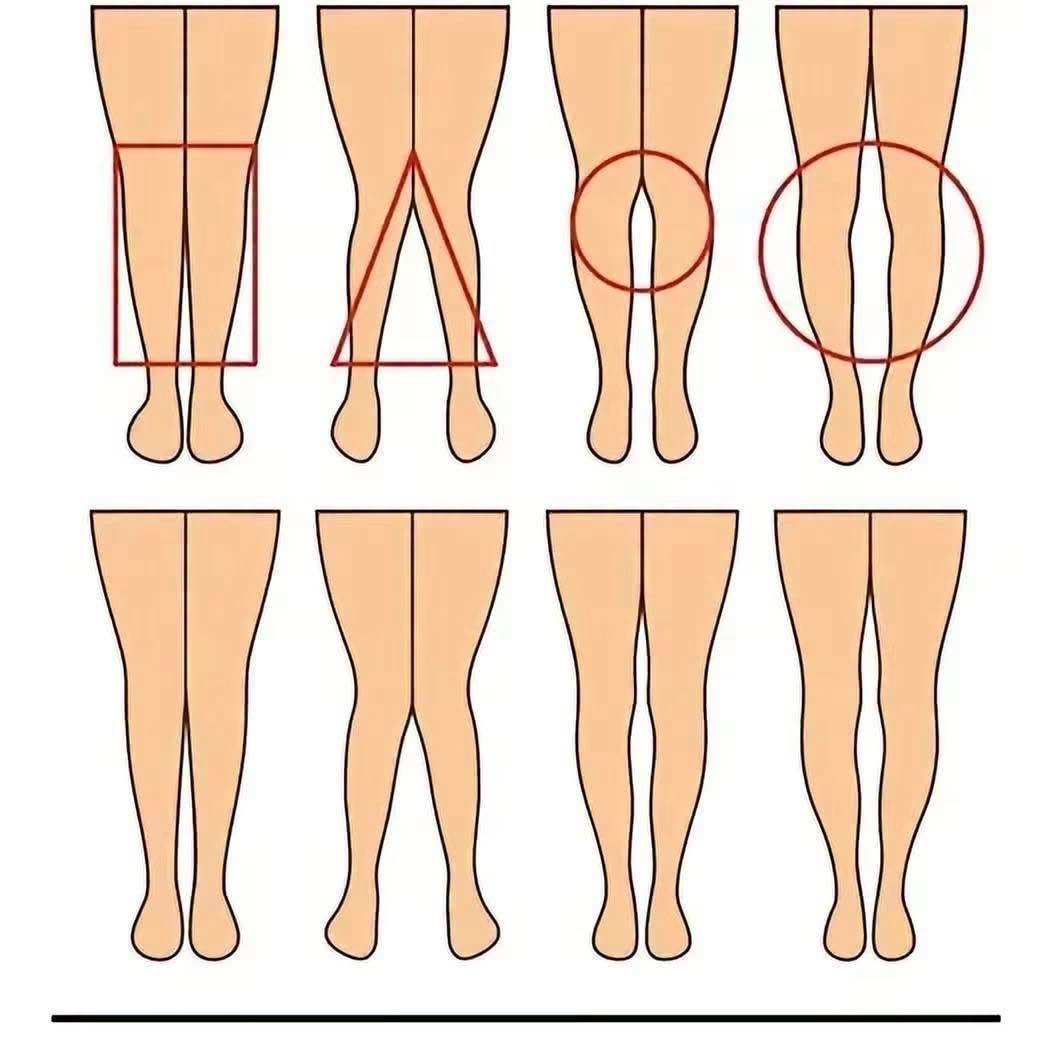
When wellness and lifestyle algorithms flash sensationalized clickbait hooks like “A woman’s legs can tell how her…”, they rely on turning standard vascular physiology into a mysterious, fortune-telling guessing game.
By framing basic anatomical signs as secret indicators of overall health, these articles sacrifice clinical accuracy for high-click curiosity.
What Clickbait “Leg Health” Claims Get Wrong
-
The “Crystal Ball” Fallacy: Clickbait treats the lower extremities as a magical diagnostic screen that can instantly decode an individual’s entire internal medical history at a glance, bypassing proper clinical evaluation.
-
Sensationalized Framing: Articles often spin routine circulatory or metabolic markers into dramatic, alarming warnings designed entirely to maximize online engagement rather than provide useful education.
The Clinical Reality: What Lower Extremities Actually Reveal
Physicians, vascular specialists, and cardiologists evaluate lower-limb symptoms through objective, measurable physiological systems rather than internet mysticism:
-
Vascular and Circulatory Status: Changes in leg comfort, skin color, or temperature are direct indicators of how well blood is moving through arteries and veins. For instance, chronic venous insufficiency (manifesting as aching heaviness or varicose veins) reflects how effectively blood returns to the heart against gravity.
-
Systemic Fluid Balance (Edema):Persistent swelling in both ankles and calves can point toward how efficiently fluid is managed across multiple organ systems—including cardiac output, renal filtration, or hepatic function. It is a broad barometer of systemic fluid balance, not an isolated mystery.
-
Neurological and Metabolic Signaling: Nerve-related sensations in the feet and lower legs often track with long-term metabolic health, such as blood glucose regulation or vitamin status, providing concrete data points for physical examinations.
Grounded Approaches to Leg and Vascular Health
Instead of reacting to vague online hooks, medical guidance emphasizes practical, evidence-based self-care and professional evaluation:
-
Monitor Persistent Changes: Pay attention to symptoms that do not resolve with rest—such as unilateral swelling, non-healing skin sores, or sharp cramping during movement.
-
Support Healthy Circulation: Incorporate regular movement, calf muscle activation, and appropriate hydration to assist natural blood return and reduce venous pooling.
-
Consult Qualified Professionals: If you notice chronic swelling, persistent pain, or noticeable changes in skin integrity, schedule a formal medical checkup rather than turning to internet listicles for answers.
This short video breaks down the physiological connection between lower-extremity symptoms and underlying cardiovascular and circulatory health.
