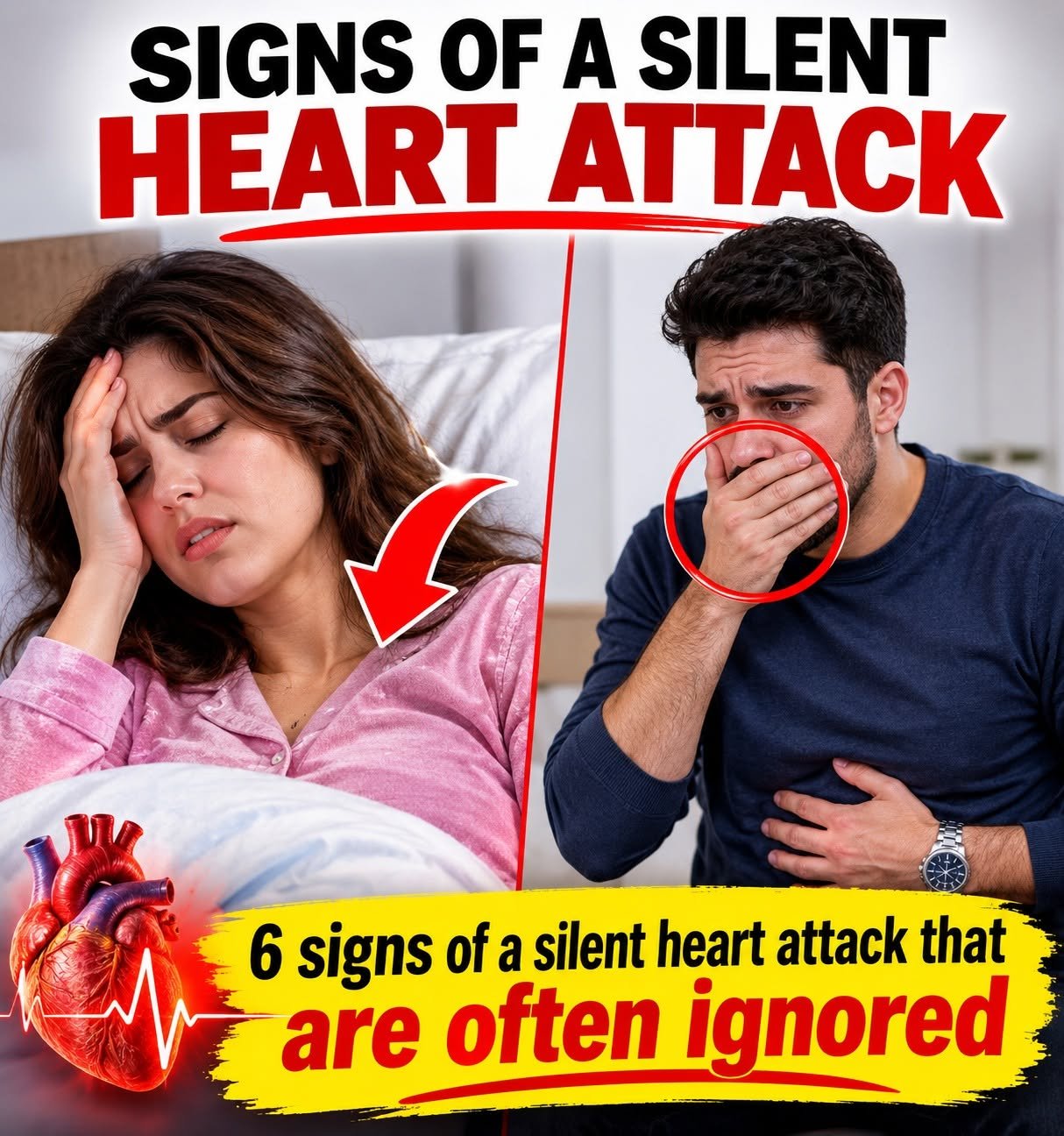
When clickbait health articles warn you about “silent heart attacks” with mysterious, hidden symptoms, they rely heavily on medical sensationalism. They take ordinary physical sensations—like mild fatigue or muscle stiffness—and package them into a terrifying quiz designed to make you second-guess every minor ache in your body.
A “silent heart attack” (medically known as a silent myocardial infarction, or SMI) is real, but it isn’t a mysterious event with secret codes. It simply means a heart attack occurred without the classic, dramatic Hollywood chest-clutching pain, meaning the person either didn’t realize it happened at the time or brushed off the symptoms as something else.
What a “Silent” Heart Attack Actually Is
A heart attack happens when blood flow to a section of the heart muscle is blocked, causing tissue damage. If the nerve signals traveling from the heart are muted—which is particularly common in older adults or people with diabetes (due to diabetic neuropathy)—the brain doesn’t receive the sharp pain signals normally associated with a cardiac event.
Because the symptoms are subtle or atypical, people often mistake them for routine discomfort. When real subtle signs occur, they typically involve uncharacteristic, systemic changes:
-
Unexplained, Profound Fatigue: Not just feeling tired after a long day, but a sudden, overwhelming exhaustion where simple physical tasks (like walking up a flight of stairs) feel impossibly heavy and leave you completely winded.
-
Vague Upper Body Discomfort: Instead of central chest crushing pain, you might feel a dull ache, tightness, or pressure in your jaw, neck, upper back, or one shoulder.
-
Sudden Shortness of Breath: Feeling winded or struggling to catch your breath during mild activity or even while resting, with no obvious respiratory cause like asthma or a cold.
-
Mild Indigestion or Nausea: A sudden bout of unexplained stomach upset, nausea, or a heavy, burning sensation in the upper abdomen that feels distinct from your usual post-meal heartburn.
-
Lightheadedness or Cold Sweats: Breaking out in a sudden, unprovoked cold sweat or feeling dizzy and unsteady for no apparent reason.
Why These Signs Get Missed
These symptoms are easily overlooked because they mimic so many common, harmless conditions—like acid reflux, muscle strain, a poor night’s sleep, or mild anxiety. Because the symptoms pass or seem manageable, people rarely rush to the emergency room.
How Silent Heart Attacks Are Usually Found
Most silent heart attacks aren’t caught while they are happening; they are discovered incidentally later. During a routine physical or an ECG (electrocardiogram) or echocardiogram performed for an entirely different reason, a doctor might spot a scar on the heart muscle (known as a myocardial scar), revealing that a cardiac event occurred in the past without the patient ever knowing.
If you ever experience a sudden cluster of these subtle symptoms—especially if you have cardiovascular risk factors like high blood pressure, high cholesterol, diabetes, or a family history of heart disease—it is always safer to seek professional medical evaluation rather than chalking it up to ordinary fatigue.
