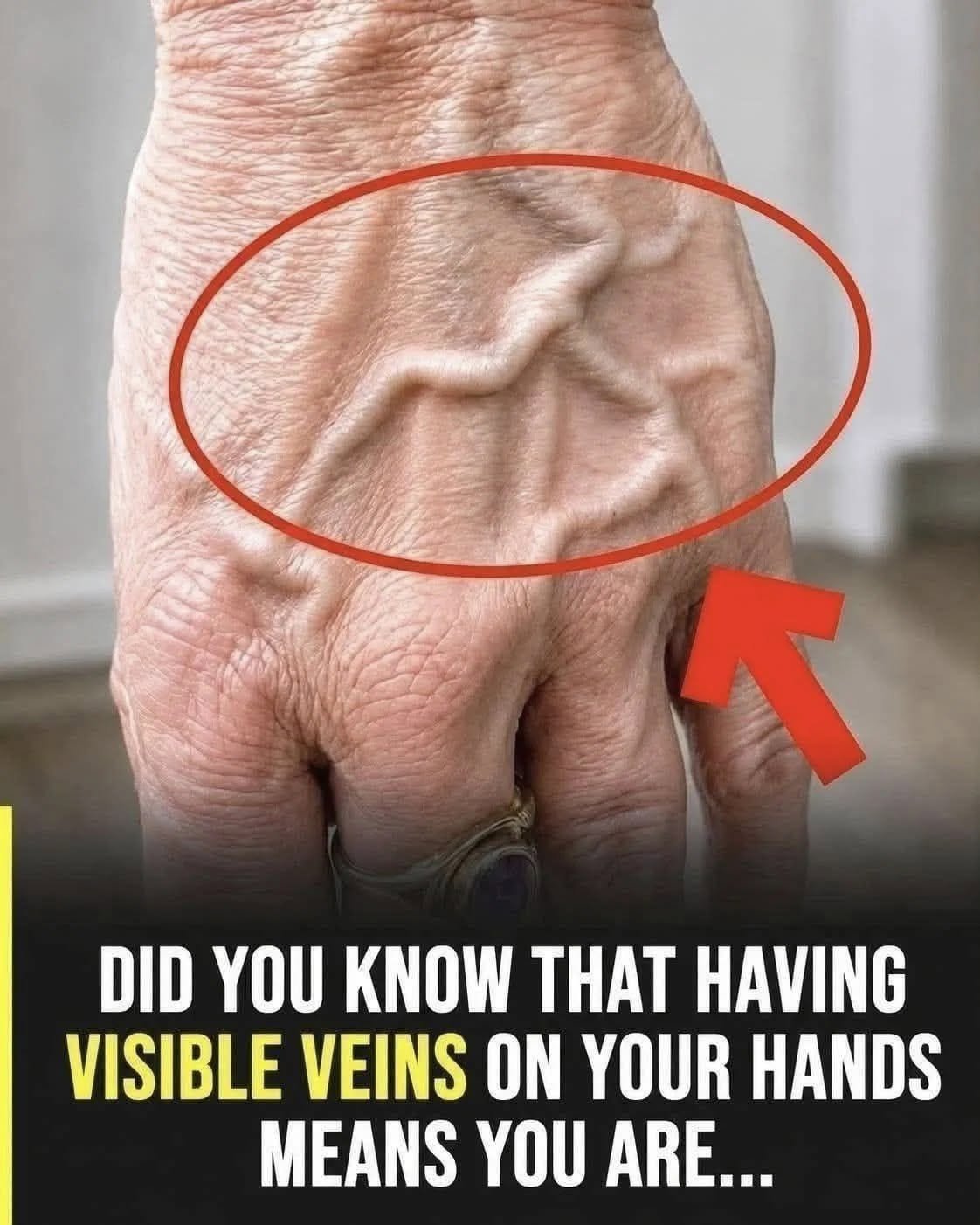
When clickbait health or fitness articles try to tell you that having visible veins means you possess some secret health superpower—or conversely, that you are on the verge of a systemic medical collapse—they are trading in internet exaggeration.
In reality, the visibility of your veins has very little to do with a single hidden condition and everything to do with basic biology, anatomy, and physics.
Why Veins Become Visible
How prominent your veins look depends on a combination of factors that influence how close they are to the surface and how much they stand out:
-
Body Fat Percentage: This is the most common factor. Subcutaneous fat sits between your skin and your muscles. When body fat levels are lower, there is less tissue masking the blood vessels underneath, making veins on the arms, hands, or legs naturally more apparent.
-
Skin Tone and Thickness: Fair skin allows the blue or green hue of underlying veins to show through much more easily than darker skin tones. Additionally, natural aging or cumulative sun exposure thins the skin and breaks down collagen, making veins more prominent.
-
Physical Activity and Heat: When you exercise, your blood pressure rises, your heart pumps faster, and blood vessels dilate to help release heat, pushing blood closer to the surface. Hot weather creates a similar effect.
-
Genetics: Just like eye color or height, how close your superficial veins run to the skin’s surface and how large they naturally are is heavily determined by your genetics.
When Visible Veins Actually Matter
While everyday vascular visibility is completely normal, physicians do look at vein changes when they signal structural issues—such as varicose veins or chronic venous insufficiency, where the tiny one-way valves inside the veins weaken, causing blood to pool and veins to become twisted, swollen, or achy.
If your veins are simply visible because you have low body fat, fair skin, or just finished working out, it’s a normal physiological trait. However, if you notice sudden, painful swelling, ropey and bulging veins accompanied by heavy, aching legs, or skin discoloration, it’s worth a conversation with a healthcare provider rather than trusting a viral headline.
