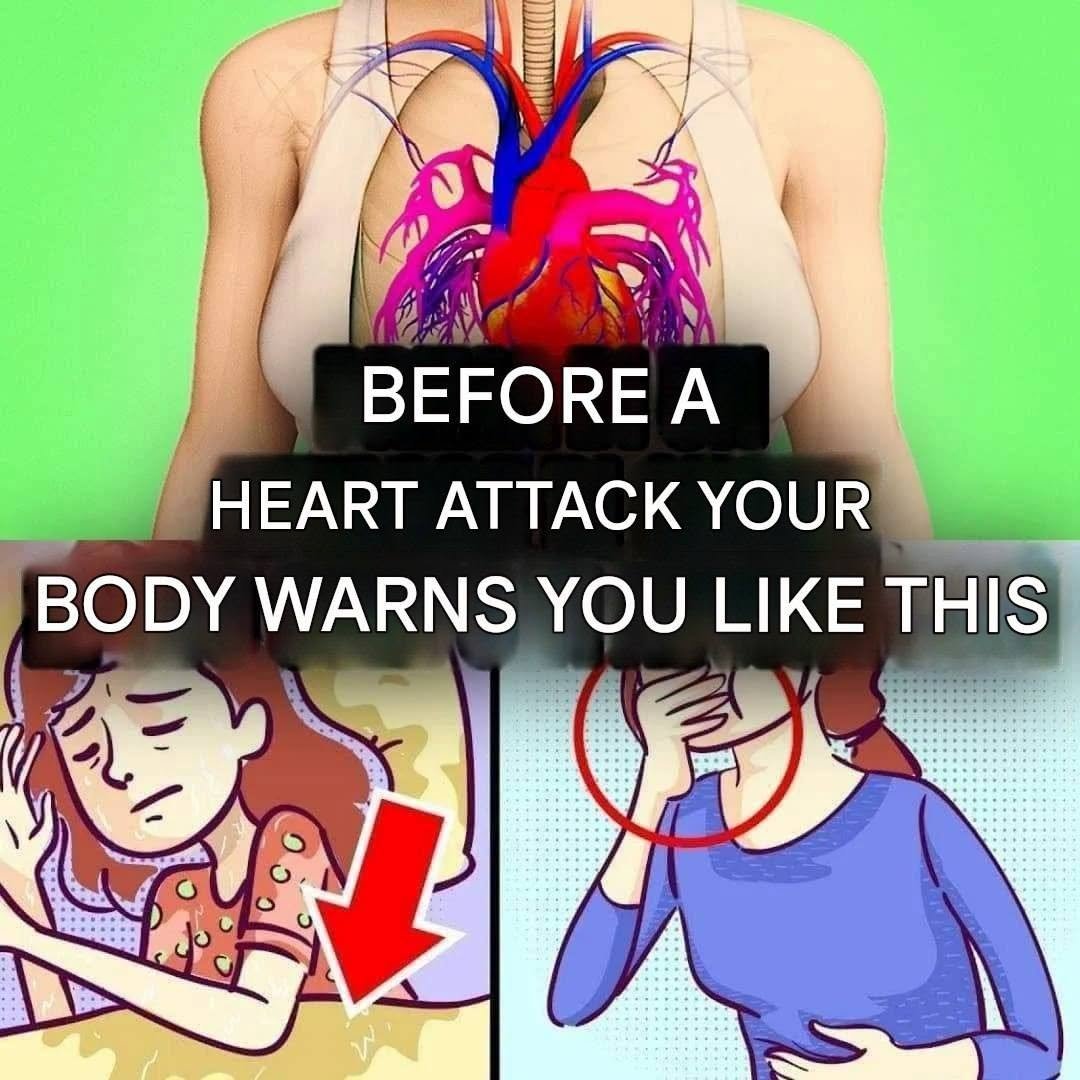
When clickbait wellness articles roll out an urgent, numbered list of “heart attack symptoms you shouldn’t ignore,” they rely on a familiar formula: exaggerating ambiguous physical sensations to trigger maximum anxiety. They want you to believe that your body is constantly whispering secret cardiac alarms through everyday aches and random twitches.
While recognizing genuine warning signs of acute coronary syndrome is vital, conflating normal human biology with a heart attack helps no one. Looking at what is actually happening physiologically separates real medical emergencies from internet panic.
The True Physiological Markers of an Acute Heart Attack
When cardiologists look at what happens during a myocardial infarction, the underlying mechanism is an abrupt blockage of a coronary artery (usually via plaque rupture and clot formation), starving a region of the heart muscle of oxygen-rich blood (ischemia). The resulting symptoms are driven by distressed cardiac muscle tissue signaling the central nervous system:
-
Central Chest Pressure or Squeezing: Often described as an elephant sitting on the chest, a tight band, or a crushing pressure rather than a sharp, pinprick pain. It typically originates behind the sternum and can radiate outward.
-
Radiating Ischemic Pain: Because cardiac nerves share spinal pathways with the upper body, oxygen-starved heart tissue can manifest as an aching, numb, or heavy sensation radiating down the left arm, up into the jaw, across the upper back, or into the neck.
-
Autonomic Distress (Diaphoresis and Nausea): A sudden, unprovoked breakout of cold, clammy sweat combined with abrupt nausea or vomiting is a classic autonomic nervous system response to severe cardiac stress.
-
Profound, Acute Dyspnea: A sudden inability to catch your breath while resting or performing minimal exertion, driven by the heart’s temporary failure to pump efficiently, causing pressure to back up into the pulmonary circulation.
What Clickbait Lists Falsely Label as Heart Attacks
To pad their lists and keep you scrolling, alarmist articles frequently mischaracterize everyday physical phenomena:
-
Musculoskeletal Chest Walls Twitches: A sharp, localized pain that worsens when you take a deep breath, press your finger against a rib, or twist your torso is an inflamed cartilage or muscle issue (costochondritis), not a heart attack.
-
Benign Anxiety Palpitations: A racing heartbeat caused by caffeine, stress, or a mild adrenaline spike is an electrical or autonomic response, not an occluded coronary artery.
The Bottom Line
Real cardiac events involve a distinct, unyielding cluster of symptoms—pressure, breathlessness, sweating, or radiation—that do not vanish when you stretch, change position, or burp. If a symptom is acute, uncharacteristic, and persistent, it demands immediate professional evaluation, not an internet quiz.
