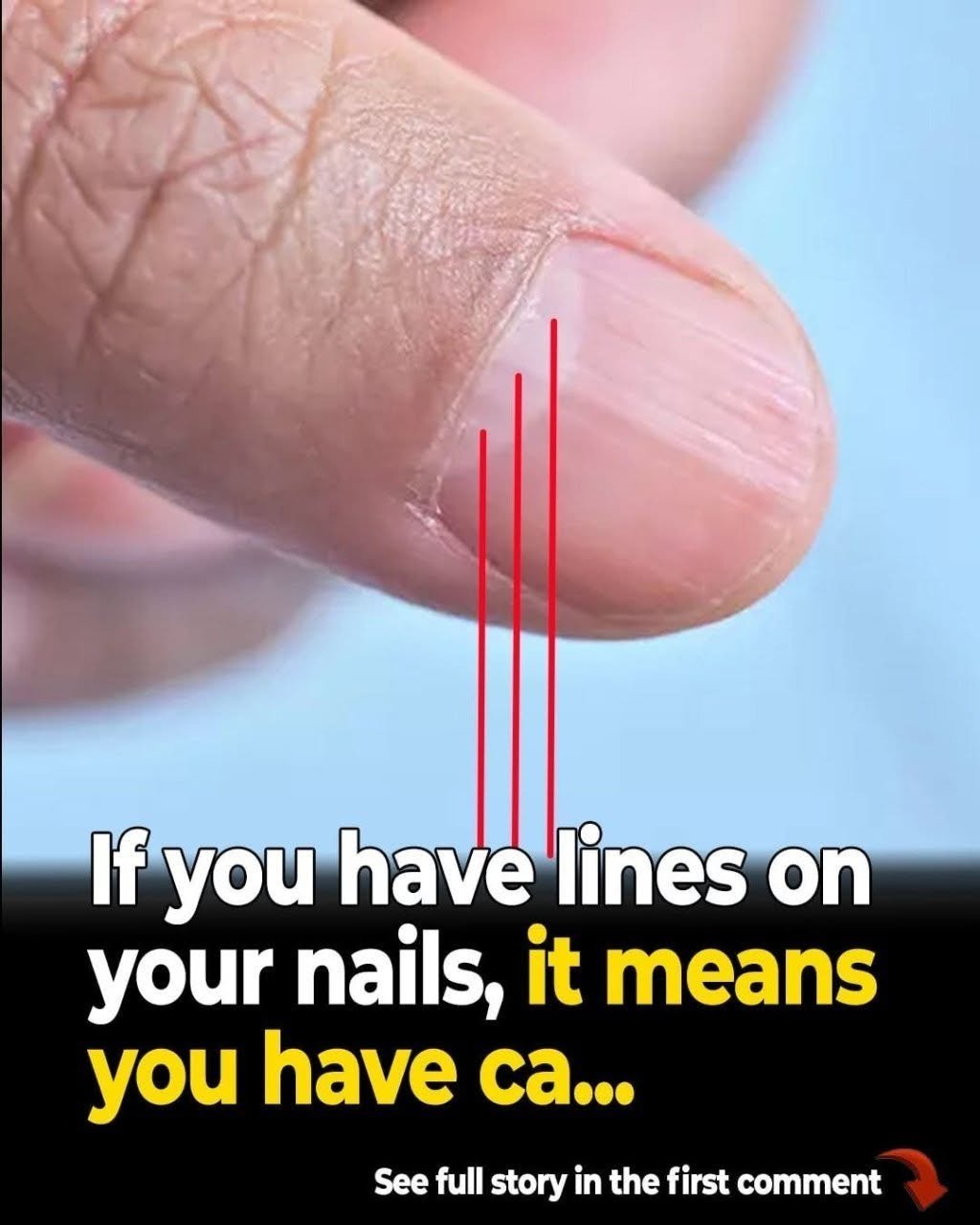
When sensationalized health articles tease that a “telltale sign in your fingernails” can predict your life expectancy, they are cashing in on a classic clickbait formula: taking isolated clinical dermatological observations and exaggerating them into a sensationalized crystal-ball prognosis.
While physicians do examine fingernails as part of a comprehensive physical exam—because nails can sometimes reflect localized trauma or systemic nutritional and vascular states—they do not serve as a mystical countdown timer for your lifespan. Understanding what your nails can actually tell you cuts through the internet panic.
What Clinicians Actually Look For in Fingernails
Dermatologists and primary care doctors evaluate nail plates, nail beds, and surrounding cuticles for clues about localized skin conditions or underlying systemic health:
-
Clubbing (Angle Flattening and Widening): When the tips of the fingers widen and the nails curve downward like the back of a spoon, it is known as nail clubbing. This physical sign is caused by chronic tissue hypoxia (low oxygen levels) over time, and clinicians take it seriously because it can be associated with chronic pulmonary conditions (like COPD or lung cancer) or cardiovascular issues. However, clubbing develops gradually and requires professional clinical imaging and assessment—it is never interpreted in isolation as a standalone “life expectancy” metric.
-
Beau’s Lines (Horizontal Depressions): Deep, transverse grooves running across the nail plate happen when temporary systemic stress—such as a severe illness, high fever, major surgery, or profound nutritional shock—causes the nail matrix to temporarily pause its growth. Once the body recovers, the nail resumes growing, leaving a visible timeline of past physical stress.
-
Splinter Hemorrhages: Tiny, vertical reddish-brown lines under the nail look like small splinters. They are usually caused by minor trauma (like bumping your finger), but if widespread, they can occasionally prompt doctors to check for cardiovascular inflammation (infectious endocarditis).
-
Nail Pitting or Discoloration: Pitting (small dents in the nail surface) is frequently associated with dermatological conditions like psoriasis or alopecia areata, rather than internal organ failure.
What Clickbait Gets Wrong
Sensationalized articles love to treat every normal variation in nail anatomy as an impending doom signal:
-
Vertical Ridges: The fine vertical lines that run from your cuticle to the tip of your nail become more prominent as we age—entirely normal structural changes driven by slowing cellular turnover, much like fine wrinkles on the skin.
-
White Spots (Leukonychia): Those common white dots or streaks on your nails are almost always the result of mild, forgotten micro-trauma to the base of the nail (the matrix) weeks earlier, not a calcium or vitamin deficiency.
The Bottom Line
Your fingernails are a fascinating micro-canvas of keratin, but they are indicators, not oracles. If you notice a sudden, dramatic, and persistent structural change in your nails—such as unexplained clubbing or severe discoloration—it is worth mentioning to a physician during a routine check-up. But you can safely ignore any headline claiming your manicure holds a secret expiration date.
