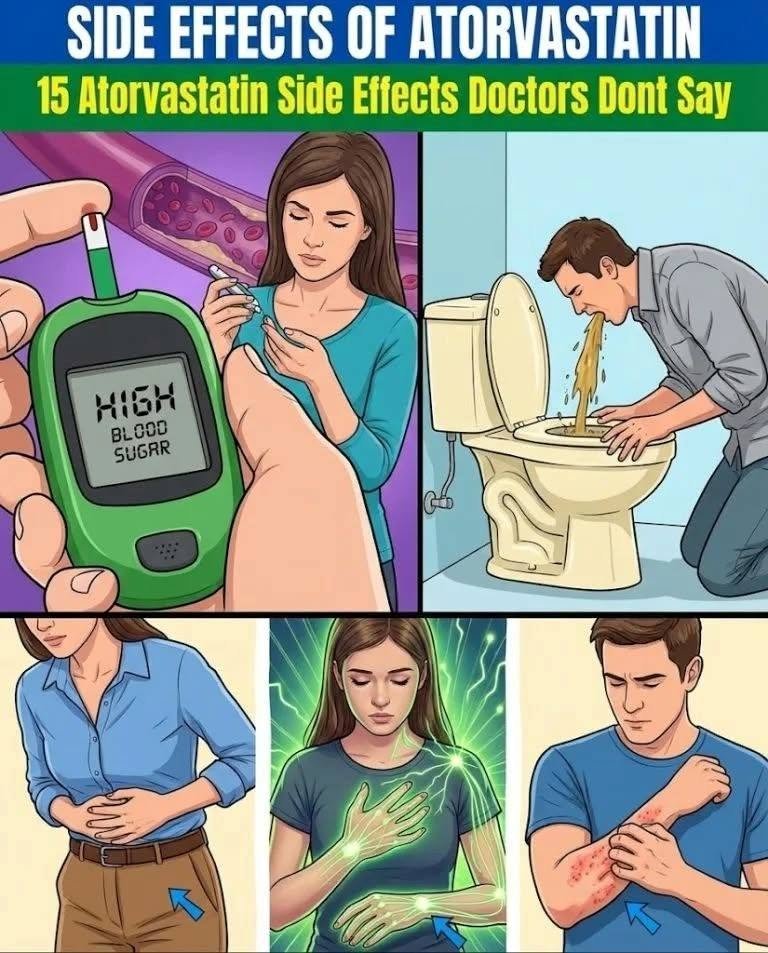
When sensationalized health articles promise a list of “15 hidden atorvastatin side effects your doctor may not have time to mention,” they are playing a familiar and effective psychological card: weaponizing your reliance on a common cardiovascular medication to stoke fear.
Atorvastatin belongs to a class of medications called statins, which are among the most thoroughly studied, globally prescribed drugs in modern medicine. They work by inhibiting HMG-CoA reductase, an enzyme in your liver that plays a central role in producing cholesterol. Because they alter a fundamental metabolic pathway, they have a well-documented pharmacological profile. However, internet listicles love to inflate rare, manageable, or entirely fabricated symptoms into an alarming narrative of secret systemic harm.
The Real Side Effects of Atorvastatin (And Why They Happen)
When prescribing a statin, physicians look for specific, clinically monitored reactions. Most real side effects are dose-dependent and tied to how your body processes the medication:
-
Myalgia (Muscle Aches and Weakness): This is the most widely discussed side effect, affecting a small percentage of patients. It typically manifests as symmetrical aching or tenderness in larger muscle groups (like thighs or calves). While the exact cellular mechanism is still studied—often linked to changes in mitochondrial energy production or coenzyme Q10 levels—it is a real physiological response, not a silent sign of permanent damage.
-
Mild Elevations in Liver Enzymes (Transaminases): Because statins are processed through the liver, they can occasionally cause a temporary, benign bump in liver enzyme blood tests. In the vast majority of cases, this reflects a harmless metabolic adjustment rather than actual liver toxicity or cell death, which is why routine liver failure from standard statin doses is exceedingly rare.
-
Asymptomatic Increases in Blood Glucose: Statins can slightly nudge up HbA1c (blood sugar) levels over time, particularly in individuals already predisposed to prediabetes or metabolic syndrome. Clinicians weigh this minor metabolic shift against the massive, proven reduction in cardiovascular events, finding that the net benefit for high-risk patients remains overwhelming.
-
Mild Gastrointestinal Disruption: Some patients report occasional gas, indigestion, or mild nausea as the digestive tract adjusts to a new medication profile.
What Clickbait Lists Falsely Blame on Statins
To inflate a modest clinical list into a dramatic, clickbait-worthy fifteen items, alarmist articles routinely stretch correlation into false causation:
-
Severe Cognitive Decline or Permanent Memory Loss: Rumors that statins “steal your memory” have circulated online for years. Large-scale randomized clinical trials and cognitive tracking studies have consistently shown no causal link between standard statin use and dementia or permanent memory loss.
-
Random Systemic Mirages: Lumping in unrelated everyday complaints—such as sudden hair thinning, brittle fingernails, unexplained joint pops in the fingers, or blurry vision—stems from fishing through coincidence rather than pharmacology.
The Bottom Line
Atorvastatin is prescribed because lowering low-density lipoprotein (LDL) cholesterol dramatically reduces the risk of heart attacks and strokes—the leading causes of morbidity worldwide.
If you ever experience persistent muscle soreness, unusual fatigue, or other persistent symptoms while taking a statin, never stop taking your medication abruptly. Instead, talk to your prescribing physician; adjustments like a modest dose change, switching to a different statin, or evaluating other factors can easily resolve the issue without sacrificing your cardiovascular protection.
