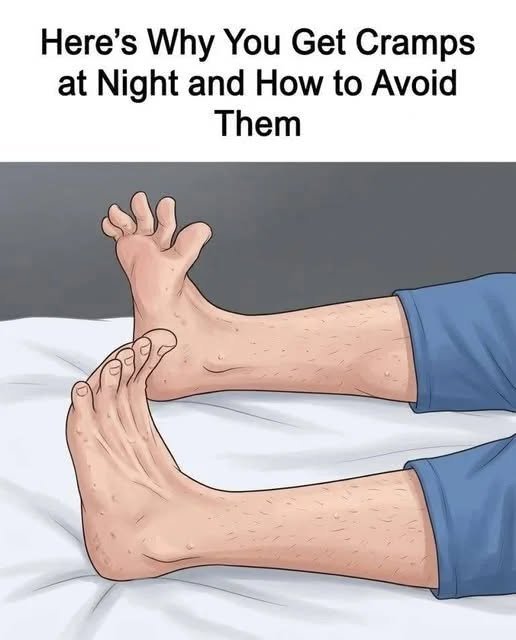
When sensationalized wellness articles tackle “nighttime leg cramps,” they often lean into overly simplistic cures—like demanding you eat a dozen bananas or chug gallons of tonic water—while ignoring the complex neuromuscular mechanics behind nocturnal muscle spasms.
Nighttime leg cramps are sudden, involuntary, and often intensely painful contractions of skeletal muscle (most frequently the calf or foot muscles) that strike when you are resting or sleeping. Understanding why they happen bridges the gap between internet folklore and actual physiology.
The Real Physiological Causes of Nocturnal Leg Cramps
While the exact biological trigger of nocturnal leg cramps is still actively studied, clinical research points to several primary underlying mechanical factors:
-
Neuromuscular Fatigue and Overuse: The leading contributor to cramping is muscular fatigue, particularly after unaccustomed physical exertion, prolonged standing, or unsupportive footwear during the day. Tired motor neurons fire erratically, sending sustained contraction signals to muscle fibers.
-
Nerve Compression or Structural Factors: In older adults, minor nerve impingements (such as mild lumbar radiculopathy or spinal stenosis) or restricted blood flow in the lower extremities can alter nerve signaling, predisposing muscles to involuntary spasms at rest.
-
Electrolyte Shifts and Fluid Balance: While traditional “dehydration cramps” are more common during heavy athletic sweating, shifts in intracellular fluid balance or mineral regulation (including mild fluctuations in magnesium, potassium, or calcium) can alter the electrical resting potential of muscle cell membranes.
-
Prolonged Plantar Flexion: Sleeping on your stomach or pointing your toes downward for hours keeps the calf muscles in a shortened, contracted state, making them mechanically prone to snapping into a painful spasm when stretched.
Evidence-Based Ways to Stop and Prevent Cramps Naturally
Instead of relying on unverified internet hacks, effective prevention focuses on supporting neuromuscular stability and muscle elasticity:
-
Targeted Stretching Routines: Performing slow, sustained stretches of the calf and hamstring muscles right before bed helps lengthen muscle fibers and reduces resting hypertonicity.
-
Magnesium Supplementation (When Indicated): For individuals prone to frequent nocturnal spasms, bioavailable forms of magnesium (like magnesium glycinate) can support normal neuromuscular function and reduce muscle irritability.
-
Hydration and Electrolyte Maintenance: Ensuring consistent fluid intake throughout the day prevents localized fluid imbalances that tax cellular signaling pathways.
-
Immediate Acute Relief: When a cramp strikes, the most effective mechanical intervention is immediate, gentle passive stretching—pulling the toes upward toward your shin (dorsiflexion) while straightening the leg to force the contracted muscle fibers to lengthen.
The Bottom Line
Nighttime leg cramps are a common neuromuscular annoyance rather than a mysterious sign of sudden organ failure. While occasional cramps are a normal part of physical fatigue, experiencing severe, disabling cramps every night warrants a discussion with a healthcare provider to rule out underlying circulatory or neurological factors.
