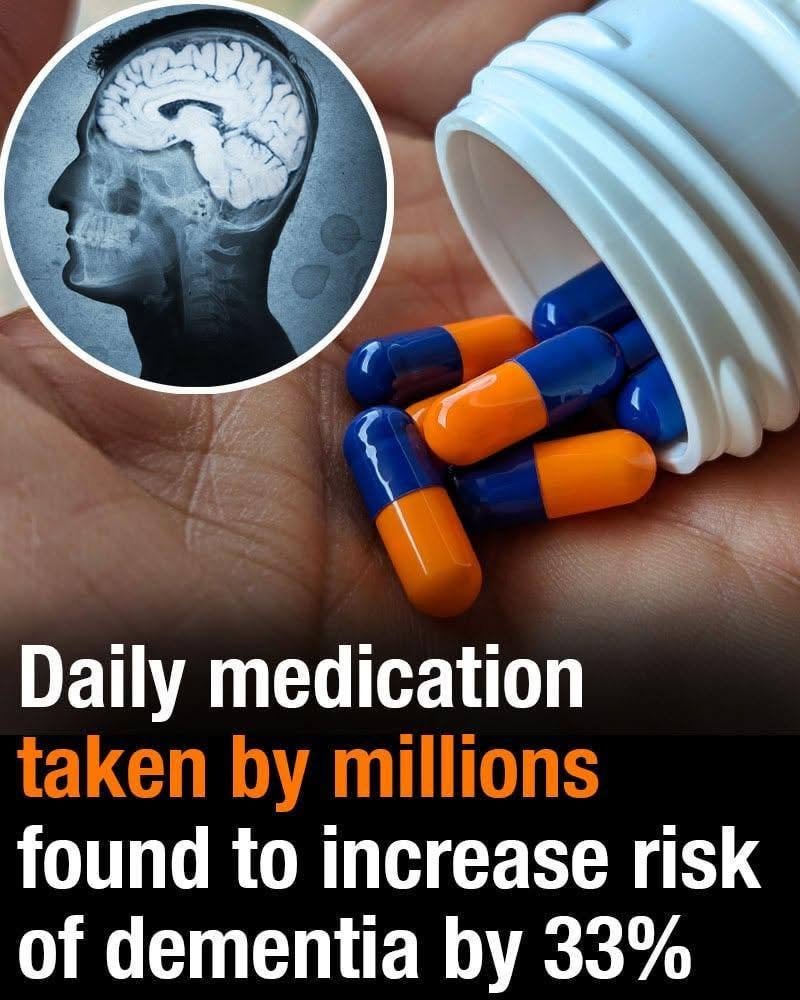
When health headlines flash terrifying warnings like “Millions take this medication daily – now researchers say it may be linked to dementia,” they are using classic fear-mongering clickbait. They want you to panic, throw away your prescriptions, and question every medication you trust.
Usually, these sensationalized articles are referring to a widely prescribed class of drugs called anticholinergics (which include certain common allergy medications like diphenhydramine, older antidepressants, and bladder control drugs).
Understanding what the research actually says—and separating sensationalized media spin from clinical reality—puts these headlines into proper perspective.
What the Research Actually Says
Observational and epidemiological studies have noted a statistical association between long-term, cumulative use of strong anticholinergic medications and a slightly elevated risk of cognitive decline or dementia later in life.
However, in science, association does not equal direct causation:
-
Cumulative Exposure vs. Casual Use: The risk identified in studies is typically tied to long-term, heavy, daily use over many years (often looking at older adults taking high doses of strong anticholinergic drugs). Popping an occasional allergy pill when pollen counts spike does not trigger sudden neurological decay.
-
Correlation vs. Causation: Researchers often struggle with “reverse causality.” For instance, early, undiagnosed symptoms of cognitive changes or depression can sometimes prompt people to take medications that happen to be anticholinergics before a dementia diagnosis is formally made.
What Clickbait Headlines Get Dangerously Wrong
Sensationalized wellness blogs love to twist complex pharmacological data into dramatic horror stories:
-
Lumping All “Medications” Together: Clickbait often implies that all daily medications—from blood pressure pills and statins to diabetes treatments—are secretly rotting your brain. This is entirely false. The concerns are specific to a narrow class of drugs with strong anticholinergic properties.
-
Ignoring Risk-Benefit Realities: Stopping a vital, life-prolonging medication out of panic because of an internet headline is infinitely more dangerous than the long-term, statistical risk highlighted in observational studies.
How to Navigate Your Medications Safely
If you take daily medications and feel anxious after reading sensational headlines, the solution is simple, proactive communication:
-
Review Your Regimen: Talk to your primary care physician or pharmacist. Ask them to review your current medications (including over-the-counter sleep aids, allergy meds, and supplements) to see if any have strong anticholinergic properties.
-
Explore Non-Drug Alternatives: If you take a daily medication for a minor chronic issue (like mild seasonal allergies or occasional sleep trouble), your doctor can often help you explore non-pharmacological management strategies.
-
Never Stop Prescriptions on Your Own: If you take a medication prescribed for a chronic condition (such as blood pressure, mood stabilization, or neurological health), never stop taking it abruptly based on news articles.
The Bottom Line
Don’t let sensational headlines drive your healthcare decisions. While long-term use of certain specific drug classes warrants thoughtful medical oversight, routine medications prescribed by your doctor remain vital tools for your health and daily well-being.
