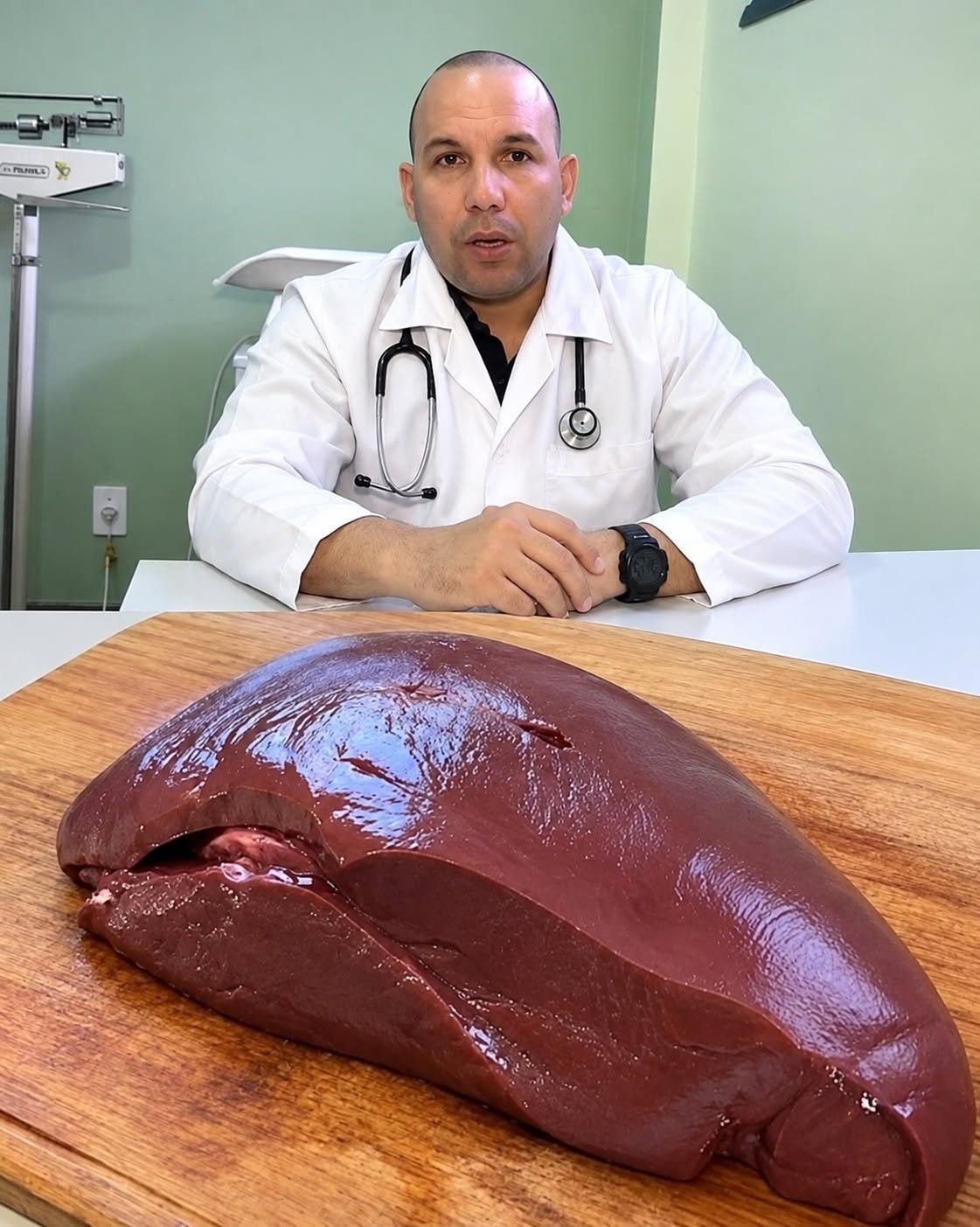
When wellness feeds, alternative health blogs, or sensationalized video thumbnails tease headlines like “Doctors reveal that eating beef liver can cause…” they are capitalizing on two extreme camps: the hyper-enthusiastic “carnivore diet” influencers who treat beef liver as a magical, raw superfood, and alarmist clickbait that tries to convince you a single bite will poison you.
In clinical reality, beef liver is an exceptionally nutrient-dense organ meat, but treating it either as a daily cure-all or a toxic hazard requires a balanced, evidence-based perspective.
What the Internet Hype Gets Wrong
-
The “Infinite Superfood” Fallacy: Some wellness spaces claim that eating massive amounts of liver daily will cure fatigue, build superhuman muscle, and clear your skin.
-
The “Instant Toxicity” Scare: On the flip side, alarmist headlines suggest that eating liver is a fast track to poisoning yourself. While overconsumption can lead to genuine medical issues (detailed below), enjoying beef liver occasionally in moderation is entirely safe for most people.
What Doctors Actually Warn About (The Real Risks)
Because the liver is the body’s metabolic clearinghouse and storage organ for many nutrients, it concentrates certain compounds to levels far higher than regular muscle cuts of meat:
-
Vitamin A Toxicity (Hypervitaminosis A): Unlike water-soluble vitamins, excess preformed vitamin A (retinol) is stored in the liver and can accumulate to toxic levels if consumed in massive quantities over time. Chronic vitamin A toxicity can cause severe headaches, dizziness, nausea, joint pain, hair loss, and in severe cases, liver damage or increased intracranial pressure. Pregnant individuals must be especially cautious, as high levels of preformed vitamin A are teratogenic (can cause birth defects).
-
Excess Dietary Cholesterol and Purines: Liver is very high in dietary cholesterol and purines. For individuals managing gout or severe hyperlipidemia, eating large quantities of organ meats can trigger painful gout flares or negatively impact lipid panels.
-
Iron Overload: Beef liver is intensely rich in heme iron. While great for someone with iron-deficiency anemia, individuals with hereditary hemochromatosis (a genetic condition causing excess iron absorption) must strictly limit organ meats to prevent dangerous iron buildup in organs.
The Clinical Perspective on Eating Beef Liver
You do not need to fear beef liver, nor do you need to eat it every day.
-
Moderation is Key: In traditional culinary contexts, liver is consumed as an occasional treat (e.g., once every week or two) rather than a primary daily protein source. This allows you to reap its dense nutritional benefits—such as B12, copper, iron, and preformed vitamin A—without risking nutrient toxicity.
-
Talk to Your Doctor: If you have underlying metabolic conditions, gout, liver disease, or if you are pregnant, consult your healthcare provider before adding concentrated organ meats or high-dose liver supplements to your routine.
The Bottom Line
Beef liver is a nutrient powerhouse, but like many things in nutrition, the “poison is in the dose.” Enjoying it occasionally as part of a balanced diet is safe and nutritious; treating it like an unlimited daily supplement can lead to vitamin overload.
