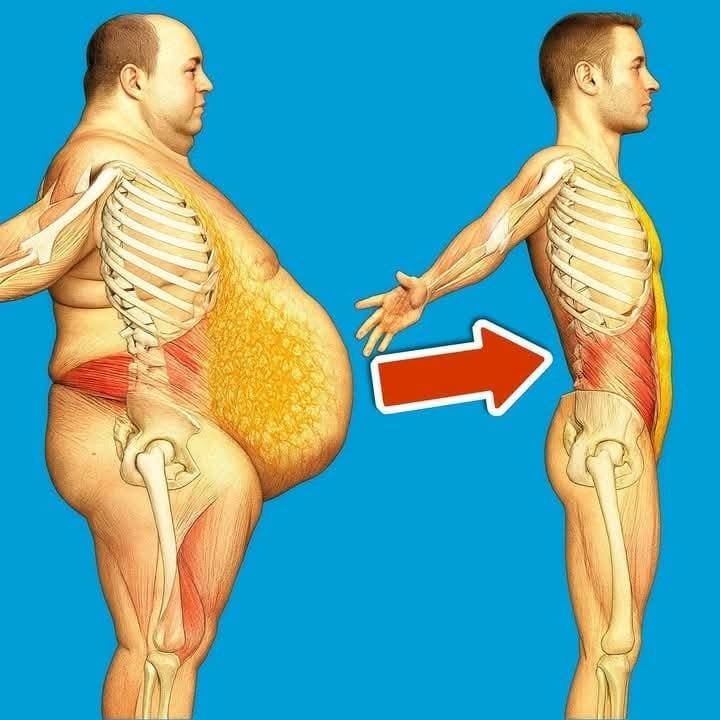
When social media feeds and weight-loss blogs promise that “Just 1 glass each morning and your belly fat will melt away,” they are capitalizing on one of the most persistent and lucrative myths in the wellness industry: the desire for a zero-effort, single-ingredient shortcut to spot-reduction.
Whether it is warm lemon water, apple cider vinegar, a bizarre spice concoction, or a pricey green powder, internet marketing loves to frame a morning beverage as a magical metabolic blowtorch.
What the “Melt Belly Fat” Myth Gets Wrong
Sensationalized weight-loss claims fly in the face of basic human physiology and thermodynamics:
-
The Spot-Reduction Fallacy: You cannot choose where your body burns fat. When you lose body fat through a sustained caloric deficit, your body mobilizes fat stores systemically from all over your frame based on genetics, hormones, and sex—not because a specific liquid washed over your stomach lining.
-
The “Metabolic Booster” Exaggeration: While certain ingredients like caffeine can cause a microscopic, temporary spike in your metabolic rate, it is nowhere near enough to “melt away” adipose tissue without changes to your overall energy balance.
What These Morning Tonics Actually Do
Most viral morning fat-loss drinks rely on simple, harmless ingredients (or aggressive laxatives):
-
Hydration and Satiety: Drinking a large glass of water first thing in the morning fills your stomach, which can temporarily curb morning appetite or prevent you from mistaking thirst for hunger.
-
Temporary Water Weight Shifts: Drinks packed with lemon, ginger, or apple cider vinegar are often touted for “reducing bloat.” While they may aid digestion or act as mild diuretics, shedding water weight is entirely different from burning visceral or subcutaneous belly fat.
What Actually Reduces Belly Fat
If you want to reduce belly fat (specifically metabolically active visceral fat stored around your abdominal organs), evidence-based lifestyle changes are the only proven path:
-
Sustained Caloric Balance: Fat loss requires consuming fewer calories than your body expends over time, forcing it to draw on stored fat for energy.
-
Resistance Training and Protein Intake: Lifting weights or engaging in bodyweight resistance exercises helps preserve or build lean muscle mass, while adequate protein keeps you full and supports a healthy metabolism.
-
Sleep and Stress Management: Chronic high stress releases cortisol, a hormone strongly associated with increased visceral fat storage around the abdomen. Prioritizing quality sleep and stress reduction directly supports healthy body composition.
The Bottom Line
Enjoy a glass of water, tea, or lemon water in the morning if it makes you feel refreshed and kick-starts a healthy routine. Just know that no single morning drink can melt away belly fat—sustainable body composition changes require consistent nutrition, movement, and patience.
