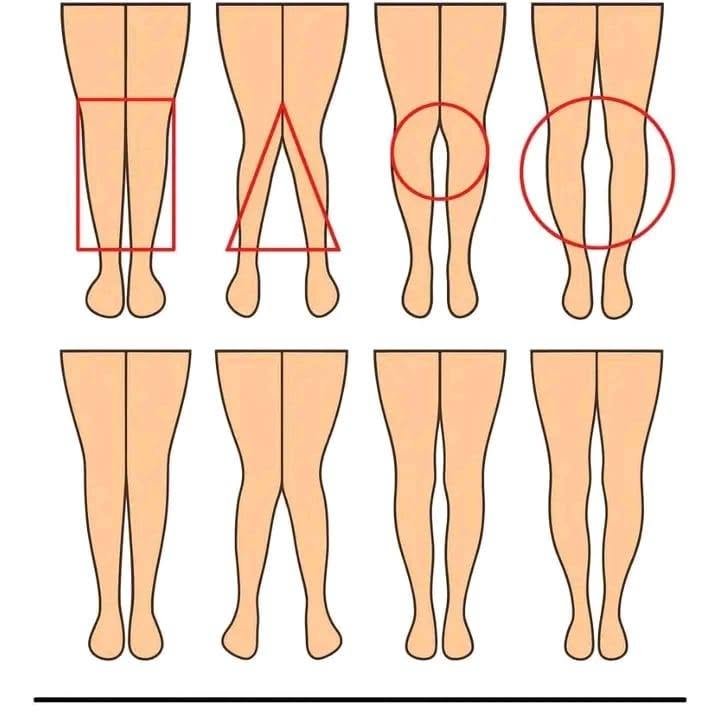
When viral wellness blogs and clickbait feeds flash dramatic headlines like “A Woman’s Legs Can Tell How Her Health Is,” they typically oscillate between two extremes: pseudoscientific “leg shape personality tests” that claim your bone structure dictates your destiny, or alarmist medical hooks designed to scare you into believing every minor ache is a hidden catastrophe.
While legs certainly don’t reveal your hidden personality traits or emotional state, they are a remarkably informative window into your overall vascular and circulatory health.
What Clickbait “Leg Health” Myths Get Wrong
-
The “Mystical Diagnosis” Fallacy: Clickbait articles love to treat physical traits as cryptic codes that require an exclusive internet quiz to decode, ignoring actual clinical diagnostic criteria.
-
Sensationalizing Normal Variations: These guides often take common, benign physical features or normal aging changes and frame them as alarming signs of systemic failure to drive panic and clicks.
The Clinical Reality: What Your Legs Actually Reveal
Physicians, vascular specialists, and cardiologists regularly examine the lower extremities because changes in the legs can reflect broader systemic and circulatory conditions. Key clinical indicators include:
-
Peripheral Artery Disease (PAD): When fatty plaque builds up in the arteries (atherosclerosis), blood flow to the limbs is restricted. In clinical settings, unexplained leg cramping, fatigue, aching, or pain in the calves or thighs that triggers during physical activity and resolves with rest (known as intermittent claudication) can be an early warning sign of compromised arterial health.
-
Chronic Venous Insufficiency (CVI): Veins rely on tiny, one-way valves to push blood back up toward the heart against gravity. When these valves weaken, blood can pool in the lower legs. This manifests as visible varicose veins, a persistent heavy or aching sensation in the calves, and skin discoloration or texture changes around the ankles.
-
Edema (Fluid Retention): Persistent swelling in both ankles and feet is a common physiological signal. While it can simply result from standing for long hours, high salt intake, or hormonal shifts, symmetrical swelling can also point to underlying strain on the heart, kidneys, or liver, or serve as a side effect of certain medications.
-
Deep Vein Thrombosis (DVT): A more acute vascular concern, a blood clot in a deep vein (usually in one leg) can cause sudden localized swelling, pain, tenderness, warmth, and redness. Unlike generalized swelling, DVT typically affects a single limb and requires immediate medical evaluation.
When to Seek Medical Evaluation
Everyday muscle soreness from a workout or temporary swelling from a long airplane flight is normal. However, you should consult a healthcare professional if you experience:
-
Persistent, one-sided leg swelling accompanied by pain or warmth.
-
Cramping or pain in your legs that consistently occurs when walking and goes away with rest.
-
Non-healing sores, ulcers, or distinct skin discoloration on your lower legs or feet.
The Bottom Line
Your legs aren’t magical fortune-tellers, but they do offer honest physical feedback about your circulation, vascular integrity, and fluid balance. Skip the internet quizzes and listen to what your body is actually telling you through persistent physical symptoms.
