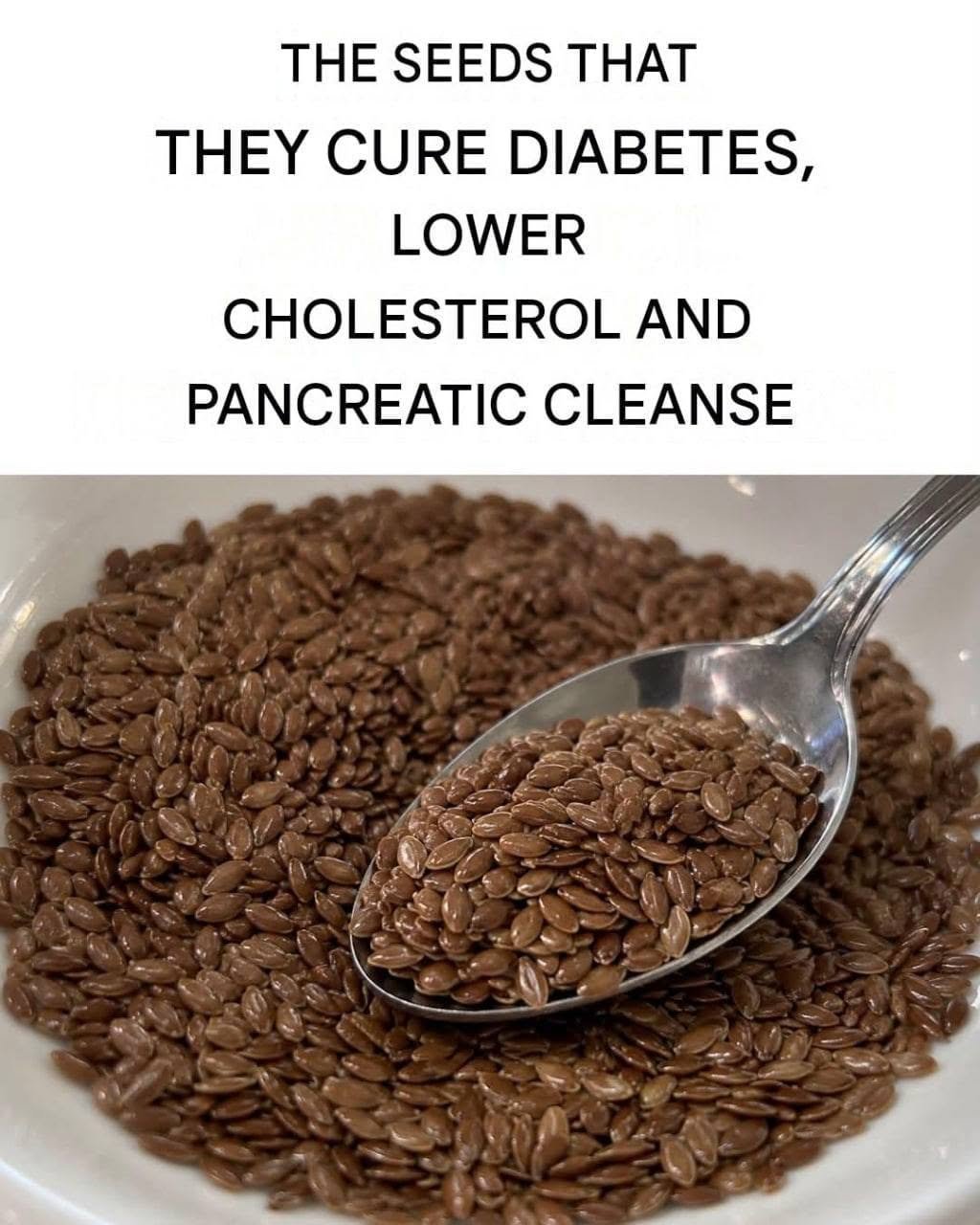
When viral health videos and breathless social media headlines scream promises like “The Seeds That Cure Diabetes, Lower Cholesterol, and Pancreatic Cleanse,” they are capitalizing on the ultimate clickbait formula: taking genuinely nutritious whole foods and inflating them into miraculous medical cures and organ flushes.
While tiny seeds like flax, chia, pumpkin, and sesame are nutritional powerhouses, framing them as a magical shortcut to reverse complex chronic diseases or “scrub” your internal organs misrepresents both human physiology and nutritional science.
What Clickbait “Seed Miracles” Get Wrong
-
The “Pancreatic Cleanse” Fallacy: Clickbait titles frequently talk about the pancreas as if it were a dirty kitchen filter that accumulates toxic sludge and needs an aggressive “seed flush” to reset. In reality, your pancreas is a vital gland that secretes digestive enzymes and insulin; it does not trap household toxins or accumulate metabolic residue that requires washing out.
-
Conflating Dietary Support with a “Cure”: Marketing hype treats a handful of seeds like an overnight pharmaceutical intervention that can completely cure type 2 diabetes or wipe out high cholesterol, ignoring the complex genetic, environmental, and metabolic factors driving these conditions.
The Clinical Reality: What Seeds Actually Do for Your Body
While seeds won’t magically “cure” a disease or cleanse an organ, modern nutritional science and endocrinology do recognize them as valuable functional foods. Their real-world benefits operate through standard, measurable physiological pathways:
-
Fiber-Mediated Blood Sugar Control: Seeds like chia, flax, and psyllium are exceptionally rich in soluble fiber. When consumed, this fiber forms a gel-like consistency in the digestive tract, which slows down the rate at which carbohydrates are broken down and absorbed. This prevents sharp postprandial (post-meal) glucose spikes, helping with overall glycemic management.
-
Lipid and Cholesterol Regulation: Soluble fiber binds to bile acids in the gut, prompting the liver to use up circulating cholesterol to produce more bile. Additionally, plant sterols and healthy omega-3 fatty acids (like alpha-linolenic acid found in flax and chia) support cardiovascular health and help optimize LDL cholesterol levels over time.
-
Magnesium and Insulin Sensitivity: Many seeds (such as pumpkin and sunflower seeds) are packed with magnesium, a crucial mineral that plays a supporting role in cellular glucose metabolism and insulin receptor function.
Who Actually Manages Your Body’s “Cleansing”?
You don’t need a seed elixir to detoxify your system. Your body is equipped with sophisticated, 24/7 internal filtration systems:
-
The Liver: Metabolizes and neutralizes waste products, medications, and byproducts of digestion.
-
The Kidneys: Filter metabolic waste from the bloodstream and excrete it via urine.
-
The Gastrointestinal Tract: Manages waste elimination through regular bowel movements, supported by dietary fiber from whole foods like seeds, vegetables, and whole grains.
The Bottom Line
Sprinkling chia, flax, or pumpkin seeds onto your yogurt, salads, or oatmeal is a fantastic, heart-healthy habit that supports stable blood sugar and provides essential nutrients. Enjoy them as part of a balanced, evidence-based diet—just don’t expect them to act as a miracle cure or a plumbing service for your pancreas.
