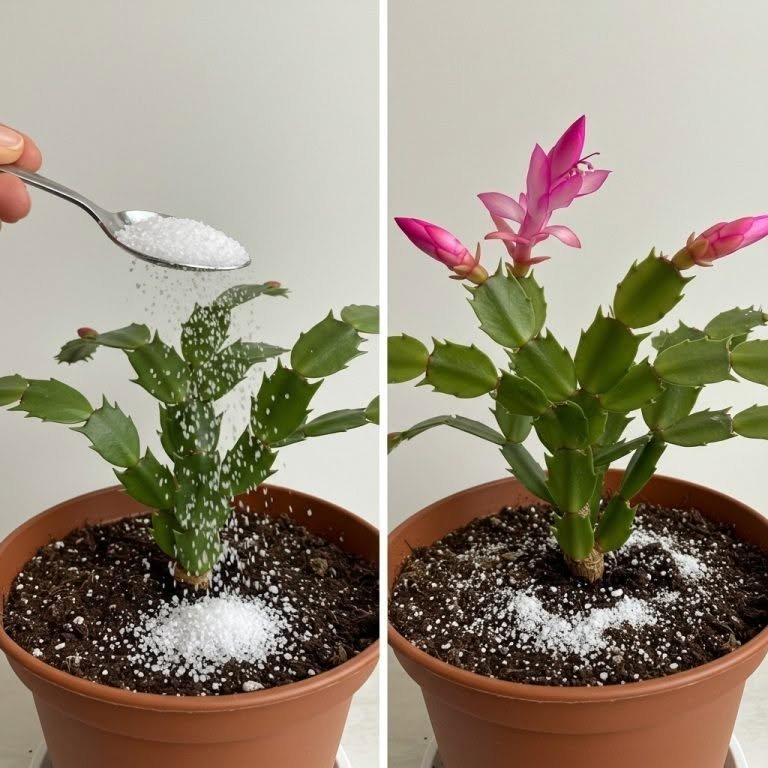
When viral gardening videos and lifestyle blogs tease a “Fall Awakening” with a “little secret” to instantly breathe life back into house plants—usually promising that burying banana peels, wiping leaves with milk, or pouring bizarre pantry concoctions into your soil will work wonders—they rely on the satisfying theater of a magic bullet rather than actual plant biology.
While these dramatic hooks make for engaging short-form video content, they frequently lead to root rot, pest infestations, and frustrated plant owners.
What Clickbait “Plant Secret” Hacks Get Wrong
-
The “Instant Nutrient” Fallacy: Viral internet tricks often suggest burying organic scraps (like eggshells or coffee grounds) directly in the pot. In reality, raw kitchen waste cannot be used by a plant until it is completely broken down by soil microbes—a process that happens slowly outdoors, but indoors often just attracts fungus gnats and mold.
-
Misinterpreting Natural Seasonal Changes: Clickbait treats a houseplant’s natural autumn slowing down as a sudden emergency that requires an immediate, mysterious intervention, ignoring the basic rhythms of plant physiology.
The Botanical Reality: Why Houseplants Change in Autumn
Horticulturists and botanists look at indoor plant health through the lens of environmental shifts. As autumn arrives, two major factors alter your home’s ecosystem:
-
Reduced Photoperiod and Light Intensity: The angle of the sun shifts, and daylight hours shrink dramatically. Because light is the engine plants use to photosynthesize and generate energy, their metabolic rate naturally slows down.
-
Indoor Heating and Humidity Drops: Turning on home heating systems creates a warm, arid microclimate that rapidly dries out soil surfaces while reducing ambient humidity, which stresses tropical foliage.
Evidence-Based Adjustments for Autumn Plant Care
You don’t need a secret kitchen elixir to keep your plants thriving through the cooler months. Real botanical care relies on a few straightforward adjustments:
-
Adjust Your Watering Cadence: Because lower light and cooler temperatures mean plants consume water more slowly, soil stays wet significantly longer. Sticking rigidly to a summer watering schedule invites root rot. Always check moisture levels a couple of inches down into the soil before watering.
-
Optimize Available Light: Move light-loving indoor plants closer to windows to compensate for shorter, weaker days. Wipe dust gently from broad leaves with a damp microfiber cloth so they can absorb every possible photon of light.
-
Ease Up on Fertilizer: Since your plants are entering a period of slowed growth or rest, they aren’t utilizing heavy nutrients. Suspend heavy fertilization during late autumn and winter to prevent salt buildup in the soil from burning sensitive roots.
-
Shield from Drafts and Vents: Keep tropical houseplants away from sudden cold drafts from opening doors or dry blasts from heating vents, which can shock foliage and trigger premature leaf drop.
The Bottom Line
There is no hidden pantry secret that overrides the laws of botany. Keeping your indoor plants healthy through the seasons comes down to respecting their natural light and watering needs, not chasing viral gimmick hacks.
