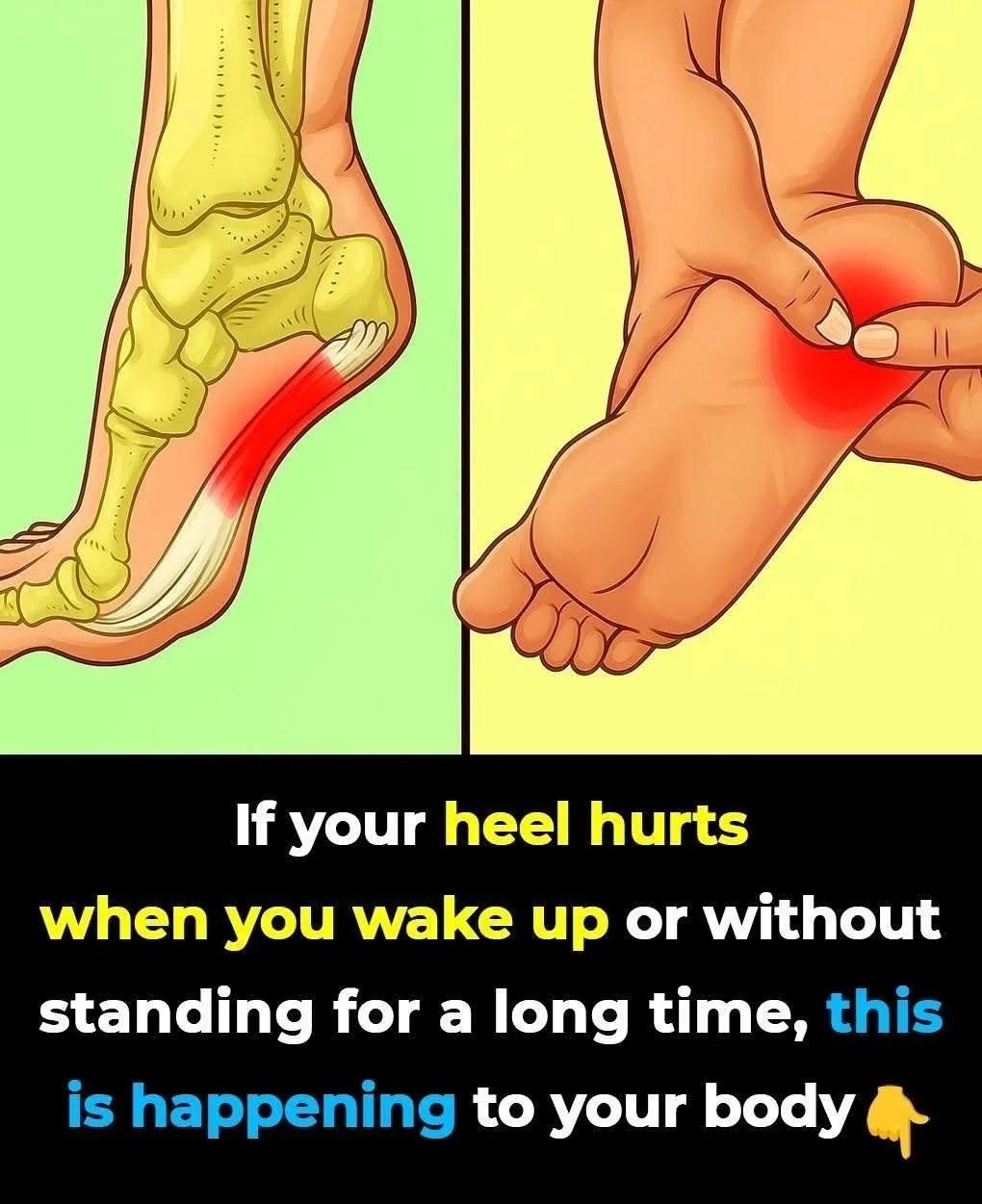
When lifestyle blogs and viral wellness videos tease headlines like “Why Your Heel Hurts in the Morning: Understanding the Hidden Causes of Heel Pain,” they often wrap a very common orthopedic condition in unnecessary mystery. By framing sharp morning discomfort as an exotic ailment or teasing a “secret bedtime stretch that cures all foot pain,” these pieces trade clear biomechanics for clickbait drama.
In podiatry and sports medicine, morning heel pain is a well-understood physiological phenomenon driven by tissue mechanics and overnight healing patterns.
What Clickbait “Heel Pain” Claims Get Wrong
-
The “Mysterious Disease” Fallacy: Sensationalized articles often try to scare readers into thinking morning heel pain is an indicator of systemic internal organ failure or a bizarre medical anomaly, ignoring standard musculoskeletal anatomy.
-
The “Instant Overnight Miracle” Trap: Content pieces frequently market unverified magnetic insoles, vibrating foot pads, or weird patches as instant cures, bypassing the fundamental need for mechanical rest and tissue rehabilitation.
The Clinical Reality: Why Your First Steps Hurt So Much
Podiatrists and orthopedic specialists look at morning heel pain through the lens of structural strain and tissue recovery:
-
Plantar Fasciitis (The Leading Cause): The plantar fascia is a thick band of connective tissue running across the bottom of your foot, connecting your heel bone to your toes. Throughout the day, it absorbs tremendous mechanical stress. While you sleep, your foot naturally rests in a pointed position (plantar flexion), which allows the plantar fascia to shorten and relax.
-
The “First-Step” Micro-Tear Phenomenon: When you wake up and place your foot flat on the floor for your first steps, that shortened plantar fascia is suddenly and forcibly stretched out. Because the tissue has begun to heal in a shortened, contracted state overnight, that sudden tension pulls sharply on its attachment point at the heel bone, causing the characteristic stabbing pain. As you walk around and the tissue warms up, the fascia stretches out, which is why the pain often dulls as the day goes on.
-
Achilles Tendinitis or Heel Bursitis: Pain centered at the back or very bottom-back of the heel can also stem from inflammation of the Achilles tendon or the fluid-filled sac (bursa) that cushions it. Like the plantar fascia, these structures stiffen up during prolonged periods of inactivity, leading to morning stiffness.
Evidence-Based Approaches to Managing Heel Pain
Instead of chasing gimmicks or suffering through daily morning agony, evidence-based orthopedic care focuses on mechanical support and targeted rehabilitation:
-
Gentle Morning Stretches Before Standing: Before putting weight on your foot in the morning, perform seated calf stretches or gently pull your toes back toward your shin to pre-stretch the plantar fascia and reduce sudden tearing tension.
-
Supportive Footwear: Avoid walking barefoot on hard indoor flooring, which forces the foot to absorb full impact without arch support. Wear supportive house slippers or shoes with firm midsoles.
-
Professional Podiatric Evaluation: If heel pain persists for more than a few weeks, consult a podiatrist or physical therapist. They can recommend custom orthotics, night splints that keep the foot flexed during sleep, or targeted physical therapy exercises to strengthen the lower leg and foot muscles.
