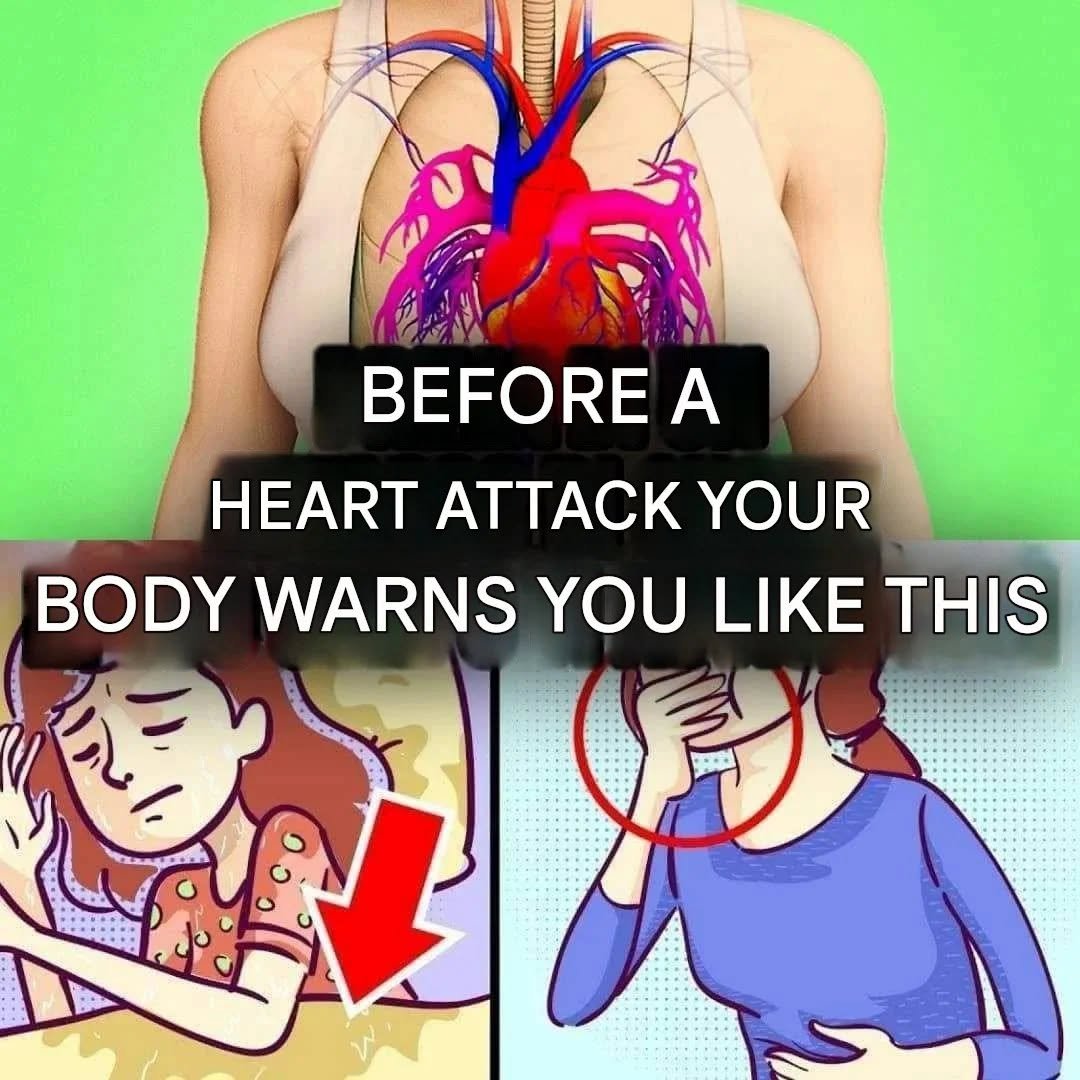
When online content creators package life-threatening medical emergencies into clickbait listicles tagged with pagination like “Here are 8 heart attack symptoms you shouldn’t ignore! (1 / 2)”, they cross a serious ethical line. Turning time-sensitive cardiovascular trauma into an ad-driven slide show sacrifices patient safety and clinical clarity for engagement metrics.
What Clickbait “Heart Attack” Slideshows Get Wrong
-
The Pagination Danger Trap: Splitting critical, time-sensitive medical information across multiple pages introduces potentially lethal delays if someone experiencing acute symptoms is forced to click through advertisements just to find actionable guidance.
-
Blurring the Line Between Noise and Red Flags: Sensationalized listicles often lump unmistakable cardiac emergencies together with vague, everyday sensations (like mild fatigue or muscle stiffness), either terrifying healthy readers or causing people to second-guess true emergencies.
The Clinical Reality: How Cardiologists Understand Myocardial Infarction
Cardiologists and emergency physicians evaluate acute coronary syndromes through established physiological mechanisms. When atherosclerotic plaque ruptures and a coronary artery becomes blocked, the corresponding section of the heart muscle is starved of oxygen (mychemia/ischemia). The body signals this metabolic distress through specific neurological and circulatory pathways:
-
Central Ischemic Chest Pressure: The hallmark presentation is a heavy, crushing, squeezing, or tight sensation in the center or left side of the chest.
-
Referred Neural Pathways (Radiation): Because visceral pain fibers from the heart share spinal cord pathways with the upper body, cardiac pain frequently radiates outward to the left arm, jaw, neck, upper back, or epigastric region.
-
Autonomic Nervous System Activation: A major cardiac event triggers a massive sympathetic “fight-or-flight” response, frequently resulting in acute diaphoresis (cold, clammy sweats), sudden nausea, vomiting, or profound lightheadedness.
-
Acute Dyspnea: When the myocardium cannot pump effectively, blood backs up into the pulmonary vasculature, causing sudden, unexplained shortness of breath even at rest.
Atypical Presentations and Vulnerable Populations
Clinicians are trained to recognize that not everyone experiences a textbook, dramatic presentation:
-
Populations with Atypical Signs: Women, older adults, and individuals with diabetes or neuropathy are statistically more likely to experience “silent” or atypical myocardial infarctions.
-
Subtle Indicators: In these groups, the primary warning signs may not be crushing chest pressure at all, but rather sudden, overwhelming fatigue, unexplained indigestion, or acute weakness. This clinical complexity is precisely why reducing emergency triage to a generic internet slideshow is so hazardous.
Evidence-Based Emergency Action
If you or someone nearby ever experiences symptoms suggestive of a cardiac event, do not search for the next page of an internet article.
-
Recognize the Urgency: If severe chest pressure, acute shortness of breath, sudden sweating, or radiation into the jaw or arm occurs, time is muscle.
-
Call Emergency Services Immediately: Dial your local emergency number (such as 911) right away. Paramedics can initiate diagnostic electrocardiogram (ECG) testing and life-saving interventions while en route to a hospital.
