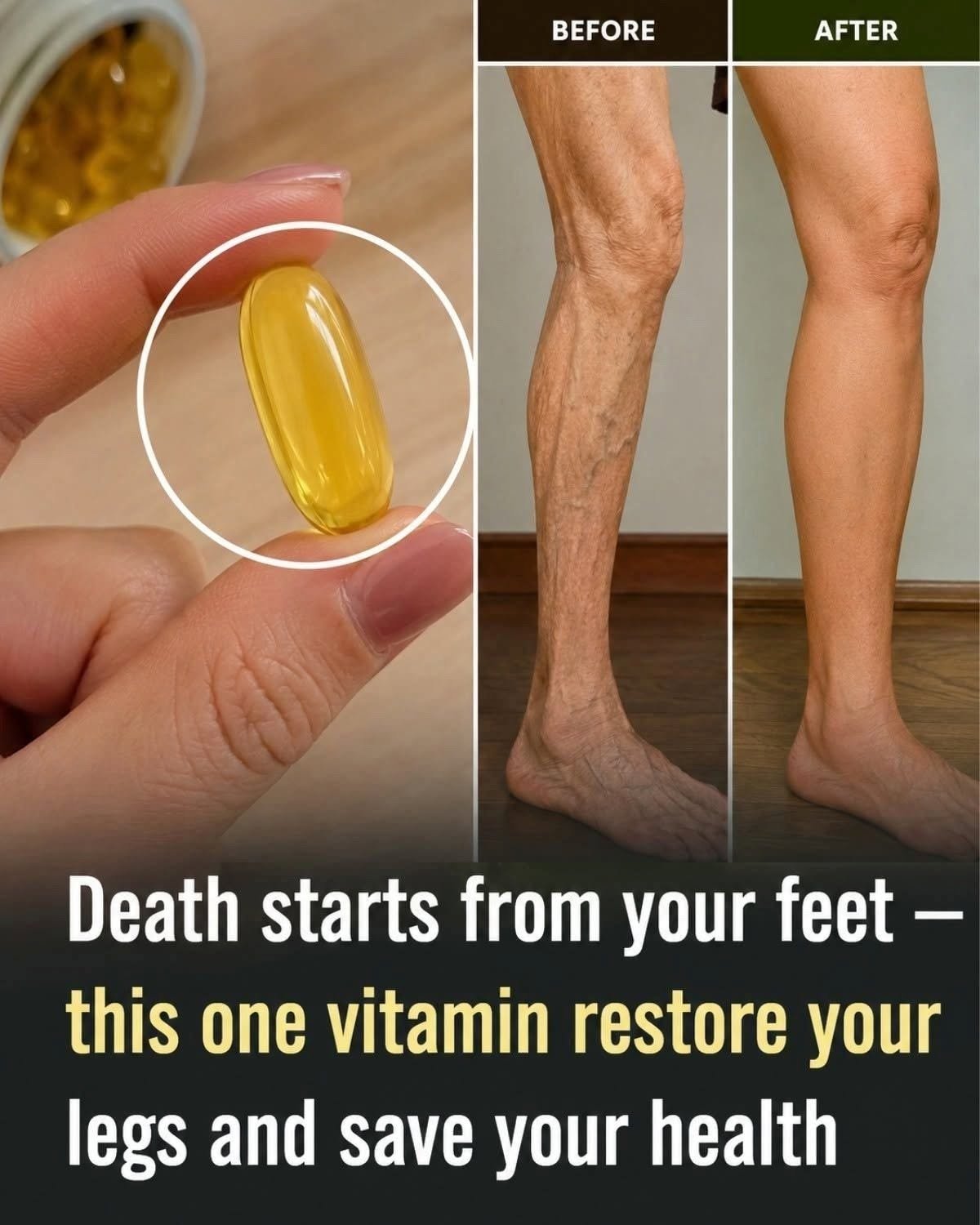
When health blogs and viral wellness ads flash dramatic titles like “The Best Vitamin for Your Legs: What Dead Feet and Heavy Calves Are Missing,” they rely on a classic hook: taking distinct physical sensations and packaging them as the symptom of a single, easily corrected nutritional oversight. By promising that one specific vitamin will instantly cure numbness or fatigue, these articles trade clinical precision for click-through engagement.
What Clickbait “Leg Vitamin” Claims Get Wrong
-
The “Magic Pill for Everything” Fallacy: Clickbait posts treat complex neurological and circulatory symptoms as if they stem from a single dietary gap, ignoring the reality that lower limb sensations can arise from dozens of entirely different medical causes.
-
Oversimplifying Systemic Signals: Sensationalized pieces often prescribe a one-size-fits-all supplement routine without considering whether a person’s body can even absorb nutrients properly, or if an entirely different underlying condition is at play.
The Clinical Reality: Decoding “Dead Feet” and “Heavy Calves”
Physicians, neurologists, and vascular specialists approach lower limb symptoms by investigating the specific biological systems involved:
-
“Dead Feet” and Peripheral Nerve Health (Vitamin B12’s Actual Role)
-
The Mechanism: When people describe feet that feel numb, tingling, or “dead” (a sensation known medically as paresthesia), it often points to peripheral nerve irritation or damage. Vitamin B12 is genuinely vital here: it plays a central role in maintaining the myelin sheath, the protective insulation surrounding nerve fibers that allows electrical signals to travel efficiently.
-
The Catch: While a severe B12 deficiency can indeed cause nerve damage and numbness in the lower extremities, dead feet can just as easily be caused by localized nerve compression (like a pinched nerve in the lumbar spine), long-standing metabolic shifts like diabetes, or localized circulatory issues—meaning a vitamin supplement alone will not fix an unrelated structural problem.
-
-
“Heavy Calves” and Circulatory Dynamics
-
The Mechanism: Feeling like your calves are filled with lead or heavily fatigued is rarely a simple vitamin issue. Instead, “heavy calves” are frequently a hallmark of chronic venous insufficiency (where vein valves struggle to pump blood back up toward the heart against gravity) or peripheral artery disease (PAD), which restricts oxygen-rich blood flow to working muscles during activity.
-
Evidence-Based Approaches to Lower Limb Care
Instead of self-diagnosing with internet checklists or buying unverified supplements based on catchy headlines, proper medical evaluation relies on clear diagnostic steps:
-
Test, Don’t Guess: If you experience persistent numbness, tingling, or unexplained weakness in your legs, ask your physician to run targeted blood work—such as checking your Vitamin B12, folate, iron panels, and blood glucose—to rule out true nutritional or metabolic deficits.
-
Evaluate Circulation and Structure: Persistent heaviness or cramping warrants a proper physical examination to assess blood flow, check for venous pooling, or evaluate spinal alignment.
-
Partner with Professionals: Address any chronic lower limb changes with your primary care provider, neurologist, or vascular specialist to ensure you receive a precise diagnosis rather than a generalized internet remedy.
