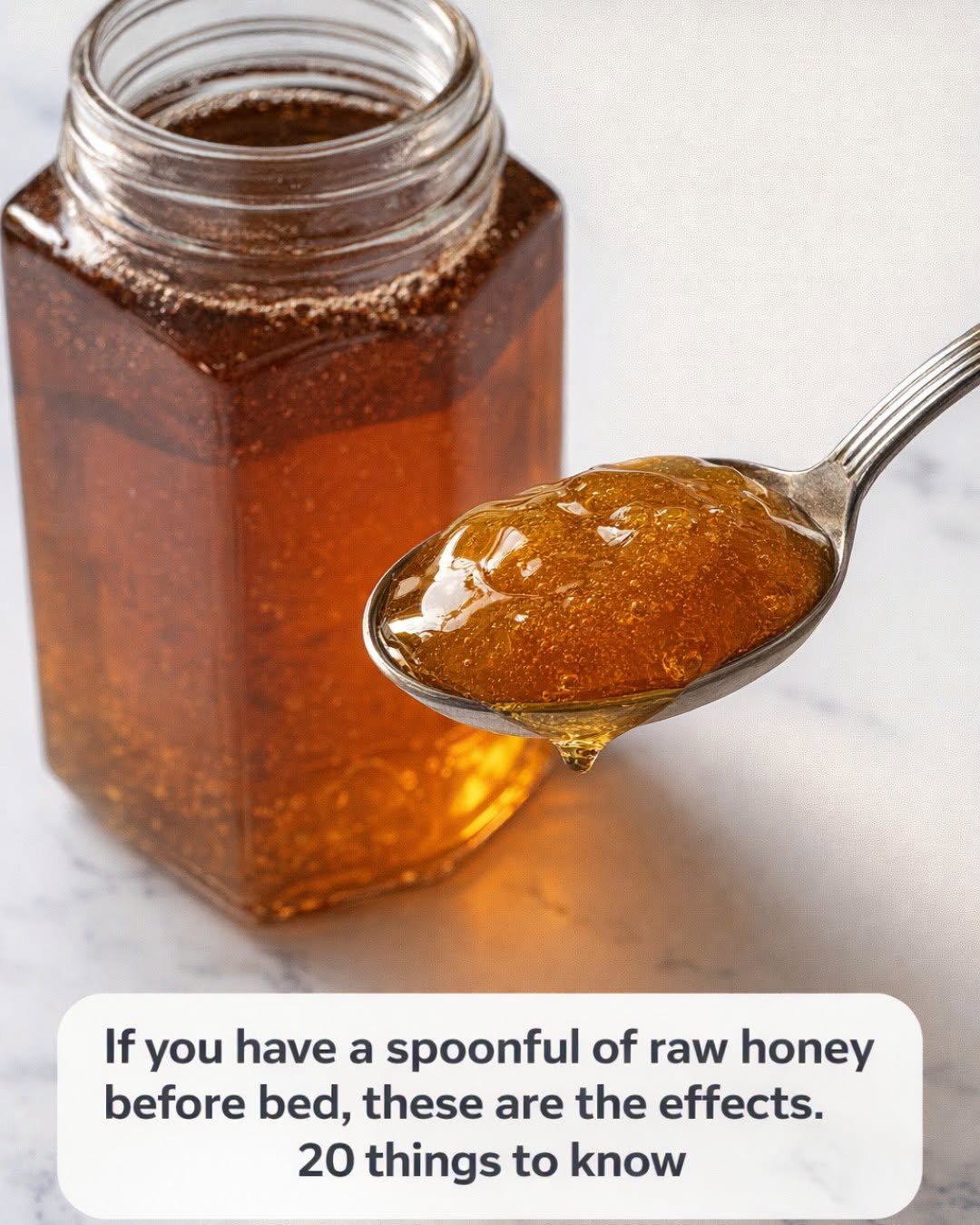
When wellness blogs and viral listicles promise that “If you have a spoonful of raw honey before bed, these are the effects. 20 things to know,” they wrap an ordinary kitchen sweetener in an elaborate web of exaggerated health claims. By turning a simple carbohydrate into a multi-point countdown of miraculous cures—ranging from overnight fat-burning to curing chronic insomnia—these articles trade nutritional reality for clickbait engagement.
What Clickbait “Bedtime Honey” Lists Get Wrong
-
The “Weight-Loss Miracle” Fallacy: Sensationalized posts frequently claim that eating pure sugar right before sleep mysteriously torches belly fat overnight, ignoring basic energy balance and caloric intake.
-
Treating a Food Like a Pharmaceuticals: Content pieces often frame honey as an active sleep-inducing sedative, attributing pharmacological properties to it that far exceed its actual biochemical role as a dense source of simple sugars.
The Physiological Reality: What Honey Actually Does in the Body
Nutrition scientists and medical professionals view honey as what it is: a concentrated mixture of simple carbohydrates (primarily fructose and glucose) accompanied by trace antioxidants and enzymes. When consumed in modest amounts, it interacts with human metabolism in a few specific ways:
-
Hepatic Glycogen Support:During sleep, the brain continues to consume energy, relying heavily on glucose released by the liver from stored glycogen. Toward the end of the night, if those liver stores deplete, the body can trigger a minor stress response—releasing cortisol and adrenaline to mobilize stored energy, which can sometimes cause an early-morning awakening. A small dose of honey provides a balanced ratio of fructose and glucose that is efficiently taken up by the liver, helping sustain stable glycogen levels overnight.
-
Throat-Soothing Demulcent Properties: While honey doesn’t act as a chemical sleep aid, it is an effective demulcent (a substance that forms a soothing film over mucous membranes). Clinical studies have shown that a small spoonful of honey can help quiet nocturnal upper respiratory irritation and coughing just as effectively as some over-the-counter cough syrups, which indirectly improves sleep quality when a minor cold is present.
Important Clinical Caveats and Safety Boundaries
Before adding a nightly spoonful of honey to your routine, several critical health considerations apply:
-
The Infant Botulism Risk: Never give honey of any kind (raw or processed) to infants under 12 months old. Their immature digestive systems cannot neutralize spores of Clostridium botulinum, which can cause infant botulism, a rare but severe paralytic illness.
-
Metabolic and Glycemic Impact: Honey is still sugar. A single tablespoon contains roughly 17 grams of carbohydrates and about 64 calories. For individuals managing diabetes or insulin resistance, eating honey before bed will raise blood glucose levels and must be accounted for within a structured dietary plan.
-
Dental Health: Consuming sticky, sugary foods right before bed—especially if you do not brush your teeth afterward—greatly increases the risk of enamel erosion and dental caries.
Evidence-Based Takeaway
If you enjoy a teaspoon of honey in a cup of herbal tea before bed, it can be a comforting part of a relaxing wind-down routine. However, it is a culinary ingredient, not a medical treatment for sleep disorders, and it requires mindful moderation to protect your metabolic and dental health.
