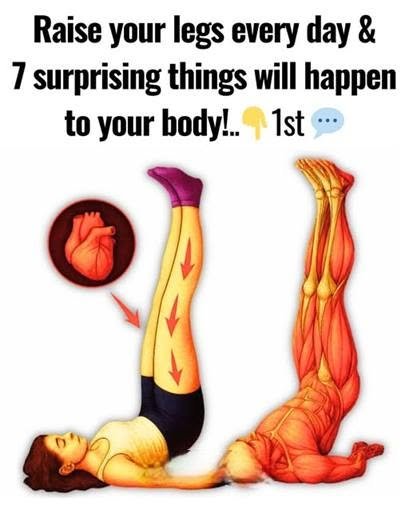
When wellness blogs and viral social media reels flash sensationalized headlines like “Raise your legs every day & 7 surprising things will happen to your body!”, they wrap a simple, time-tested physical posture in a web of exaggerated promises. By packaging basic fluid mechanics and gravity as an exotic biological secret that can magically cure everything from chronic fatigue to weight gain, these posts trade clinical accuracy for engagement clicks.
What Clickbait “Leg Elevation” Claims Get Wrong
-
The “Magic Cure-All” Fallacy: Sensationalized content often claims that propping your feet up will instantly melt away belly fat, reverse aging, or cure systemic diseases, ignoring the actual mechanical boundaries of what posture can achieve.
-
Framing Basic Physics as a Mystical Secret: Articles treat standard circulatory support as if it were a hidden bio-hack discovered yesterday, when vascular nurses and physical therapists have recommended leg elevation for decades.
The Clinical Reality: What Actually Happens When You Elevate Your Legs
Vascular specialists, physical therapists, and sleep physicians look at leg elevation (often referred to in restorative movement as Viparita Karani or simple leg-propping) through the lens of established physics and physiology:
-
Assisted Venous Return: Throughout the day, gravity pulls blood downward. Because the veins in your lower limbs rely on tiny, one-way valves and contracting calf muscles to push blood back up to the heart against gravity, standing or sitting for long hours causes blood and fluid to pool. Elevating your legs above the level of your heart reverses that gravitational gradient, making it easier for the venous system to drain pooled blood.
-
Reduction of Lower-Leg Edema (Swelling):By facilitating both blood return and lymphatic drainage, leg elevation helps clear excess interstitial fluid that accumulates in the feet and ankles during the day, significantly reducing that heavy, aching sensation.
-
Parasympathetic Nervous System Activation: Lying flat with your legs supported removes postural muscular tension and encourages slow, diaphragmatic breathing. This signals the vagus nerve to shift the body away from the sympathetic “fight-or-flight” state and into a parasympathetic “rest-and-digest” state, naturally lowering heart rate and promoting mental calm.
-
Musculoskeletal Relief for the Lower Back: When you rest with your legs elevated (such as resting shins on a chair or propped against a wall), the pelvis settles into a neutral position, releasing the continuous tension placed on the lumbar spine and hip flexors by daily upright posture.
Important Clinical Caveats: Who Should Be Careful
While leg elevation is safe and beneficial for most people, certain medical conditions require caution:
-
Glaucoma: Gentle inversions or elevating the legs can transiently alter fluid pressure dynamics in the body, which may temporarily increase intraocular pressure in patients with glaucoma.
-
Severe Fluid Retention or Heart Failure: For individuals with unmanaged congestive heart failure, severe kidney disease, or major systemic fluid overload, suddenly returning a large volume of pooled fluid back into the central circulation can strain a compromised heart. Always consult a physician if you manage these conditions.
Evidence-Based Routine
Instead of chasing exaggerated claims, you can easily incorporate safe leg elevation into a healthy daily wind-down:
-
Lie on your back on a comfortable surface and rest your legs vertically up against a wall, or place your lower legs on an elevated cushion or wedge pillow so they sit above heart level for 10 to 15 minutes.
-
Focus on slow, steady breathing to help relax your nervous system at the end of a long day on your feet.
