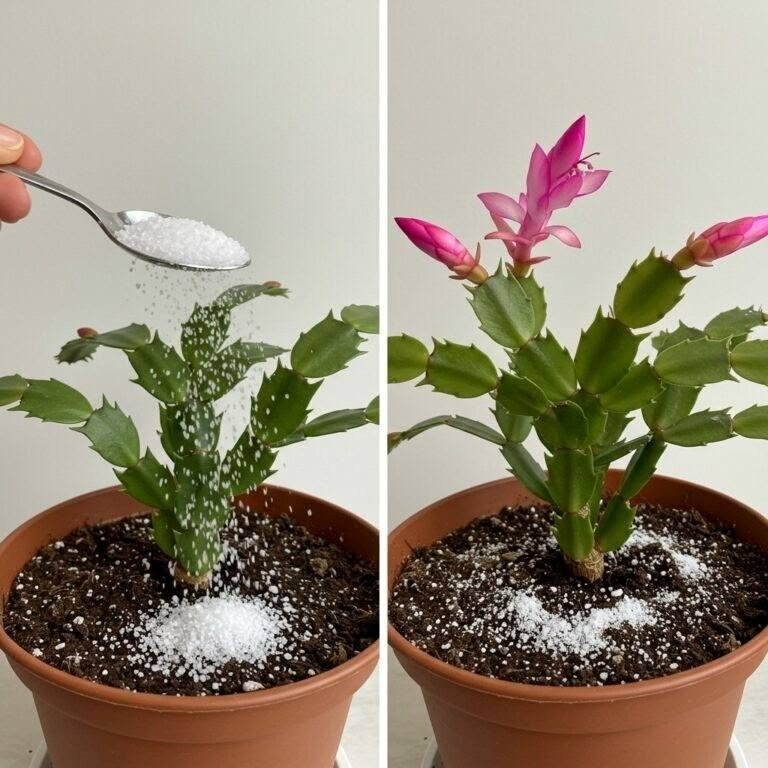
When viral gardening videos and lifestyle blogs use evocative, dramatic titles like “Fall Awakening: Breathing Life into House Flowers with a Little Secret,” they rely on the classic appeal of a hidden shortcut. By promising that a single, secret kitchen ingredient or mysterious tonic can instantly wake up sluggish indoor plants as autumn arrives, these articles trade horticultural science for internet theater.
What Clickbait “Fall Plant Secrets” Get Wrong
-
The “Magic Tonic” Fallacy: Sensationalized posts often claim that pouring leftover coffee, unmeasured milk mixtures, or random organic concoctions into your plant pots will trigger an explosion of growth. In reality, dumping unrefined kitchen waste into containers introduces sugars and acids that attract gnats, disrupt soil microbes, and risk rotting root systems.
-
Fighting Natural Plant Biology: Clickbait guides frequently treat autumn as an active peak growing season that just needs a “push,” ignoring the reality that most indoor plants naturally respond to environmental cues by slowing down as the seasons change.
The Horticultural Reality: Photoperiods and Metabolic Shifts
Botanists and horticulturists evaluate indoor plant care through the lens of environmental physics and plant physiology. As autumn arrives, two major shifts fundamentally alter how houseplants behave:
-
The Declining Photoperiod and Light Integral:As the Earth’s axis tilts, the days grow shorter and the sun sits at a lower angle. This decreases the Daily Light Integral (DLI)—the total amount of photosynthetically active radiation a plant receives each day. Because light is the primary energy source for photosynthesis, a plant’s capacity to generate food and fuel growth drops significantly during the colder months.
-
Slowing Plant Metabolism: With less light and cooler ambient temperatures, a houseplant’s metabolic rate slows down. It enters a semi-dormant or resting phase. Because it is consuming energy and transpiring at a much slower pace, its physiological demand for water and nutrients drops drastically.
Evidence-Based Autumn Plant Care
Instead of searching for a magical secret ingredient, supporting your indoor plants through the autumn transition relies on adjusting to their changing biological needs:
-
Scale Back Watering: This is the most critical adjustment. Because plants drink and transpire far less in the fall, soil stays wet much longer. Always check the soil depth (usually an inch or two down) before watering; treating plants with the same summer watering schedule will quickly lead to root rot.
-
Optimize Light Placement: Compensate for shorter days by moving light-loving plants a bit closer to windows, ensuring they aren’t left in deep seasonal shadows.
-
Ease Up on Fertilizer: Since active growth stalls during the cooler months, suspend heavy feeding. Forcing nutrients on a resting plant can chemical-burn the root system. Save active fertilizing for the return of spring.
-
Guard Against Dry Heat: When indoor heating systems turn on, they create a very dry microclimate. Keep delicate tropical plants away from direct radiator drafts, and group plants together to naturally boost ambient humidity.
