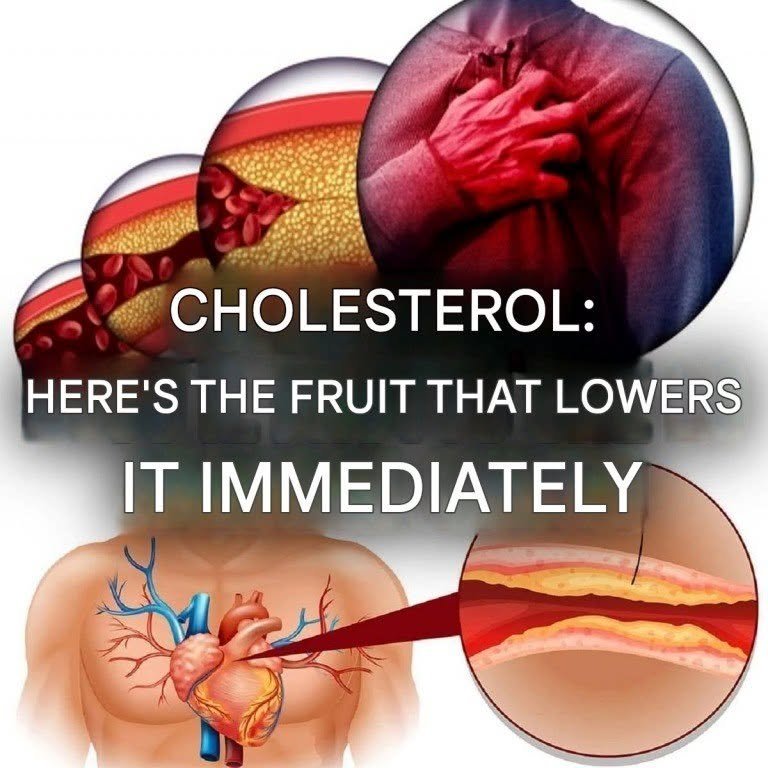
When wellness blogs and sensationalized articles flash headlines like “The fruit with incredible properties: it controls blood pressure, lowers cholesterol and much more,” they rely on a classic engagement formula: keeping the identity of the “miracle” food mysteriously vague while promising an all-encompassing health cure. Whether the article points to pomegranates, avocados, or apples, framing any single fruit as a standalone medical treatment trades nutritional science for click-through traffic.
What Clickbait “Miracle Fruit” Claims Get Wrong
-
The “Single-Food Panacea” Fallacy: Clickbait posts treat one specific produce item as a magic bullet that can single-handedly reverse chronic cardiovascular issues, ignoring the reality that long-term heart health depends on an overall dietary pattern, physical activity, and genetics.
-
Oversimplifying Complex Biomechanics: Sensationalized articles attribute sweeping medical transformations to a single ingredient, glossing over the fact that regulating blood pressure and lowering cholesterol involve entirely different physiological pathways.
The Clinical Reality: How Heart-Healthy Fruits Actually Work
Cardiologists, registered dietitians, and nutritional scientists evaluate fruits not as magic cures, but as nutrient-dense packages of specific bioactive compounds that support the cardiovascular system:
-
Soluble Fiber and Cholesterol Excretion (Pectin):Certain fruits—such as apples, pears, and berries—are rich in a soluble fiber called pectin. In the digestive tract, soluble fiber forms a gel-like substance that binds to bile acids (which are made from cholesterol). This process helps the body excrete cholesterol rather than reabsorbing it, forcing the liver to draw circulating LDL (“bad”) cholesterol out of the bloodstream to manufacture new bile.
-
Potassium and Vascular Tension Regulation:Fruits packed with potassium—including bananas, citrus, and kiwifruit—help manage blood pressure. Potassium assists the kidneys in efficiently excreting excess sodium and helps relax the smooth muscle walls of blood vessels, reducing arterial resistance.
-
Polyphenols and Endothelial Function:Intensely colored fruits (like pomegranates, dark berries, and red grapes) contain high concentrations of polyphenols and anthocyanins. These antioxidants help reduce oxidative stress and support the endothelium (the delicate inner lining of blood vessels), promoting optimal nitric oxide production and arterial elasticity.
Evidence-Based Approach to Cardiovascular Wellness
Instead of searching for a single miracle fruit to rewrite your health markers, a sustainable approach focuses on overall nutrition:
-
Embrace Variety Over Monotrophy: Incorporating a wide array of colorful fruits, vegetables, whole grains, and healthy fats—such as those found in a Mediterranean dietary pattern—delivers a synergistic blend of fiber, antioxidants, and minerals that far outperforms any single food item.
-
Track Objectively: Rely on standard clinical metrics—such as routine lipid panels and regular blood pressure checks ordered by your healthcare provider—to objectively measure your cardiovascular health.
