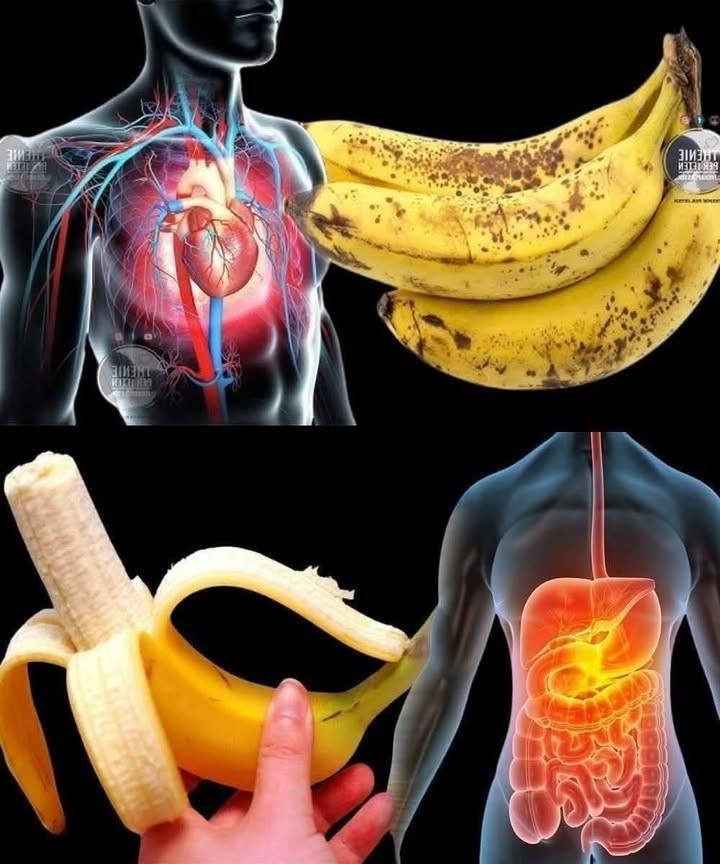
Eating bananas provides a wealth of nutritional benefits, most notably increasing key nutrient levels and supporting various physiological processes.
Here is what increasing your intake of bananas actually does for the body:
1. Increases Potassium and Electrolyte Levels
Bananas are famously rich in potassium, an essential mineral and electrolyte.
-
The Mechanism: Potassium helps regulate fluid balance, nerve signals, and muscle contractions throughout the body. It also counteracts the effects of sodium, helping to relax blood vessel walls and support healthy blood pressure levels.
2. Boosts Vitamin B6 and Neurotransmitter Support
-
The Mechanism: A medium banana provides a significant portion of your daily Vitamin B6. This vitamin is a crucial coenzyme required by the body to convert amino acids into key neurotransmitters—including serotonin and dopamine—which help regulate mood, sleep, and cognitive function.
3. Increases Dietary Fiber and Resistant Starch
-
The Mechanism: Unripe or slightly green bananas are high in resistant starch, while ripe bananas provide soluble and insoluble fiber. These fibers act as prebiotics, feeding beneficial gut bacteria, slowing digestion, promoting satiety (fullness), and helping to stabilize blood sugar spikes compared to simple refined sugars.
Important Clinical Caveat
While bananas are a healthy whole-food staple for the majority of people, individuals with advanced chronic kidney disease (CKD) or those taking specific medications (such as potassium-sparing diuretics or certain ACE inhibitors) need to monitor their overall potassium intake carefully, as impaired kidneys cannot efficiently filter excess potassium from the blood.
