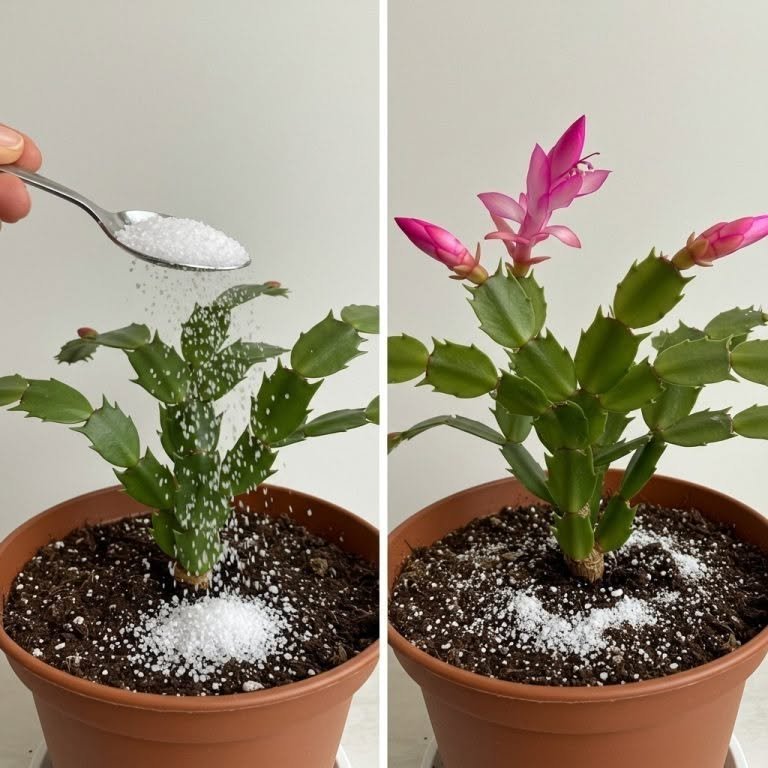
When viral lifestyle blogs and sensationalized garden posts use dramatic titles like “Fall Awakening: Breathing Life into House Flowers with a Little Secret,” they tap into the universal desire for a quick fix. By packaging unverified kitchen concoctions as a magical shortcut to revive indoor plants as the weather turns, these articles trade horticultural science for internet theater.
What Clickbait “Fall Plant Secrets” Get Wrong
-
The “Magic Kitchen Tonic” Fallacy: Content pieces frequently claim that pouring leftover coffee, unmeasured milk mixtures, or random organic residues into your plant pots will instantly jolt a plant into vigorous growth. In reality, dumping unrefined food waste into containers invites gnats, alters soil pH unpredictably, and creates a breeding ground for harmful fungi.
-
Fighting Natural Plant Rhythms: Sensationalized guides treat autumn as an active peak growing season that just needs a secret “push,” ignoring the biological reality that most indoor plants are hardwired to respond to environmental cues by slowing down.
The Horticultural Reality: Light, DLI, and Dormancy
Botanists and horticulturists evaluate indoor plants through the lens of physics and seasonal biology. As autumn progresses, two major shifts fundamentally alter plant health:
-
The Dropping Daily Light Integral (DLI): As days shorten and the sun sits at a lower angle, the amount of usable light energy plants receive drops drastically. Because light is the primary fuel for photosynthesis, a plant’s ability to generate energy slows down proportionally.
-
Cooler Soil and Reduced Evapotranspiration: Indoor temperatures may feel stable, but windowsills and floors often experience cooler drafts. Cooler roots absorb water and nutrients much more slowly, meaning excess moisture lingers in the potting mix far longer than it did in the summer.
Evidence-Based Autumn Care Steps
Instead of searching for a hidden tonic, supporting your houseplants through the autumn transition relies on adapting to their natural slowdown:
-
Ease Up on the Watering Can: Because plants transpire and drink significantly less in cooler months, check the soil depth before watering. Sticking rigidly to a summer schedule will quickly suffocate roots in waterlogged soil.
-
Optimize Light Exposure: Move sun-loving tropicals closer to bright windows to maximize every available minute of natural daylight.
-
Pause Heavy Fertilization: Since active growth stalls as daylight wanes, put aside high-nitrogen fertilizers. Forcing nutrients onto a semi-dormant plant can chemical-burn its roots.
