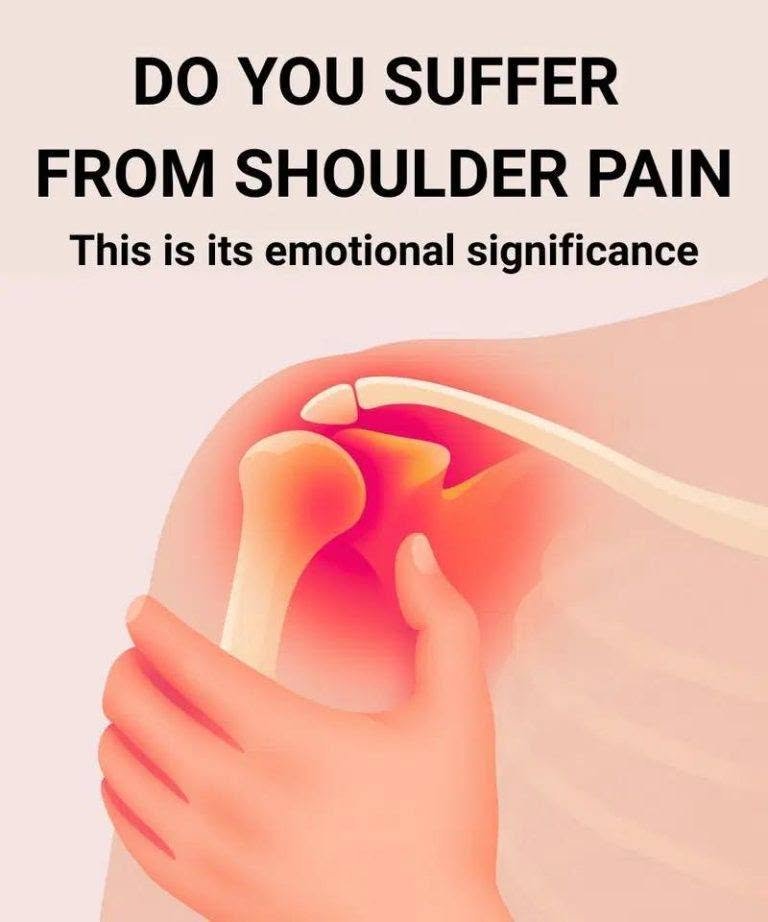
In psychosomatic medicine and holistic health traditions, the shoulders are viewed as the body’s primary load-bearing joints—both physically and metaphorically. When we talk about carrying the weight of the world, dealing with a heavy burden, or holding onto unspoken stress, the physical manifestation frequently settles right into the shoulder girdle.
Here is a look at the emotional and energetic meanings commonly associated with shoulder pain:
1. Carrying “Too Much Responsibility”
Shoulders are literally designed to lift, haul, and bear weight. Emotionally, shoulder pain often flares up when you are taking on too much for others—whether at work, within a family, or in relationships—without adequate support or boundaries. It represents the physical sensation of feeling overburdened or feeling like everything is resting entirely on your shoulders.
2. Suppressed Emotional Burden or Unexpressed Grief
In many mind-body frameworks, the upper back and shoulders act as an emotional storage unit for feelings we refuse to let out. Unresolved guilt, hidden grief, chronic worry, or the pressure to “stay strong” and keep a stiff upper lip often cause the trapezius and shoulder muscles to chronically contract and armor themselves against vulnerability.
3. Feeling Defeated or Powerless
When people experience overwhelming stress that feels inescapable, the body instinctively pulls inward—rounding the shoulders, sinking the chest, and tensing the upper back in a classic protective posture. Chronic discomfort in this area can symbolize a feeling of being defeated by circumstances, feeling unappreciated for your labor, or feeling powerless to change a situation.
4. Resistance to Change or Moving Forward
Physically, our shoulders move us forward; we lead with our shoulders when pushing open doors or navigating space. Energetically, tension or pain in the shoulders can signify inner resistance—a subconscious reluctance to face a difficult decision, take on a new chapter of life, or confront a conflict you have been avoiding.
Bridging the Physical and Emotional
While exploring the emotional roots of pain can offer profound psychological relief and self-awareness, it is always wise to honor the physical body as well. Emotional stress causes the nervous system to lock muscles into chronic contraction, reducing blood flow and creating painful myofascial trigger points. Addressing shoulder pain requires a two-pronged approach: easing the mental load and setting boundaries, alongside physical care like gentle stretching, heat therapy, massage, or posture correction.
