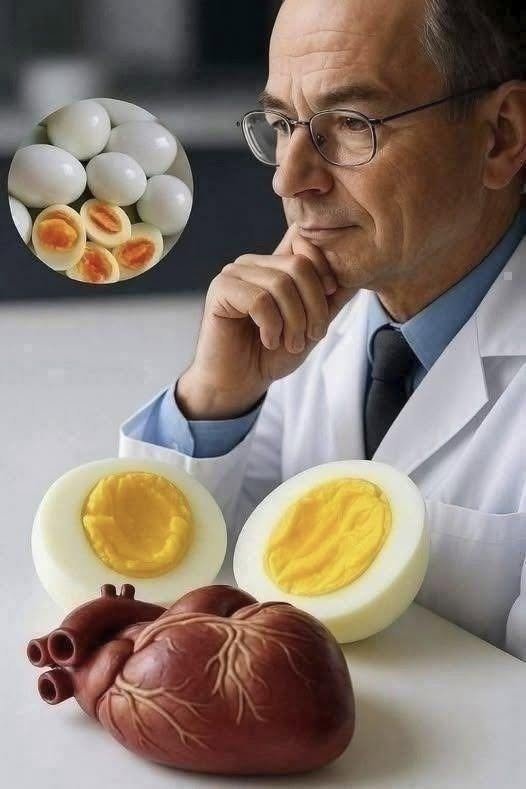
Hard-boiled eggs are often celebrated as the ultimate portable, nutrient-dense superfood, packed with high-quality protein, choline, and essential B vitamins. However, when medical professionals and nutrition scientists examine the broader health impacts of eating hard-boiled eggs regularly—especially in large quantities—they highlight a few important physiological effects:
1. Modest Impacts on Blood Cholesterol (For Most People)
For decades, eggs were avoided out of fear of dietary cholesterol. Modern clinical research shows that for roughly 70% of the population, dietary cholesterol from eggs has a minimal impact on blood cholesterol levels because the liver simply reduces its own cholesterol production. However, for the remaining 30% (“hyper-responders”), eating multiple eggs daily can modestly raise LDL (“bad”) cholesterol, making moderation wise for those with pre-existing cardiovascular risks.
2. Satiety and Blood Sugar Regulation
Because they are virtually devoid of carbohydrates and rich in complete protein and healthy fats, eating hard-boiled eggs triggers the release of peptide YY (PYY) and other gut hormones that signal fullness. Doctors note that incorporating eggs into a meal helps stabilize blood sugar levels and prevents mid-morning energy crashes by slowing down gastric emptying.
3. Digestive Sensitivity and Sulfur
Hard-boiled eggs are rich in sulfur-containing amino acids. While normal digestion handles these easily, eating large quantities of hard-boiled eggs can sometimes lead to sulfurous gas, bloating, or mild digestive discomfort in individuals sensitive to FODMAPs or with irritable gut tracts.
4. Exceptional Support for Brain and Eye Health
The yolks of hard-boiled eggs are one of the richest dietary sources of choline (crucial for neurotransmitter synthesis, memory, and liver function) as well as lutein and zeaxanthin (powerful antioxidants that accumulate in the retina to protect against age-related macular degeneration).
5. Potential Food Safety Risks (If Improperly Stored)
Doctors and food safety experts remind consumers that hard-boiled eggs have a shorter safe shelf life than raw eggs. Once the protective natural cuticle (bloom) is washed away during boiling, bacteria like Salmonella can more easily penetrate the shell if eggs are left at room temperature. Hard-boiled eggs should be refrigerated promptly and consumed within one week.
