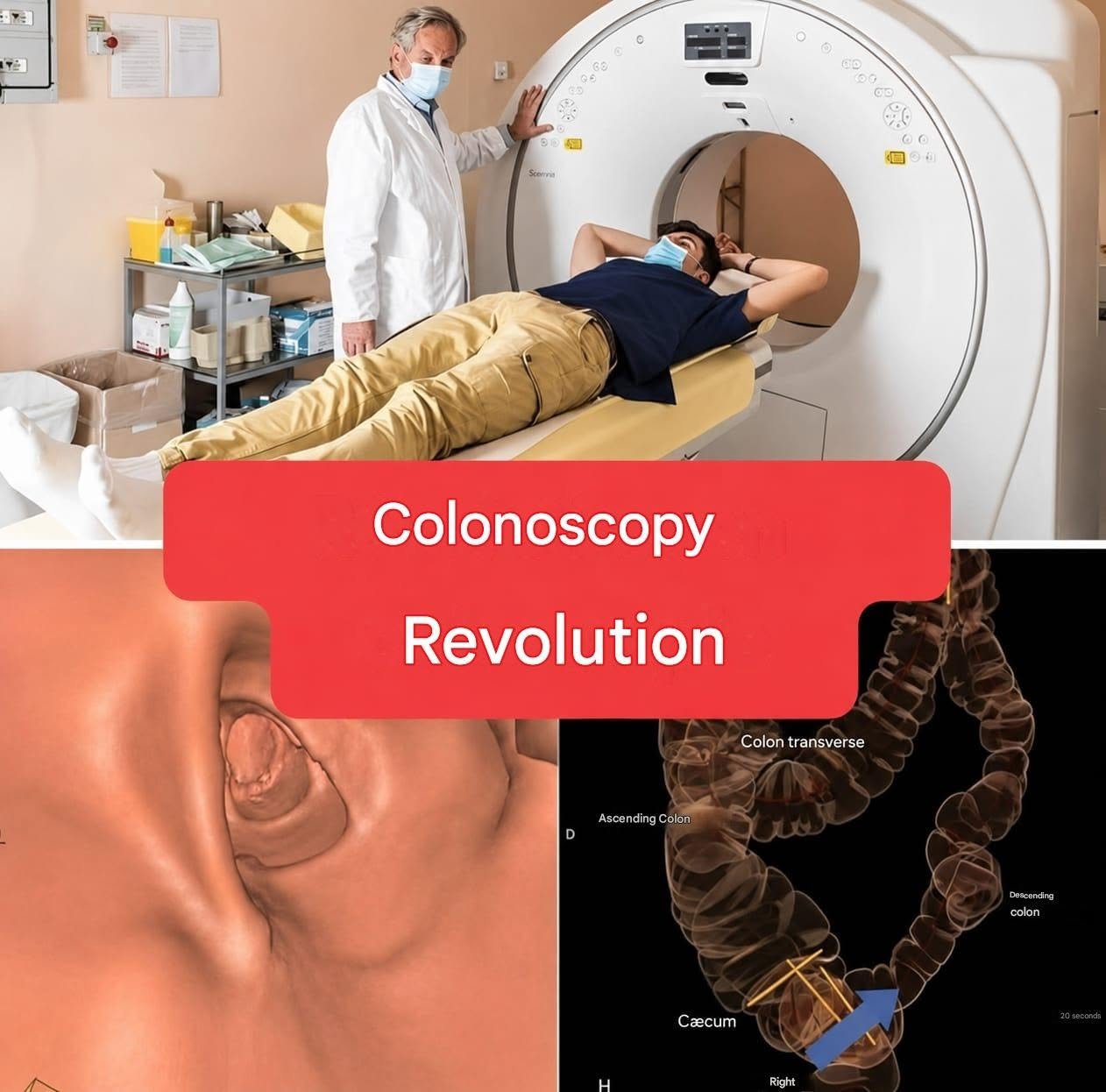
The prospect of replacing invasive colonoscopies with non-invasive methods has long been a major goal in gastroenterology. While a traditional colonoscopy remains the gold standard because doctors can view the entire colon and remove suspicious polyps in the same procedure, several advanced alternatives are transforming colorectal cancer screening:
1. Advanced Stool-Based Tests (DNA & Multi-Target Tests)
-
How They Work: Modern multi-target stool DNA tests (such as Cologuard) and advanced molecular assays look for altered DNA biomarkers and microscopic traces of blood shed by polyps or cancerous cells into the GI tract.
-
The Benefit: These tests can be completed entirely at home with zero dietary restrictions or sedation, making routine screening significantly more accessible for average-risk individuals.
2. Microbiome & AI-Driven Stool Screening
-
The Breakthrough: Emerging research leveraging artificial intelligence to map gut bacteria and microbial patterns from simple stool samples has shown remarkable potential. These advanced algorithms can detect subtle biochemical signatures associated with colorectal changes, paving the way for highly sensitive, non-invasive screening tools.
3. Virtual Colonoscopy (CT Colonography)
-
How It Works: A specialized, low-dose CT scan captures high-resolution 3D images of the entire colon and rectum without inserting a physical scope or requiring sedation.
-
The Benefit: It is much faster and less invasive than a traditional optical colonoscopy. However, if the scan detects a polyp or suspicious growth, a follow-up traditional colonoscopy is still required to remove or biopsy the tissue.
4. Blood-Based Biomarker Tests
-
How They Work: Researchers are continuously refining liquid biopsies that detect circulating tumor DNA (ctDNA) or specific protein markers associated with colorectal malignancies in a routine blood draw.
The Crucial Catch with Non-Invasive Options
While non-invasive tests (like stool samples or virtual scans) are fantastic for regular screening in average-risk populations, they are diagnostic screening tools, not therapeutic ones. If a non-invasive test comes back positive—or if polyps are identified—a traditional colonoscopy is still necessary so a gastroenterologist can physically remove the tissue and prevent it from developing into cancer.
