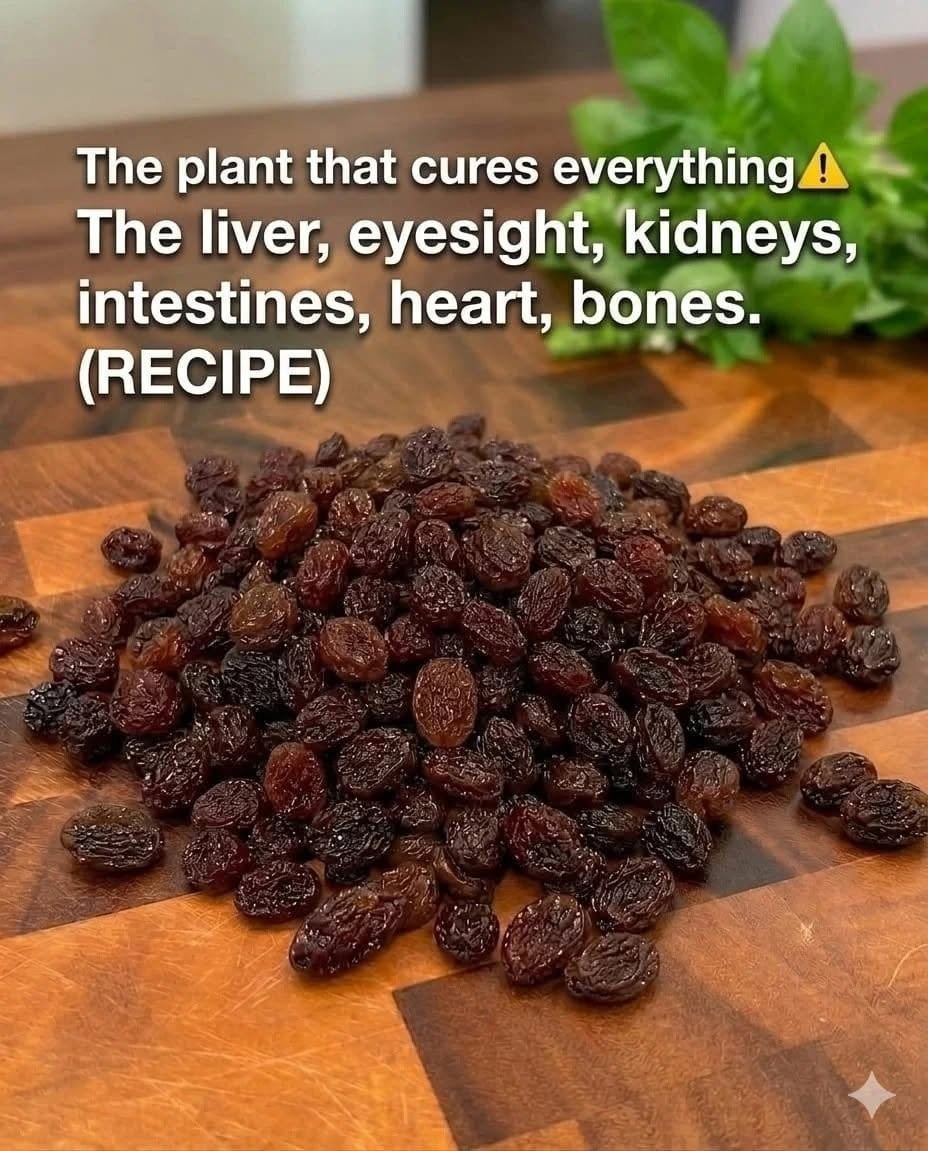
Viral health claims frequently highlight a so-called “miracle plant” that supposedly cures everything from liver disease and declining eyesight to kidney failure, intestinal issues, heart conditions, and bone degeneration. While botanical remedies have played a foundational role in traditional medicine for centuries, no single plant can cure every organ and system in the human body.
Here is what modern medicine and pharmacology reveal about these sensational claims, how popular herbs actually function, and how to use plant-based supplements safely:
The Myth of the Universal Cure-All
Organs throughout the human body—such as the cardiovascular system, the kidneys, and the liver—operate through vastly different physiological pathways and cellular mechanisms. A bio-active compound that supports liver detoxification or reduces inflammation cannot simultaneously rebuild worn bone cartilage, correct structural eye damage, or reverse heart disease.
While certain plants contain powerful antioxidants or anti-inflammatory agents that support specific bodily functions, supporting an organ is entirely different from curing a pathological disease.
What Popular Medicinal Plants Actually Do
When viral posts promote a wonder plant, they typically take a grain of truth about a herb’s traditional use and stretch it far beyond clinical reality:
-
Milk Thistle (Liver Support): Contains an antioxidant complex called silymarin, which helps protect liver cells from toxins and supports mild tissue repair. However, it cannot reverse advanced liver cirrhosis or cure hepatitis on its own.
-
Turmeric (Inflammation and Joint Support): Rich in curcumin, turmeric helps manage systemic inflammation, which can benefit joint comfort and cardiovascular health. However, it requires proper bioavailability enhancers (like piperine from black pepper) to be absorbed effectively.
-
Moringa (Nutritional Density): Often referred to as the “miracle tree,” moringa leaves are exceptionally rich in vitamins A and C, iron, and calcium. While it is a remarkably nutritious green, it functions as a potent food source rather than a targeted medical cure.
-
Ginseng (Energy and Immune Modulation): Widely used as an adaptogen to help the body cope with physical stress and fatigue, but overconsumption can elevate blood pressure, cause jitteriness, or trigger insomnia.
Important Safety Guidelines for Herbal Remedies
Just because a remedy is derived from a plant does not mean it is automatically safe for everyone:
-
Risk of Drug Interactions: Many potent herbs can severely alter how prescription medications—such as blood thinners, blood pressure drugs, and diabetes medications—are processed by the liver and kidneys.
-
Potential for Organ Strain: High-dose herbal extracts can occasionally place an unexpected metabolic burden on the liver or kidneys, particularly in individuals with pre-existing organ sensitivities.
-
Consult a Healthcare Professional: Always speak with your doctor or a qualified clinical herbalist before adding concentrated herbal supplements to your routine, especially if you are managing chronic health conditions.
