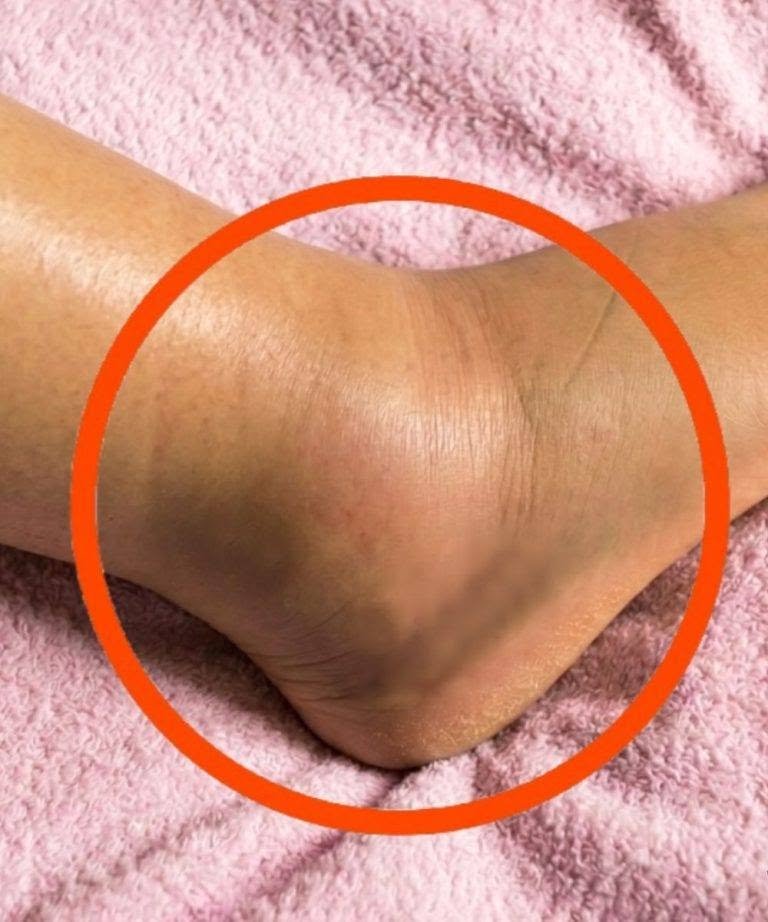
When viral health posts or articles warn that leg swelling (edema) is a sign of cancer, they are touching on a terrifying symptom while often missing the most common medical realities.
While certain malignancies can cause swelling, cancer is rarely the first or most likely cause of swollen legs. In the vast majority of cases, swollen legs point to much more common cardiovascular, circulatory, or lifestyle factors.
The Most Common (Non-Cancer) Causes of Leg Swelling
-
Chronic Venous Insufficiency (CVI): This is the leading cause of leg swelling, especially in older adults. The tiny one-way valves inside your leg veins become weak, allowing blood to pool in your lower legs rather than flowing efficiently back up to your heart.
-
Heart Failure: When the heart’s pumping efficiency declines, fluid can back up in the body’s circulatory system, causing fluid to seep into surrounding tissues—particularly in the feet, ankles, and legs.
-
Blood Clots (Deep Vein Thrombosis – DVT): A blood clot in a deep leg vein blocks blood flow. Crucial warning: DVT typically causes swelling in only one leg, accompanied by pain, tenderness, warmth, and redness.
-
Medication Side Effects: Many common prescription drugs—including blood pressure medications (calcium channel blockers), NSAIDs, steroid hormones, and certain diabetes drugs—cause fluid retention as a side effect.
-
Kidney or Liver Disease: Both organs regulate fluid balance and protein levels in the blood. When they struggle, fluid leaks out of blood vessels and accumulates in the lower extremities.
When Can Swelling Indicate Cancer?
Cancer can be linked to leg swelling in specific scenarios, usually by obstructing blood or lymphatic circulation:
-
Blood Clots Triggered by Cancer: Active cancer or certain cancer treatments significantly increase the body’s risk of developing dangerous blood clots (DVT), which manifest as sudden swelling in one leg.
-
Tumor Compression: A pelvic or abdominal tumor (such as from ovarian, uterine, colon, or prostate cancer, or swollen lymph nodes from lymphoma) can press directly against large blood vessels or lymphatic channels, blocking the return flow of fluid from the legs.
Red-Flag Symptoms: When to Seek Immediate Medical Care
Because leg swelling can range from a harmless side effect of standing too long to a sign of a serious cardiovascular emergency, you should seek prompt medical evaluation—especially if the swelling exhibits these warning signs:
-
Swelling that appears suddenly and affects only one leg (a key sign of a potential blood clot).
-
Swelling accompanied by chest pain, sudden shortness of breath, or difficulty breathing (which can indicate a pulmonary embolism if a blood clot travels to the lungs).
-
Skin over the swollen area that is red, hot to the touch, or painful.
-
Swelling accompanied by unexplained rapid weight gain or severe fatigue.
