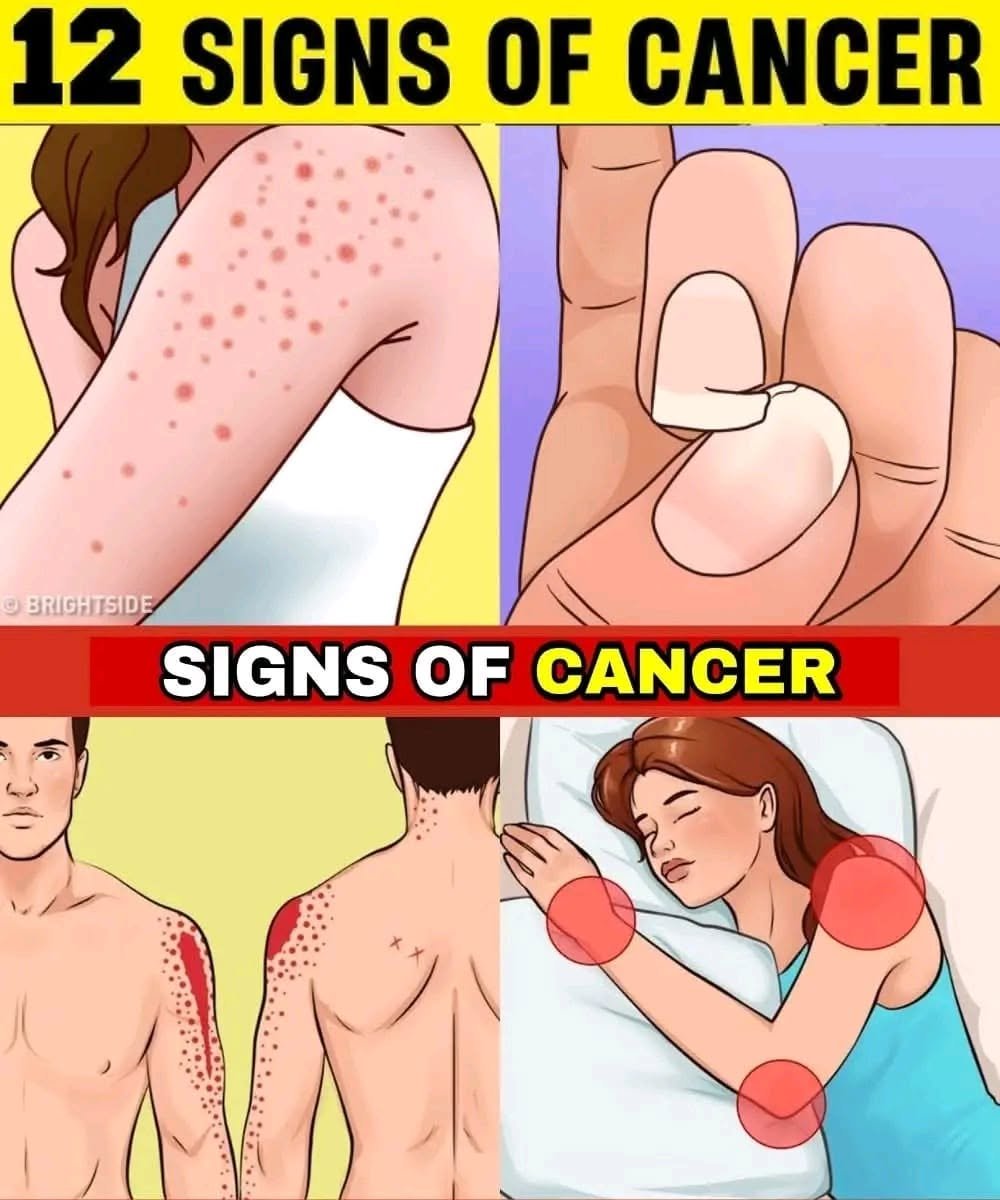
While many early warning signs can easily overlap with benign, everyday health conditions, paying close attention to persistent, unexplained shifts in your body is key to early detection. Medical organizations and oncologists track several standard indicators that can signal abnormal cellular changes or tumor development.
Here are 12 early warning signs that warrant a professional medical evaluation if they persist or worsen:
1. Unexplained, Rapid Weight Loss
-
What to Watch For: Losing 10 pounds or more unexpectedly over a short period without altering your diet, exercise habits, or stress levels.
-
Why It Happens: Cancers affecting the stomach, pancreas, esophagus, or lungs can alter metabolism or release inflammatory chemicals that suppress appetite and break down fat and muscle tissue rapidly.
2. Unrelenting Fatigue and Extreme Exhaustion
-
What to Watch For: A deep, systemic exhaustion that does not improve with a full night’s sleep and makes routine daily tasks feel overwhelming.
-
Why It Happens: Unlike normal tiredness, cancer-related fatigue is often driven by the body’s continuous inflammatory response, subtle internal blood loss (leading to anemia), or metabolic disruptions.
3. Persistent Fever or Drenching Night Sweats
-
What to Watch For: Low-grade fevers that linger without an obvious infection, or heavy night sweats that soak through bedsheets.
-
Why It Happens: Leukemias, lymphomas, and other blood-related cancers frequently alter the body’s immune response and temperature-regulation centers, triggering chronic immune activation.
4. Significant Skin Changes and New Lesions
-
What to Watch For: New moles, spots that change rapidly in size, shape, or color, asymmetrical borders, or sores that bleed easily and fail to heal.
-
Why It Happens: Uncontrolled replication of pigment-producing cells (melanocytes) or cellular damage from UV radiation can disrupt normal skin architecture, leading to malignant lesions.
5. Unexplained Lumps or Tissue Thickening
-
What to Watch For: A firm, painless mass or thickening felt beneath the skin, commonly in the breasts, testicles, neck, or underarm lymph nodes.
-
Why It Happens: Localized cell proliferation creates physical masses or swells nearby lymph nodes as the immune system attempts to filter out abnormal cells.
6. Persistent Changes in Bowel or Bladder Habits
-
What to Watch For: Long-term bouts of diarrhea or constipation, narrow-caliber stools, blood in the stool, or sudden pain, urgency, and blood when urinating.
-
Why It Happens: Tumors in the colon, rectum, bladder, or prostate can physically obstruct, irritate, or compromise the lining of the digestive and urinary tracts.
7. A Nagging Cough or Hoarseness That Won’t Go Away
-
What to Watch For: A dry cough that persists for weeks, blood-tinged phlegm, or chronic, unexplained hoarseness in your voice.
-
Why It Happens: Tumors in the lungs, airways, larynx, or thyroid can put mechanical pressure on vocal cords or irritate respiratory linings.
8. Unexplained Bleeding or Spontaneous Bruising
-
What to Watch For: Bruising easily from minimal contact, bleeding gums, blood in the urine, or unusual vaginal bleeding between periods.
-
Why It Happens: Certain cancers disrupt platelet counts or bone marrow function, compromising the blood’s ability to clot normally.
9. Difficulty Swallowing or Chronic Indigestion
-
What to Watch For: A persistent feeling that food is getting “stuck” in your throat or chest, or persistent, severe indigestion.
-
Why It Happens: Structural growths in the esophagus, throat, or stomach can narrow the digestive passage or interfere with normal swallowing mechanics.
10. Sores That Do Not Heal
-
What to Watch For: An open sore, ulcer, or patch of skin anywhere on the body (including inside the mouth) that lingers for more than a few weeks without healing.
-
Why It Happens: Chronic localized inflammation and cellular disruption can prevent normal tissue regeneration and repair cycles.
11. Persistent, Unexplained Pain
-
What to Watch For: Deep bone pain, persistent headaches that don’t respond to standard treatment, or ongoing abdominal discomfort without a clear cause.
-
Why It Happens: Tumors can press against nerves, spread into bone tissue, or cause internal pressure as they grow.
12. Unexplained Neurological Shifts or Vision Changes
-
What to Watch For: Sudden balance issues, dizziness, unexplained weakness on one side of the body, or blurred/double vision.
-
Why It Happens: While less common early on, intracranial pressure or primary/metastatic growths in the central nervous system can disrupt neurological signaling.
Note: Experiencing one or more of these symptoms does not automatically mean cancer is present, as many harmless conditions share identical signs. However, if any symptom is progressive, unusual, or fails to resolve within a couple of weeks, consult a physician for appropriate diagnostic screening.
