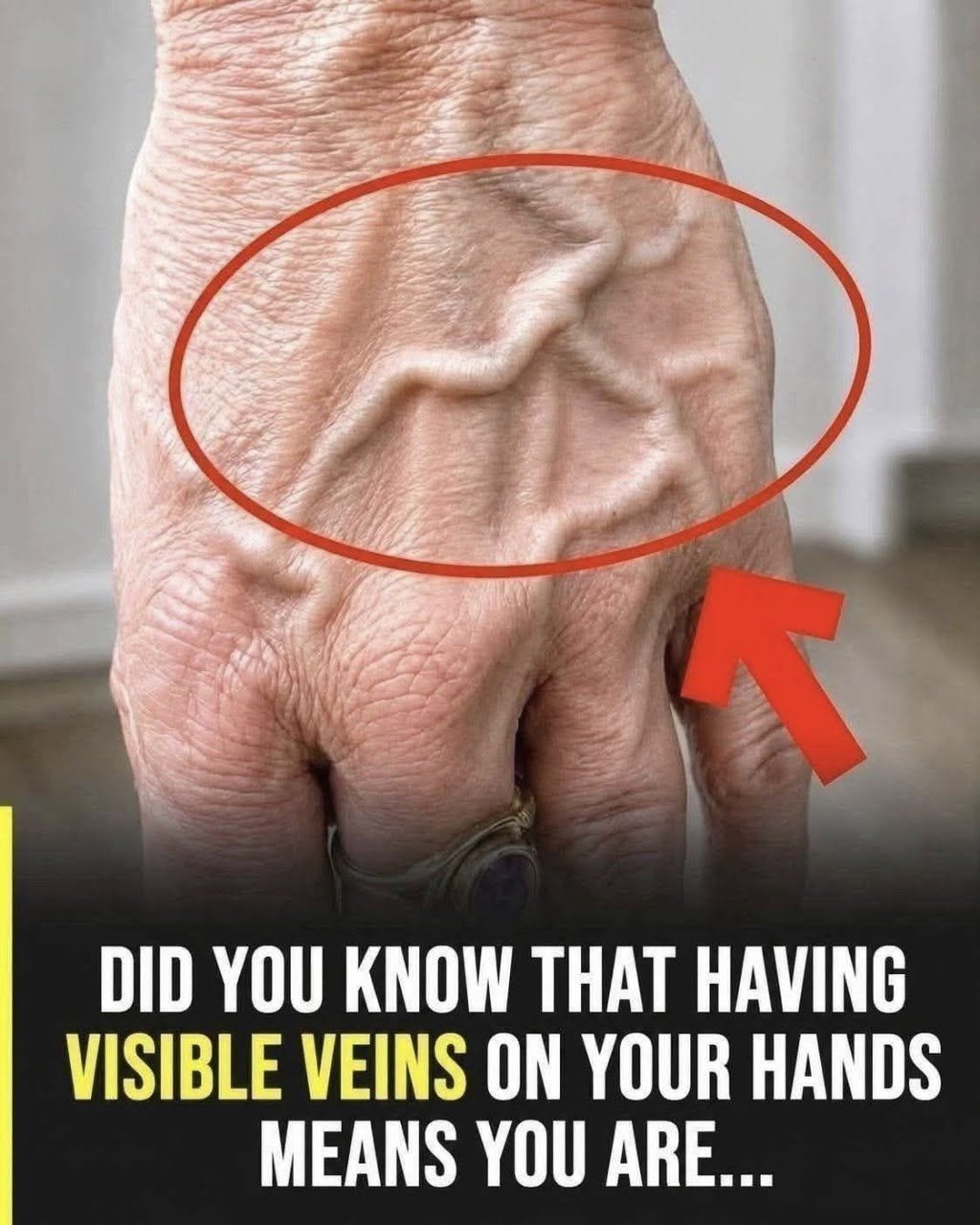
Having visible veins is completely normal in most cases, and it doesn’t point to just one single thing. Instead, prominent or noticeable veins usually come down to a combination of physical, genetic, and environmental factors.
Depending on the context, having visible veins can mean a few different things:
1. Low Body Fat and Good Fitness
If your veins (especially on your arms, hands, or legs) are pronounced, it often means you have a lower body fat percentage and a healthy muscle mass. When there is less subcutaneous fat cushioning the space between your skin and your muscles, your blood vessels naturally sit closer to the surface and stand out more. Regular exercise and weightlifting also temporarily boost blood pressure and expand your veins, making them look even more prominent (“vascularity”).
2. Natural Skin Characteristics and Genetics
-
Skin Tone and Thickness: People with fair or thinner skin naturally show the blue or green hue of their blood vessels much more easily.
-
Genetics: Just like eye color or height, the layout of your vascular system and how close your veins sit to the surface of your skin are heavily inherited from your family.
3. Aging and Collagen Loss
As people get older, the skin naturally loses elasticity and thins out, and the layer of subcutaneous fat beneath it diminishes. This loss of structural padding makes veins much more visible than they were in younger years.
4. Temporary Environmental or Lifestyle Factors
-
Heat and Weather: Warm weather causes your blood vessels to dilate (expand) to help cool your body down, pushing more blood close to the skin’s surface.
-
Hydration and Blood Volume: Dehydration can sometimes alter blood volume or skin plumpness, while intense physical exertion or heavy lifting temporarily increases blood pressure, making veins pop out.
When to Pay Closer Attention
While flat, painless visible veins are typically harmless, you should take note if your veins become bulging, twisted, rope-like, or painful. In the legs, prominent or aching veins can sometimes signal underlying issues like chronic venous insufficiency (where the tiny valves inside the veins struggle to push blood back up to the heart efficiently). Furthermore, any sudden appearance of a warm, swollen, or painful vein—especially if accompanied by swelling in only one leg—should be evaluated promptly by a doctor to rule out a blood clot.
