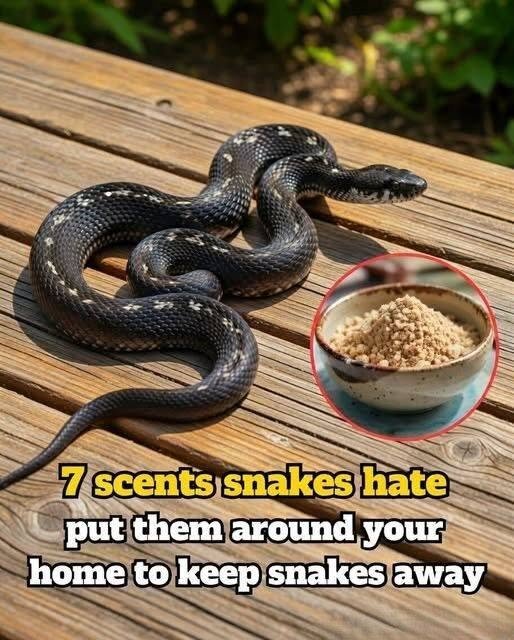
When sensationalized pest-control clickbait flashes headlines like “7 smells snakes hate and how to use them to keep these slithery visitors away from your home,” they love to tap into primal fears. They often package viral folklore—like magical essential oil sprays or miracle plants—as foolproof, impenetrable shields against wildlife.
From a clinical wildlife management, environmental science, and practical home-safety perspective, snakes are not mystical intruders; they are simply ectothermic (cold-blooded) animals seeking shelter, water, or prey (like rodents). While certain strong scents can temporarily irritate a snake’s highly sensitive Jacobson’s organ (their olfactory receptor), scent repellents are notoriously unreliable as a standalone barrier. True snake deterrence is rooted in habitat modification and physical exclusion.
The Reality Behind Snake Senses and Repellents
How do snakes actually interact with odors in their environment, and why do DIY repellents often fall short?
-
How Snakes “Smell”: Snakes do not smell with a nose the way humans do. Instead, they flick their forked tongues to capture microscopic scent particles in the air and press them against the vomeronasal (Jacobson) organ on the roof of their mouth. Strong, pungent aromas can overwhelm this sensory system temporarily, causing them to move away.
-
The Weather and Lifespan Limitation: Scent-based repellents wash away instantly with rain, degrade rapidly in the sun, and evaporate within days. A snake accustomed to a food source or safe harborage will quickly ignore an unpleasant smell.
-
The Real Attractants: Snakes do not come to your yard because of a lack of smelly plants; they come because your property offers what they need: tall grass (hiding spots), woodpiles or rock crevices (shelter), and mice or insects (food).
7 Scents Snakes Dislike (and Their Practical Limitations)
While fragrant deterrents can be used as a minor, short-term supplement, pest control experts view them as secondary tools at best. Here are seven common smells associated with snake aversion:
-
1. Essential Oils (Peppermint, Clove, and Cinnamon)
-
How it’s used: Concentrated oils mixed with water and sprayed around entry points.
-
The reality: Highly pungent, but evaporates quickly outdoors. It requires constant reapplication, especially after watering plants or rainfall.
-
-
2. Sulfur (Commercial Snake Repellent Granules)
-
How it’s used: Sprinkled around perimeter fencing or garden beds.
-
The reality: Often marketed in commercial powders, sulfur creates an irritating vapor for reptiles, but its strong odor is also unpleasant for humans and can harm surrounding soil chemistry if overused.
-
-
3. Vinegar (White or Horticultural)
-
How it’s used: Poured around pool borders or sheds.
-
The reality: Acidic and overpowering to their sensory organs, but water-soluble and washes away with the first morning dew or sprinkler cycle.
-
-
4. Garlic and Onions
-
How it’s used: Crushed fresh or minced around garden perimeters.
-
The reality: Sulfuric compounds in alliums irritate snakes’ sensory systems, though fresh cloves dry out and lose potency within days.
-
-
5. Ammonia
-
How it’s used: Soaking rags in ammonia and placing them in bowls around crawlspaces.
-
The reality: Emits harsh chemical fumes that can deter pests, but toxic if mishandled, harmful to pets, and ineffective once the liquid dries out.
-
-
6. Marigolds and Wormwood (Living Plants)
-
How it’s used: Planted as natural borders around flower beds.
-
The reality: While these plants have strong root and foliage scents, snakes easily slither right past or between them if the area underneath provides good cover.
-
-
7. Lime (Calcium Hydroxide)
-
How it’s used: Spreading garden lime along property lines.
-
The reality: Frequently confused with a repellent, chemical lime is actually caustic and can severely burn a snake’s belly scales—and can damage your lawn and soil pH in the process.
-
Evidence-Based Ways to Keep Your Yard Snake-Safe
If you want to genuinely deter snakes and protect your home environment without relying on failing smelly sprays, focus on habitat modification:
-
Eliminate Rodent Populations: Snakes follow their food. If you control mice and rats around your property by securing garbage bins and clearing feed, snakes will naturally move elsewhere to hunt.
-
Clear Tall Grass and Brush: Keep your lawn trimmed low, clear overgrown shrubbery away from exterior walls, and stack firewood at least 12 inches off the ground and away from the house foundation.
-
Seal Entry Points: Inspect your foundation, low-lying deck skirts, and basement windows. Use fine mesh hardware cloth or expanding foam to seal any gaps larger than a quarter-inch where small snakes could slip inside.
-
Manage Moisture: Eliminate standing water, leaky outdoor spigots, and dense, damp mulch beds that attract amphibians and insects—which in turn attract predatory snakes.
