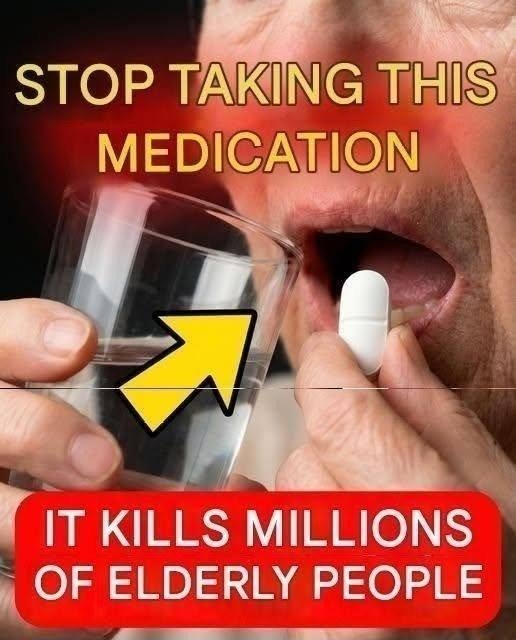
When sensationalized medical clickbait blares headlines like “A cardiologist warns: these 5 medications increase the risk of heart attack and stroke in older people,” they are exploiting legitimate geriatric clinical concerns—such as polypharmacy and adverse drug reactions—and turning them into terrifying, out-of-context scare tactics designed to make readers distrust their entire treatment plan.
From a clinical cardiology and geriatric pharmacology perspective, aging changes how the body metabolizes, distributes, and clears medications. While certain drug classes do require heightened caution, careful monitoring, or dose adjustments in older adults, labeling them as blanket “heart attack triggers” ignores the fact that millions of patients take them safely and effectively under physician supervision to manage severe chronic conditions.
The Reality Behind Medication Risks in Later Life
-
The Polypharmacy Challenge: Older adults are frequently prescribed multiple medications by different specialists. Without a centralized review, drug interactions can occur, leading to unintended side effects on blood pressure, heart rhythm, or kidney filtration.
-
Kidney and Liver Clearance: As we age, renal and hepatic clearance naturally slows down. A dose of a medication that was entirely safe at age 40 can linger longer in the bloodstream at age 75, amplifying its physiological effects.
-
Why Blanket Warnings Are Dangerous: Clickbait articles love to target common classes—such as certain NSAIDs (pain relievers), specific blood pressure drugs, or acid-suppressing medications—without mentioning patient history, dosage, or underlying diagnoses. Stopping a prescribed medication out of fear without consulting a doctor can trigger severe health crises (like uncontrolled hypertension or acute pain flare-ups).
Evidence-Based Steps for Safe Medication Management
Geriatricians and clinical pharmacists recommend proactive strategies to ensure your medication regimen remains safe, streamlined, and protective:
-
Conduct an Annual “Brown Bag” Review: Bring every prescription bottle, over-the-counter supplement, and vitamin you take to your primary care physician or pharmacist once a year. Let them review the full list to check for redundant drugs or potential interactions.
-
Ask the Right Clinical Questions: Whenever a new medication is prescribed, ask your doctor: What is the specific goal of this medicine? Are there non-drug alternatives? How will we monitor its effectiveness and side effects over time?
-
Never Stop Prescribed Medications Abruptly: If a sensational article or online forum makes you worried about a drug you are currently taking, schedule a conversation with your healthcare provider. They can evaluate your personal risk-benefit ratio and make safe, gradual adjustments if necessary.
-
Prioritize Lifestyle Foundations: Whenever possible, lean into non-pharmacological pillars—such as anti-inflammatory nutrition, daily mobility, and hydration—to support your body’s natural resilience.
Are you looking into strategies for managing medication reviews, or exploring ways to support healthy aging and vitality?
