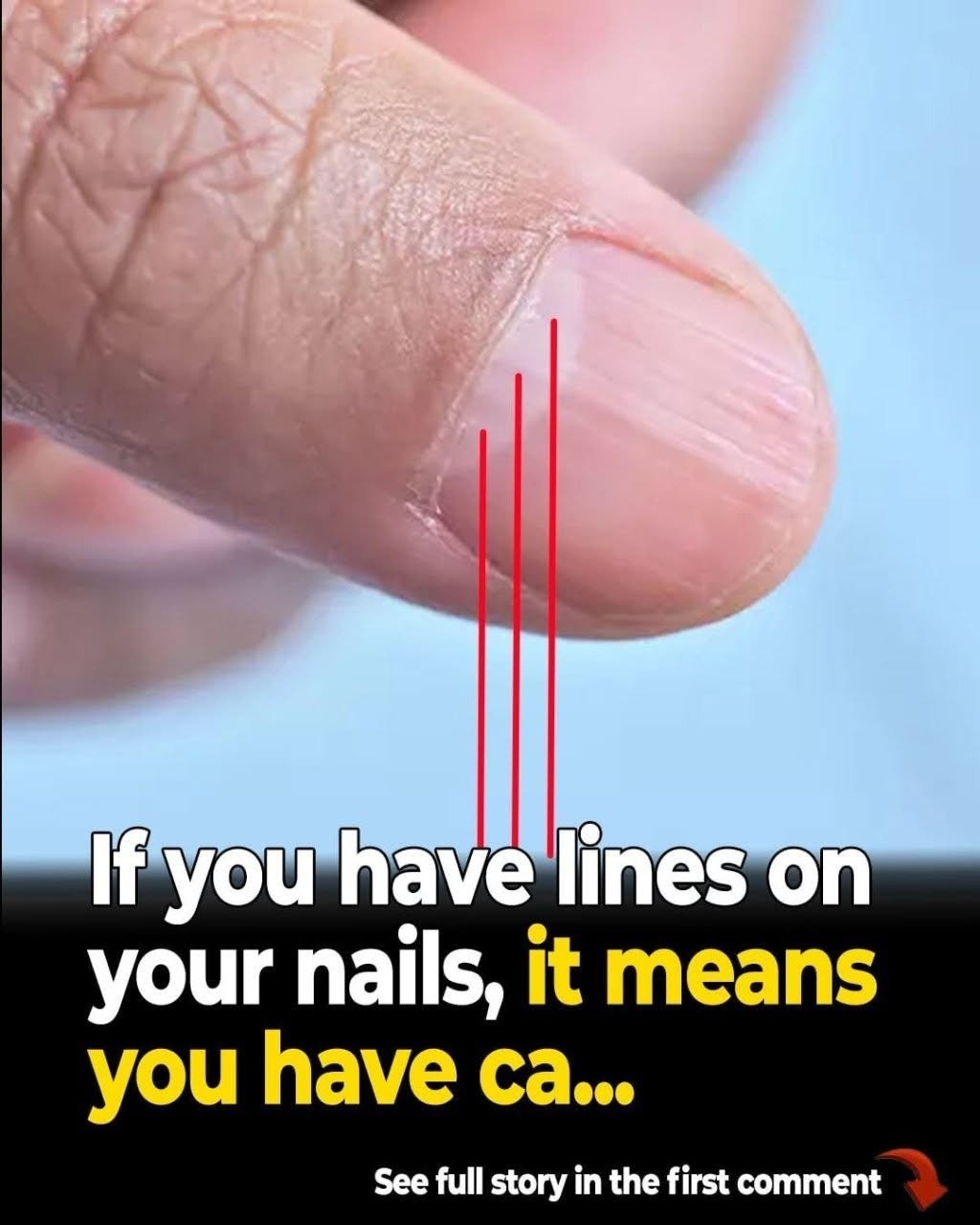
When sensationalized wellness headlines scream, “Doctor Uncovers A Telltale Sign In Your Fingernails That May Predict Your Life Expectancy,” they are capitalizing on a kernel of clinical truth—that our fingernails can indeed reflect systemic health—and turning it into an apocalyptic, clickbait fortune-telling trick.
From a clinical dermatology and internal medicine perspective, fingernails act as miniature medical billboards. Because nail growth is tied directly to your peripheral circulation, metabolic rate, and nutritional status, sudden or chronic shifts in nail texture, color, or shape can sometimes offer clues about underlying health conditions. However, they are diagnostic indicators, not crystal balls predicting your lifespan.
The Reality Behind Nail Signs and Systemic Health
-
What Clinicians Actually Look For: Physicians and dermatologists examine nails for specific structural changes that correlate with internal physiological stress. For example:
-
Clubbing (Enlarged fingertips with downward-curving nails): Can sometimes indicate chronic low blood oxygen levels associated with pulmonary or cardiovascular conditions.
-
Beau’s Lines (Horizontal depressions across the nail): Show a temporary pause in nail growth caused by a severe systemic illness, high fever, or acute physiological stress weeks prior.
-
Nail Bed Discoloration (Pale or extremely blue nail beds): Can reflect anemia or compromised peripheral circulation.
-
-
The Scientific Leap: Clickbait takes these genuine diagnostic observations and stretches them into sensational claims that a simple glance at your fingernails can determine how long you will live, ignoring genetic diversity, lifestyle choices, and comprehensive medical screenings.
-
Everyday Changes vs. Serious Indicators: Many nail changes are completely benign and harmless. Brittle nails, minor white spots (leukonychia), or vertical ridges are often simply the result of natural aging, mild dryness, or minor daily trauma rather than a hidden ticking clock.
Evidence-Based Ways to Support Nail Health and Vitality
If you want to support your nails from the inside out, clinical dermatology points to foundational health habits rather than quick fixes:
-
Nourish with Protein and Biotin: Nails are built from a tough protein called keratin. Ensuring adequate dietary protein, healthy fats, and B-vitamins (including biotin found in eggs, nuts, and sweet potatoes) supports strong structural growth.
-
Maintain Healthy Hydration: Just like skin, nail beds and cuticles lose moisture easily. Using gentle, fragrance-free hand creams and keeping nails moisturized prevents painful splitting and peeling.
-
Consult a Healthcare Provider for Persistent Changes: If you notice sudden, dramatic changes in your nail shape, persistent dark streaks under the nail plate, or severe clubbing, don’t rely on online quizzes—schedule an evaluation with your primary care doctor or a dermatologist.
Are you looking into routine health screenings, or exploring ways to support overall vitality and wellness as you age?
