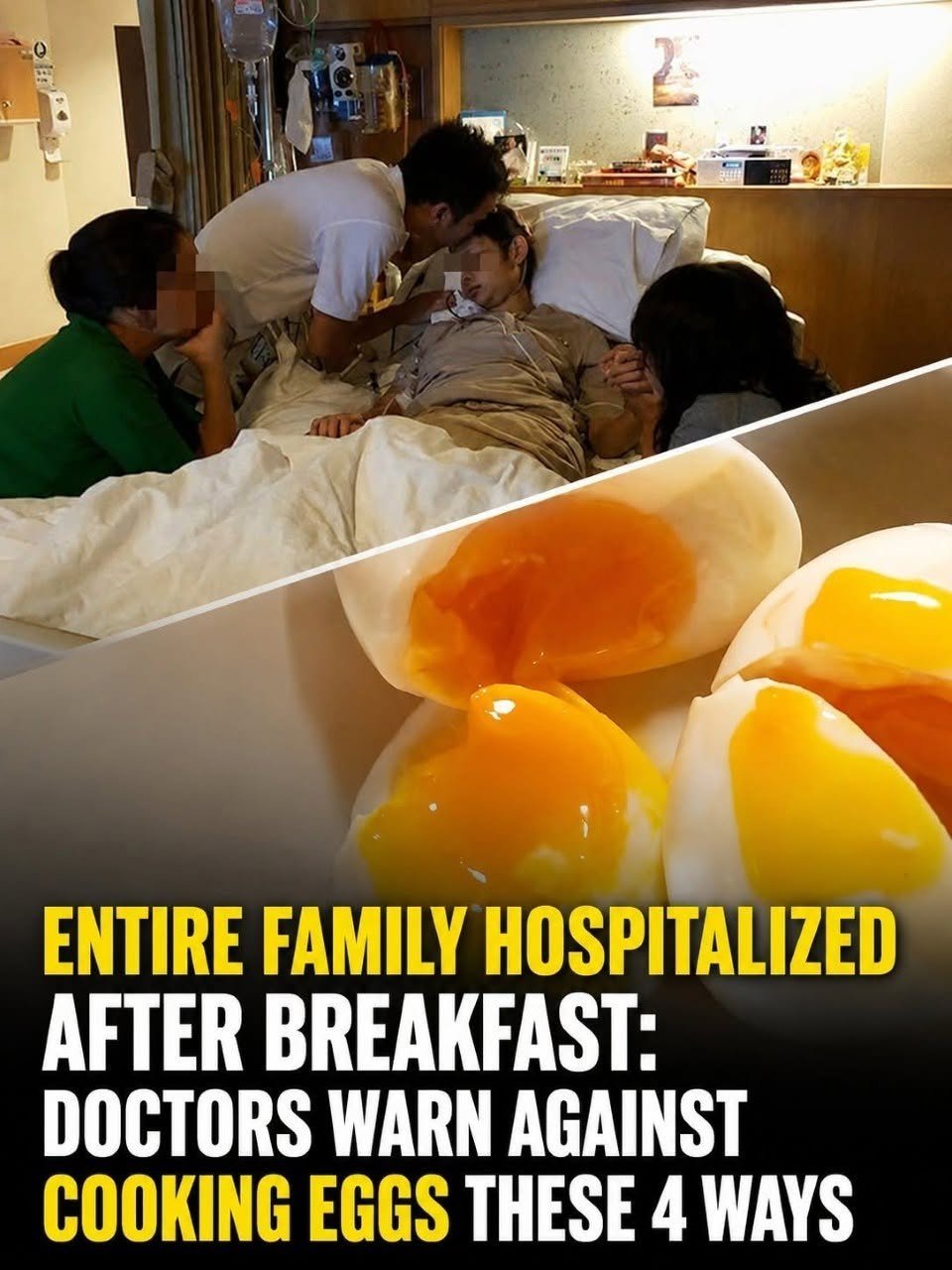
When alarmist health headlines warn, “Doctors Warn: Stop Cooking Eggs These 4 Ways Before Your Next Breakfast!” they rely on fear-based hyperbole to turn everyday culinary practices into supposed medical hazards.
Eggs are one of the most nutrient-dense, affordable whole foods available. While food safety and nutrient preservation matter, standard cooking methods do not suddenly transform a healthy breakfast into a toxic threat.
The Reality of Cooking Eggs
Different cooking techniques alter the texture, fat content, and minor aspects of nutrient retention, but they are all fundamentally safe when basic kitchen hygiene is applied:
-
Boiling and Poaching: These methods use water or steam, adding zero extra dietary fats or calories while preserving the delicate proteins and vitamins within the egg.
-
Frying and Scrambling: Using butter, ghee, or oils adds calories and fats, which can influence your overall daily caloric and lipid intake depending on what you use and how much. However, healthy fats (like olive oil or avocado oil) can actually enhance your body’s absorption of fat-soluble vitamins (like Vitamin D, E, and K) found in the egg yolk.
-
Baking and Coddling: Gentle dry or moist heat cooks the egg evenly without requiring excessive added fats.
What Clickbait “Warning Lists” Exaggerate
Sensationalized posts typically manufacture alarm around a few common themes:
-
The “Toxic Chemical” Myth: Clickbait articles often claim that cooking eggs in butter or vegetable oil creates dangerous toxins or instantly ruins your metabolism. In reality, standard stovetop cooking temperatures do not magically transform whole foods into poisons.
-
The “Zero Nutrition Left” Fallacy: Some blogs argue that frying or scrambling destroys all the protein and vitamins. While high, prolonged heat can slightly oxidize cholesterol or marginally reduce heat-sensitive vitamins, an egg remains an exceptional source of high-quality protein, choline, and trace minerals regardless of how it is cooked.
Practical Kitchen and Food Safety Considerations
Instead of fearing specific cooking styles, focusing on actual kitchen safety ensures a healthy meal every time:
-
Preventing Foodborne Illness: The primary clinical concern with eggs is Salmonella. Ensure that whites are fully set and yolks are cooked to your comfort level (or use pasteurized eggs if preparing raw or lightly cooked dishes like homemade mayonnaise or hollandaise), especially when cooking for vulnerable populations like young children, pregnant individuals, or older adults.
-
Mind Your Cooking Fats: If you are monitoring your cardiovascular health or daily calorie intake, pay attention to what you cook your eggs in. Swapping heavy drenchings of butter or processed margarines for moderate amounts of heart-healthy plant oils is a great, evidence-based adjustment.
The Bottom Line
There is no secret medical ban on how you cook your eggs. Whether you prefer them hard-boiled, poached, scrambled, or fried in a touch of olive oil, eggs remain a powerhouse of nutrition. Enjoy your breakfast with confidence—no internet panic required.
