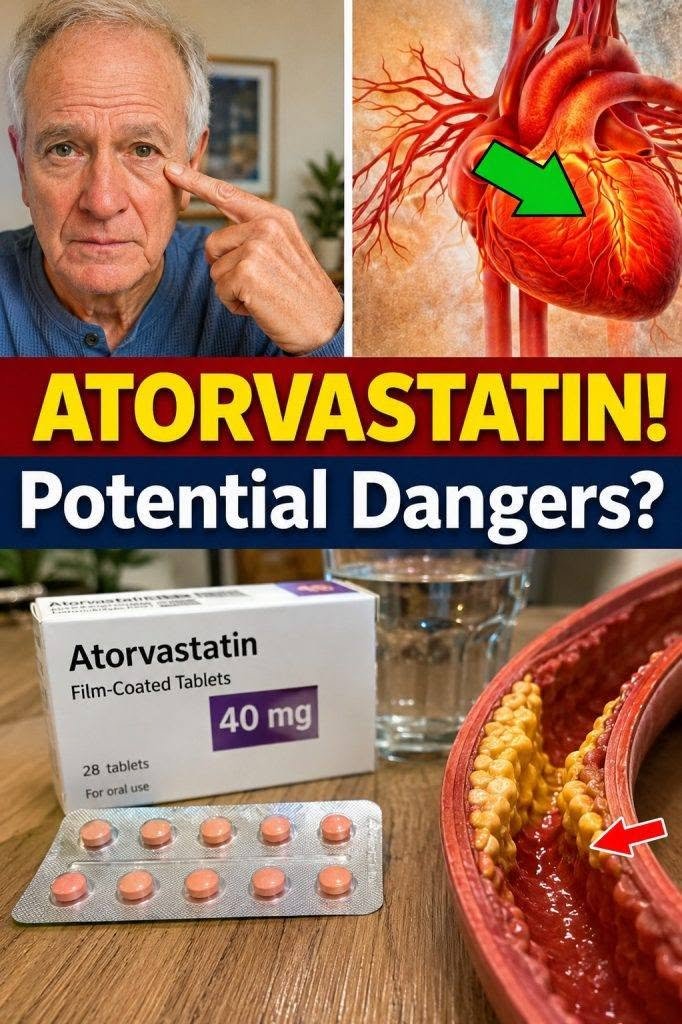
When a common prescription medication like atorvastatin (commonly known by its brand name Lipitor) is prescribed to millions of people worldwide, it frequently attracts online myths, exaggerated fears of side effects, and conflicting advice.
As part of managing cardiovascular health and lowering cholesterol, atorvastatin belongs to a class of medications called statins, which are among the most thoroughly studied and life-saving drugs in modern medicine.
Let’s cut through the internet noise and examine what you actually need to know about atorvastatin, its benefits, its potential side effects, and how clinicians monitor its use.
What Is Atorvastatin and Why Is It Prescribed?
Atorvastatin is a statin medication designed to reduce levels of low-density lipoprotein (LDL) cholesterol—often referred to as “bad” cholesterol—along with triglycerides, while modestly raising high-density lipoprotein (HDL) or “good” cholesterol.
By lowering LDL cholesterol, atorvastatin slows down the buildup of atherosclerotic plaques in the arteries, significantly reducing the risk of heart attacks, strokes, and cardiovascular death in individuals with heart disease or significant risk factors.
15 Key Things Worth Knowing About Atorvastatin
1. It Works by Blocking a Liver Enzyme
Atorvastatin inhibits HMG-CoA reductase, an enzyme in the liver that plays a central role in producing cholesterol. By blocking this pathway, the liver clears more LDL cholesterol out of your bloodstream.
2. The Vast Majority of People Tolerate It Well
While social media forums are filled with horror stories, clinical trials and large-scale real-world studies show that most patients take atorvastatin daily with little to no noticeable side effects.
3. Muscle Aches Are the Most Common Complaint
The most frequently reported side effect is mild muscle soreness, aching, or weakness (myalgia). However, true statin-induced muscle damage is rare.
4. Serious Muscle Damage (Rhabdomyolysis) Is Very Rare
A severe condition called rhabdomyolysis—where muscle tissue breaks down rapidly, releasing proteins into the blood that can harm the kidneys—occurs in a tiny fraction of patients (fewer than 1 in 10,000). Severe, unexplained muscle pain accompanied by dark urine requires immediate medical evaluation.
5. Liver Enzyme Elevations Can Occur
Atorvastatin can occasionally cause a mild, temporary rise in liver enzymes. Doctors routinely check baseline liver function through blood tests before starting the medication and monitor as clinically indicated. True, severe liver injury from statins is exceedingly rare.
6. A Slight Increase in Blood Sugar Risk Exists
Statins can cause a very small, incremental increase in blood sugar levels, occasionally tipping prediabetes into mild type 2 diabetes. However, for the vast majority of patients, the cardiovascular benefits of preventing a heart attack or stroke vastly outweigh this metabolic trade-off.
7. Grapefruit Juice Can Interact with It
Grapefruit and grapefruit juice contain compounds (furanocoumarins) that inhibit an enzyme in your small intestine (CYP3A4) responsible for breaking down atorvastatin. This can cause higher-than-intended levels of the medication to enter your bloodstream, potentially increasing side effect risks. Occasional small amounts are usually fine, but daily consumption should be discussed with your doctor.
8. Consistency Matters More Than Time of Day
Unlike older statins with short half-lives that needed to be taken at night, atorvastatin has a long half-life in the body. It can be taken at any time of day, though taking it at the same time every day helps build a reliable routine.
9. It is Not Just for People Who Already Have Heart Disease
Doctors prescribe atorvastatin for two primary reasons: secondary prevention (for people who have already experienced a heart attack, stroke, or stent placement) and primary prevention (for individuals with high cholesterol, diabetes, or elevated 10-year cardiovascular risk scores to prevent a first event).
10. Coenzyme Q10 (CoQ10) Is Sometimes Discussed
Because statins can slightly lower levels of CoQ10 (an antioxidant involved in cellular energy production), some patients explore CoQ10 supplements to manage mild muscle aches. While research on its universal effectiveness is mixed, many clinicians find it helpful for specific individuals experiencing mild discomfort.
11. It Does Not Replace a Healthy Lifestyle
Atorvastatin is a powerful tool, but it is not a free pass to ignore diet and exercise. Combining atorvastatin with a heart-healthy diet (like the Mediterranean pattern), regular physical activity, and avoiding smoking produces the best cardiovascular outcomes.
12. Never Stop Taking It Without Consulting Your Doctor
Stopping a statin abruptly—especially if you have established heart disease or a stent—can lead to a “rebound” effect in cholesterol levels and increase your acute risk of a cardiovascular event. Always talk to your physician if you have concerns about your dose.
13. It Can Be Combined with Other Medications
If lifestyle changes and a moderate dose of atorvastatin do not bring LDL cholesterol down to target levels, doctors can safely combine it with other lipid-lowering agents, such as ezetimibe.
14. Pregnancy and Breastfeeding Contraindication
Atorvastatin is classified as a medication to avoid during pregnancy and breastfeeding, as cholesterol is critical for fetal development. Women of childbearing potential taking statins should use effective contraception and consult their doctor immediately if they plan to become pregnant.
15. Your Doctor Tailors the Dose to Your Risk Profile
There is no “one-size-fits-all” dose. Your physician determines whether you need a low, moderate, or high-intensity dose based on your individual cardiovascular risk score, age, and blood test results.
When to Contact Your Healthcare Provider
If you are taking atorvastatin and experience unexplained, severe muscle pain, tenderness, or weakness (especially if accompanied by fatigue or dark urine), or if you experience unexplained yellowing of the skin or eyes (jaundice), contact your doctor promptly for an evaluation.
