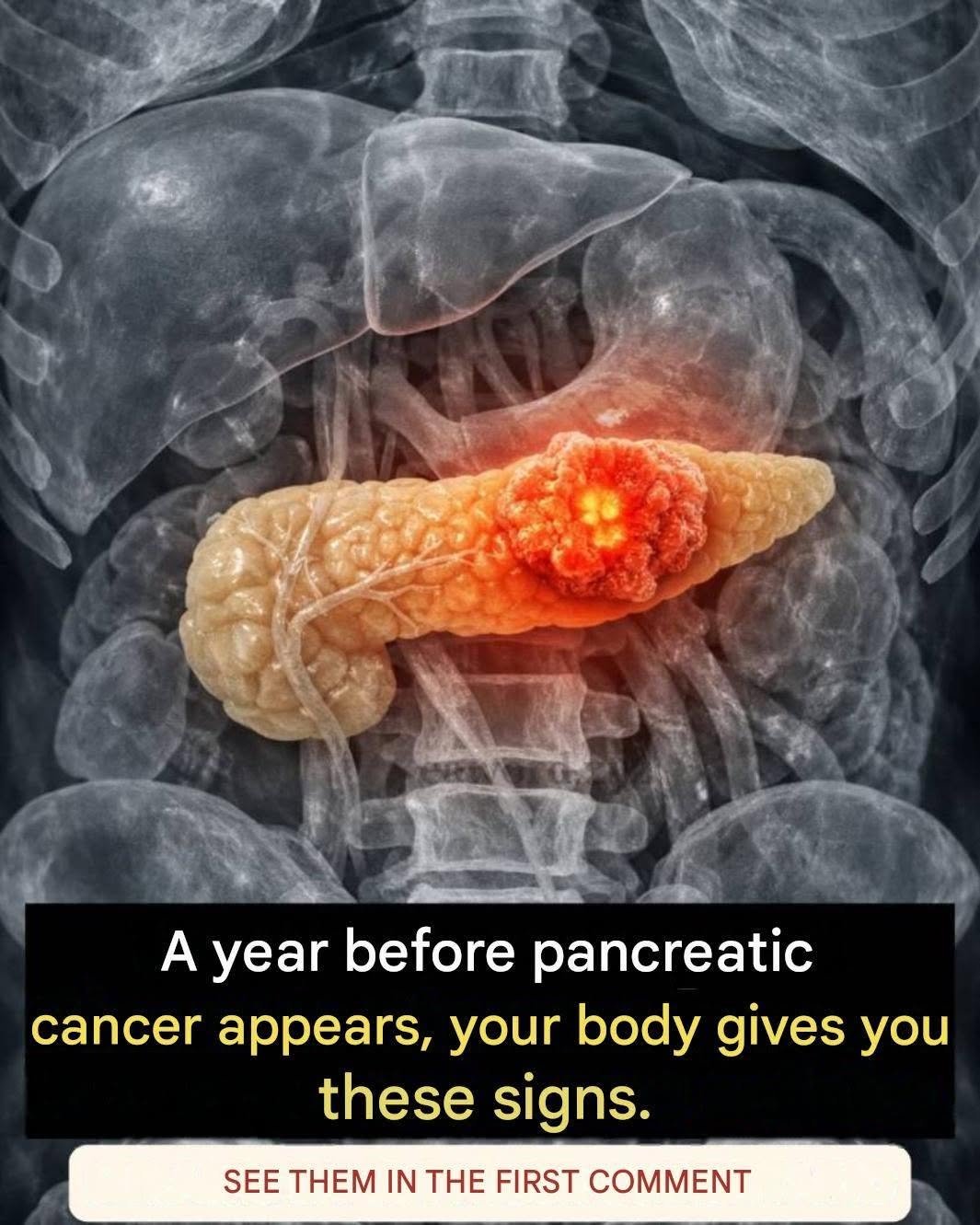
Pancreatic cancer is frequently referred to as a “silent disease” because the pancreas is deeply embedded behind other organs in the abdomen, and tumors can grow quite large without pressing on surrounding nerves or structures. Consequently, early-stage symptoms are often subtle, vague, and easily mistaken for common digestive complaints.
Medical specialists emphasize paying close attention to persistent, unexplained changes in your body. The key warning signs that should never be ignored include:
1. Unexplained and Rapid Weight Loss
-
What it looks like: Dropping significant weight (such as 5% or more of your body weight) over a few weeks or months without making any changes to your diet, exercise habits, or lifestyle.
-
Why it happens: The pancreas produces vital enzymes needed to digest food and absorb nutrients. When a tumor disrupts these functions—or alters how your body processes calories and protein—malabsorption and loss of appetite quickly follow.
2. Pain in the Upper Abdomen or Mid-Back
-
What it looks like: A dull, persistent ache in the upper abdomen that often wraps around to the mid-back like a band. It may temporarily worsen after eating or when lying flat, sometimes easing slightly when leaning forward.
-
Why it happens: As a tumor grows—particularly in the body or tail of the pancreas—it can begin pressing against nearby nerve networks or surrounding abdominal organs.
3. Jaundice (Yellowing of the Skin and Eyes)
-
What it looks like: The whites of your eyes or your skin take on a yellowish tint. This is frequently accompanied by dark, tea-colored urine, unusually pale or clay-colored stools, and intense, whole-body skin itching.
-
Why it happens: If a tumor develops in the head of the pancreas, it can obstruct the common bile duct, preventing bile from flowing properly into the small intestine and causing a buildup of bilirubin in the bloodstream. Unlike jaundice caused by gallstones, this type typically develops gradually and is often painless.
4. New-Onset Diabetes (or Suddenly Unmanageable Blood Sugar)
-
What it looks like: Being diagnosed with type 2 diabetes later in life (especially without risk factors like severe obesity), or experiencing a sudden, unexplained loss of control in blood sugar levels that were previously well-managed.
-
Why it happens: The pancreas is responsible for producing insulin. Disruptions caused by cancerous cells can impair insulin production, making sudden blood sugar dysregulation an early metabolic warning flag.
5. Persistent Digestive Disturbances and Changes in Stool
-
What it looks like: Chronic bloating, feeling abnormally full after eating only a small meal (early satiety), nausea, frequent indigestion, or passing foul-smelling, greasy, or floating stools (steatorrhea) that are difficult to flush.
-
Why it happens: A lack of sufficient pancreatic digestive enzymes prevents fats and nutrients from being properly broken down, altering bowel habits and producing floating, oily waste.
When to See a Doctor
While these symptoms are far more commonly linked to benign gastrointestinal conditions—such as irritable bowel syndrome (IBS), gastritis, or gallstones—they warrant medical evaluation if they are persistent, progressive, or new for you.
If you experience unexplained weight loss paired with upper abdominal or back discomfort, or any instance of unexplained jaundice, consult a physician promptly for targeted diagnostic imaging and blood work.
