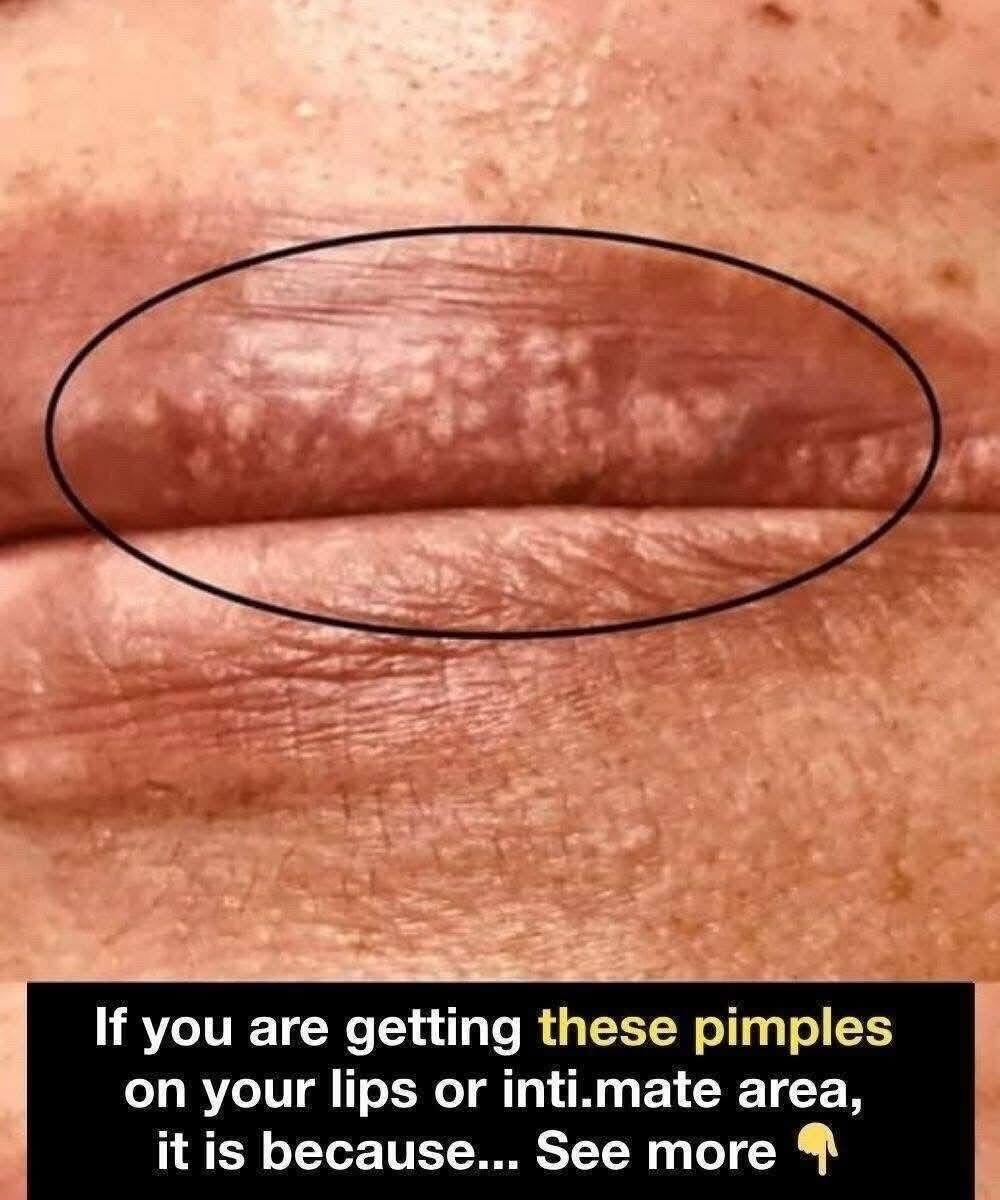
Finding bump or pimple-like lesions on both the lips (oral region) and the intimate area can stem from a few different overlapping physiological processes, normal anatomical structures, or shared skin conditions.
Depending on what the bumps look and feel like, the most common reasons include:
1. Fordyce Spots (Normal Anatomical Structures)
-
What they are: Tiny, painless, pale-white, or yellowish spots that are actually enlarged, completely normal oil (sebaceous) glands.
-
Why they appear in both places: Fordyce spots occur naturally in areas with high concentrations of sebaceous glands or transitional skin zones. They are very commonly found along the border of the lips as well as on the labia or shaft of the genitals. They are harmless, require no treatment, and are not contagious.
2. Folliculitis and Ingrown Hairs
-
What they are: Small, tender, red, or pus-filled bumps that develop when hair follicles become irritated, blocked, or infected by bacteria.
-
Why they appear in both places: While the face and upper lip feature dense hair follicles and oil glands prone to standard acne and folliculitis, the pubic and intimate regions are equally vulnerable due to friction from clothing, sweat, and hair removal methods (like shaving or waxing) that trap hairs under the skin.
3. Contact Dermatitis or Local Irritation
-
What it is: An inflammatory skin reaction triggered when sensitive skin comes into contact with an allergen or irritant.
-
Why they appear in both places: Both the lips and the delicate mucosal tissue of the intimate area feature thin, highly sensitive skin. Chemical irritants found in scented lip balms, toothpastes, laundry detergents, soaps, lotions, or synthetic fabrics can easily trigger localized, pimple-like allergic bumps or rashes in either location.
4. Viral Infections (Herpes Simplex Virus)
-
What it is: The herpes simplex virus (HSV) can manifest as small, clustered, fluid-filled blisters that eventually rupture and crust over.
-
Why they appear in both places: HSV-1 is classically associated with oral cold sores on the lips, while HSV-2 typically affects the genital region. However, because HSV-1 can be transmitted to the genital area via oral contact, similar viral lesions can occasionally appear in either location during an outbreak.
Key Takeaways & When to See a Doctor
-
Do not squeeze or pick at bumps in either area, as this can worsen bacterial spread, cause scarring, or lead to secondary infections.
-
Consult a healthcare professional if the lesions are intensely painful, persistent, spreading rapidly, accompanied by systemic symptoms like fever, or if you suspect an infection or sexually transmitted infection (STI). A proper physical evaluation is necessary to provide an accurate diagnosis and targeted treatment plan.
