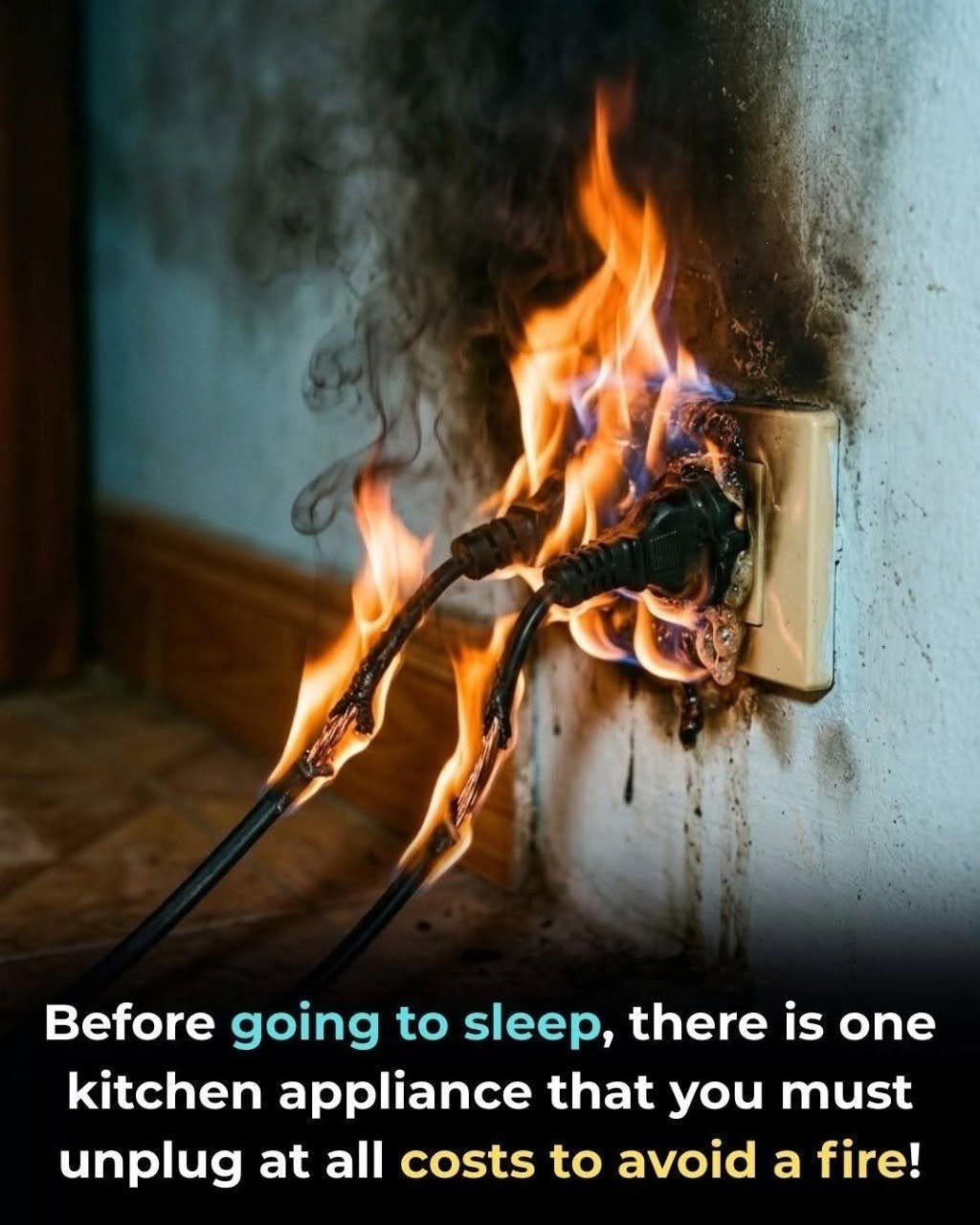
When clickbait headlines proclaim that you must unplug a specific kitchen appliance “at all costs” before going to bed to avoid a house fire, it is designed to trigger immediate panic. While electrical safety is undeniably important, blanket rules telling you to rip plugs out of the wall every single night can be both impractical and misleading.
Fire marshals and electrical safety organizations emphasize that there is no single kitchen appliance that every household must unplug every single night. Instead, fire safety is about understanding which appliances pose genuine heating risks, maintaining your cords, and knowing how modern kitchen engineering protects your home.
The Reality Behind Kitchen Appliance Fire Risks
Rather than living in fear of your entire kitchen, fire safety experts focus on specific risk categories:
1. High-Heat Heating Appliances (Toasters, Toaster Ovens, and Air Fryers)
-
The Risk: Appliances with exposed heating elements or heavy electrical draws (like toasters where crumbs can accumulate) pose a fire hazard if a mechanical switch malfunctions or if flammable objects (like a paper towel or dishtowel) accidentally rest against them.
-
The Best Practice: While you don’t necessarily need to unplug your toaster every single night if it is clean and away from combustibles, making sure toaster ovens and air fryers are completely powered down—and keeping counters entirely clear of clutter—is a smart, preventative habit.
2. Coffee Makers and Kettles with Heating Plates
-
The Risk: Leaving a traditional drip coffee maker powered on with the burner active overnight is a well-documented fire hazard.
-
The Best Practice: Modern coffee makers and electric kettles almost universally feature automatic shut-off mechanisms. However, if you have an older appliance without auto-shutoff, making sure it is turned off at the outlet—or better yet, upgrading to a modern model with built-in safety cutoffs—is essential.
3. Refrigerators, Dishwashers, and Built-In Ranges
-
Misconception: Clickbait articles sometimes suggest unplugging large, heavy appliances like refrigerators before bed. Never attempt to unplug your refrigerator or built-in range daily. Refrigerators must run continuously to keep food safely out of the bacterial danger zone, and pulling heavy appliances out risks damaging their electrical cords or gas lines.
Smart, Practical Kitchen Fire Safety Habits
Instead of stressing over routine nightly unplugging, you can keep your home safe with a few simple, common-sense habits:
-
Clear the Countertops: Never store dishtowels, paper towels, plastic packaging, or wooden boards directly next to or on top of toaster ovens, air fryers, or stovetops.
-
Inspect Your Cords: Periodically check appliance cords for fraying, cracking, or loose plug prongs. Never run appliance cords under rugs or pinch them behind heavy furniture.
-
Avoid Extension Cords for High-Draw Appliances: Major kitchen appliances should always be plugged directly into wall outlets rather than daisy-chained power strips or lightweight extension cords, which can overheat.
-
Test Your Smoke Alarms: The single most effective line of defense for home fire safety is ensuring your kitchen and hallway smoke detectors have working batteries tested twice a year.
Are you reviewing home safety tips for your kitchen, or looking into specific ways to make your home more secure for older adults or family members?
