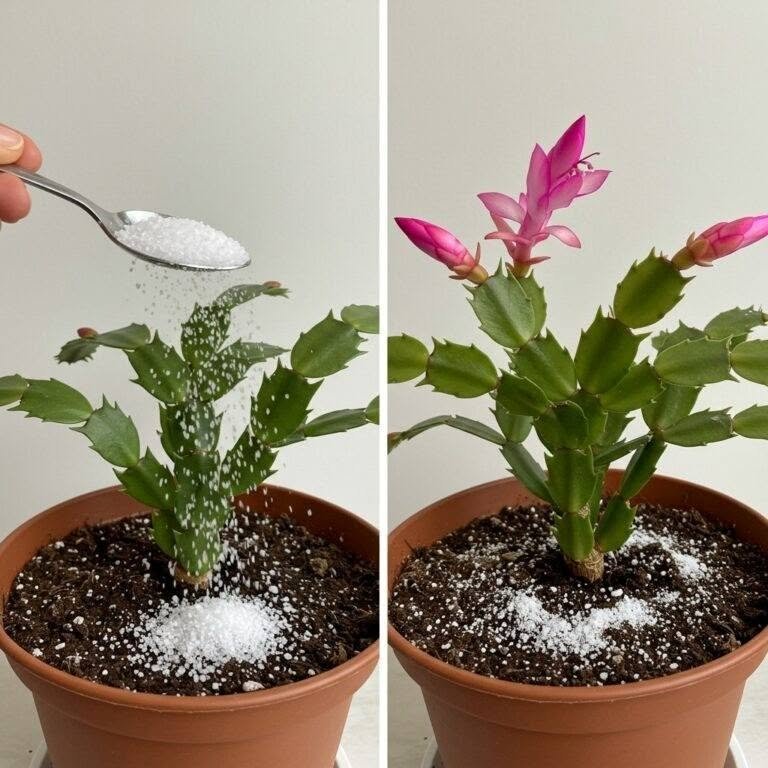
When online gardening blogs tease headlines like “Fall Awakening: Breathing Life into House Flowers with a Little Secret,” they tap into the universal desire to rescue drooping indoor plants from seasonal fatigue using a mysterious, magical trick.
In botanical reality, breathing new life into tired houseplants as the seasons change doesn’t depend on an obscure secret ingredient or a miracle tonic. Instead, it relies on understanding how indoor plants adapt to shifts in light, temperature, and day length.
What Clickbait “Houseplant Secrets” Get Wrong
-
The “Instant Magic Potion” Fallacy: Clickbait articles love to pitch secret kitchen mixtures—like milk rinses, coffee grounds, or random vitamin concoctions—as universal panaceas for indoor plants, often ignoring proper soil chemistry and drainage.
-
Ignoring Seasonal Dormancy: Sensationalized guides often push aggressive growth tactics (like heavy fertilizing) during cooler, darker months, confusing a plant’s natural rest cycle with a deficiency that needs forcing.
The Horticultural Reality: Managing Environmental Shifts
Horticulturists and indoor plant specialists look at transitional seasonal care through the lens of changing photoperiods and indoor microclimates:
-
Light Intensity and Photoperiod Drops: As autumn and winter arrive, the sun sits lower in the sky, and daylight hours shorten drastically. Because indoor plants rely on light for photosynthesis, this sudden drop in energy causes many species to slow down growth or experience mild leaf drop. Moving light-loving plants closer to windows helps them maximize available lumens.
-
The Central Heating Dilemma: Turning on indoor heating systems dries out ambient air and creates temperature volatility. Low humidity often manifests as crisp, brown leaf tips, while proximity to hot radiators can stress foliage.
-
Overwatering Hazards: Because plants grow more slowly during lower-light months, their roots consume water much more slowly. Continuing a heavy summer watering schedule inevitably leads to waterlogged soil and root rot.
Evidence-Based Steps to Reinvigorate Your Indoor Garden
If your indoor flowers or foliage plants look a little lackluster, skip the unverified internet secrets and focus on these foundational plant-care adjustments:
-
Optimize Light Placement: Shift sun-loving plants (like succulents or tropical bloomers) to south- or west-facing windowsills where they can soak up every possible ray of natural light.
-
Adjust Your Watering Cadence: Always check the soil moisture inches deep before watering rather than sticking to a rigid calendar schedule. Let the soil dry out appropriately between drinks to protect root health.
-
Manage Ambient Humidity: Group plants together to create a localized microclimate, or use a room humidifier rather than relying on ineffective surface misting, keeping them safely away from dry heat vents.
-
Pause the Fertilizer: Resist the urge to feed plants during their resting phase; forcing growth when light is scarce only stresses the plant. Save regular feeding for the active spring growth cycle.
