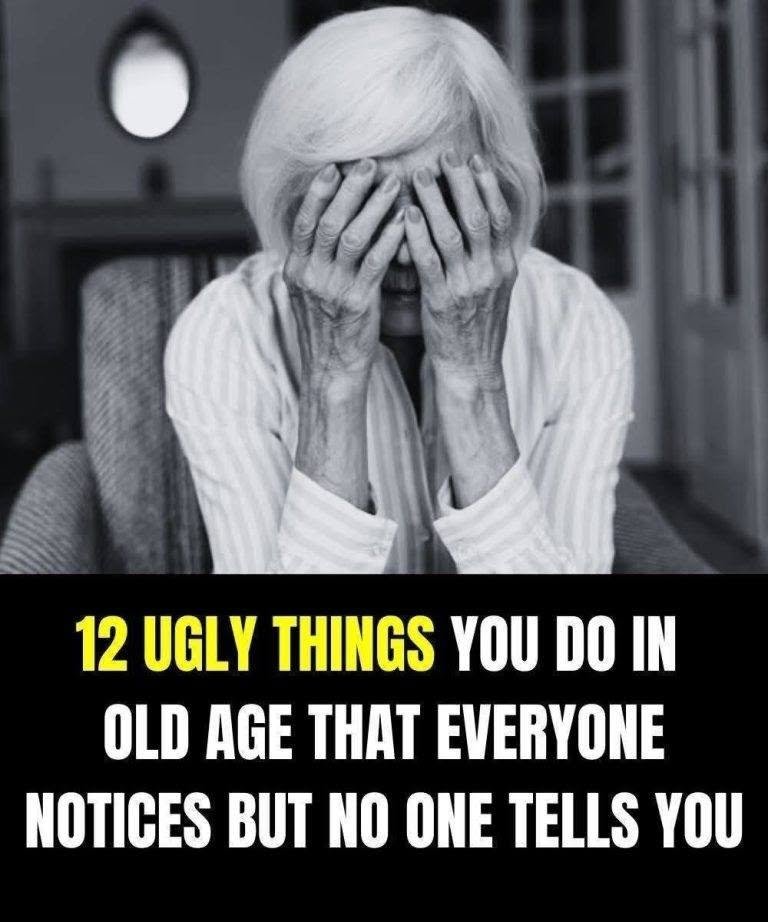
Clickbait lifestyle and opinion blogs love running aggressive, anxiety-inducing headlines like “12 nasty things you do in old age that everyone notices, but no one dares to tell you.”
These articles rely heavily on shock value, playing on universal anxieties about aging, bodily changes, and social judgment. They often take completely normal physiological shifts or sensory changes and frame them as embarrassing personal failures.
Gerontologists, doctors, and family caregivers look past the sensationalized shaming to examine what is actually happening behind these common age-related shifts:
The Reality Behind “Nasty” Aging Stereotypes
1. Olfactory Changes and Body Odor (The “Old House” or Personal Scent)
-
The Clickbait Spin: Suggesting older adults neglect hygiene or don’t realize they smell.
-
The Science: As we age, our skin produces a chemical compound called 2-nonenal due to lipid oxidation. Unlike typical sweat odors, nonenal is not water-soluble and doesn’t wash away easily with standard soap, creating a distinct, harmless musky scent that naturally occurs with aging. Furthermore, our sense of smell (olfactory function) declines significantly over time, meaning older adults genuinely cannot smell things as strongly as they used to.
2. Changes in Grooming, Clothing Care, and Clutter
-
The Clickbait Spin: Accusing seniors of becoming slovenly or indifferent to their appearance.
-
The Reality: Progressive loss of fine motor skills, arthritis in the hands, declining vision, or chronic fatigue can make tasks like buttoning shirts, tying shoes, clipping toenails, or heavy house cleaning physically painful or exhausting. What looks like “negligence” is often a coping mechanism for physical limitations.
3. Dietary Habits and Eating Etiquette
-
The Clickbait Spin: Listing eccentric food hoarding or messy eating habits as social taboos.
-
The Reality: Taste buds atrophy with age, and dry mouth (often caused by common medications) changes how food is perceived, leading people to over-season or crave intensely flavored foods. Additionally, dental issues or ill-fitting dentures can genuinely make eating mechanically difficult.
Why Shaming Headlines Miss the Mark
Articles that use words like “nasty” to describe the realities of aging do a disservice by replacing empathy with judgment. When older adults experience shifts in personal care, housekeeping, or sensory awareness, it is almost never out of carelessness—it is usually a sign that they could use a little extra practical support, adaptive tools, or a gentle check-in from loved ones.
The Takeaway: Aging brings physical and sensory shifts that require patience, not mockery. Approaching these changes with compassion and practical assistance helps preserve dignity and comfort for everyone.
Would you like to explore tips on supporting aging loved ones with empathy, or shift back to another household or wellness topic?
