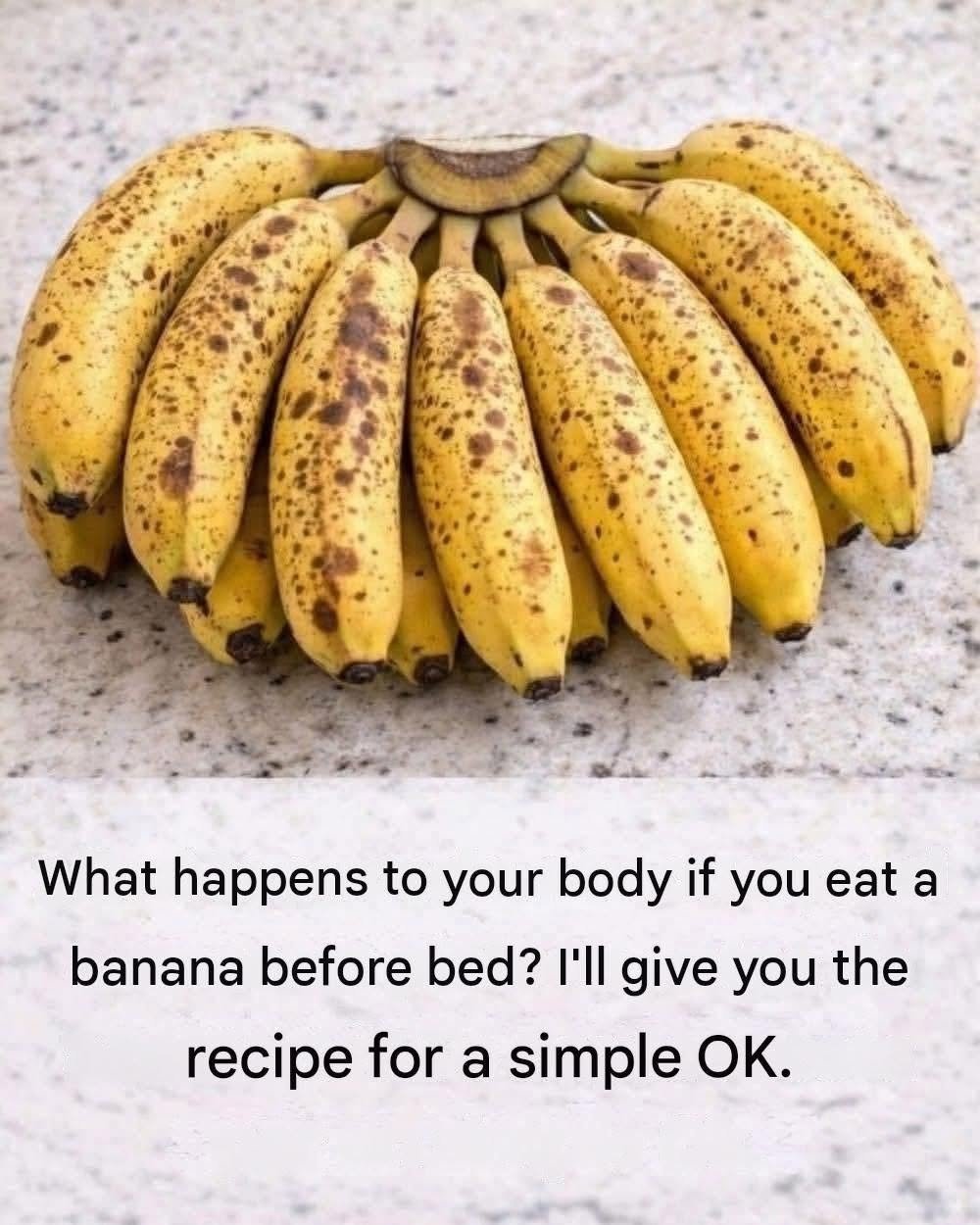
Headlines or incomplete search prompts warning that eating bananas at night will increase a specific condition rely on classic wellness clickbait, taking a wholesome, nutrient-dense fruit and framing its natural physiological effects as an alarming nocturnal threat.
When you look past the internet exaggeration and examine the actual biochemistry of bananas, consuming one in the evening does not trigger sudden health crises or metabolic damage. Instead, understanding its true nutritional profile clarifies how it interacts with your body at the end of the day.
Why “Evening Banana” Clickbait Misleads
Sensationalized health and diet posts thrive on arbitrary timing rules and fear-based nutritional myths:
-
The “Nighttime Metabolism” Fallacy: Articles often claim that because your metabolic rate slows down while you sleep, any carbohydrates consumed in the evening instantly convert into stored body fat. In reality, human energy balance operates on a 24-hour thermodynamic cycle determined by total caloric intake and expenditure, not by the specific hour at which you consume a piece of whole fruit.
-
Exaggerated Digestion Fears: Some viral wellness posts argue that bananas are too “heavy” or starchy to eat before bed, claiming they sit in the stomach and cause severe acid reflux or sluggish digestion. While high-fat, greasy meals can genuinely disrupt sleep by delaying gastric emptying, a standard, easily digestible banana rarely causes structural digestive distress for healthy individuals.
The Real Physiological Effects of Eating Bananas at Night
Far from causing harm, the unique micronutrient profile of a banana actually offers several supportive, beneficial physiological interactions when consumed in the evening:
-
Magnesium and Potassium (Muscle Relaxation): Bananas are rich in essential electrolytes like potassium and magnesium. These minerals act as natural vasodilators and smooth muscle relaxants, helping to prevent nocturnal muscle cramps, restless legs, and general physical tension as you wind down.
-
Vitamin B6 and Tryptophan (Sleep Hormone Synthesis): Bananas contain vitamin B6, which acts as a crucial enzymatic cofactor required by the body to convert the amino acid tryptophan into serotonin and, ultimately, melatonin—the primary neurohormone responsible for regulating your circadian rhythm and facilitating deep, restorative sleep.
-
Complex Carbohydrates and Satiety: Providing around 100 calories of easily accessible, low-glycemic carbohydrates alongside dietary fiber, a banana can effectively stave off late-night hunger pangs that might otherwise drop your blood glucose too low and wake you up, without overloading your digestive system the way a heavy, processed snack would.
The Bottom Line
Ignore the viral clickbait trying to police when you eat fruit. Whether you enjoy a banana in the morning for quick morning energy or in the evening as a light, magnesium-rich bedtime snack, it remains a healthy, whole food choice that supports rather than sabotages your rest and metabolism.
