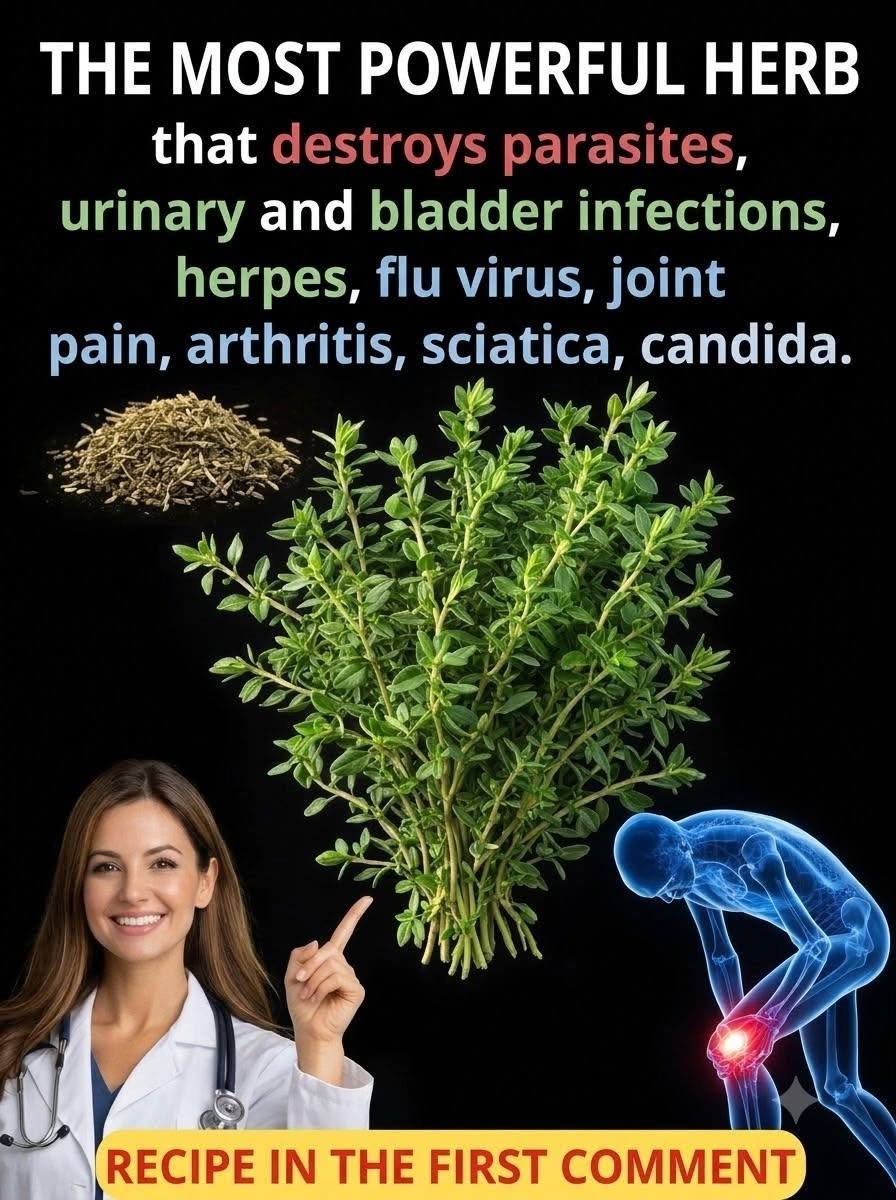
Viral health articles love declaring plants as “one of the most powerful plants in the world.” Whether the title is bestowed upon turmeric, ashwagandha, garlic, or aloe vera, these headlines pitch botanical remedies as secret cure-alls that can magically outperform modern medicine.
Botanists, pharmacologists, and medical researchers take a more nuanced approach. While the plant kingdom is an incredible pharmacy that has given us foundational medicines (like aspirin from willow bark and artemisinin from sweet wormwood), a plant’s “power” isn’t a mystical blanket cure—it is the result of specific, highly active biochemical compounds.
The Contenders for “Most Powerful” Plant
When science evaluates which plants pack the most potent pharmacological punch, a few standout powerhouses consistently lead the research:
1. Turmeric (Curcumin)
-
The Claim: A miracle anti-inflammatory that cures joint pain instantly and clears out toxins.
-
The Reality: Turmeric contains curcumin, a potent polyphenol with documented anti-inflammatory and antioxidant properties. However, its raw bioavailability is notoriously low—meaning your body struggles to absorb it on its own unless paired with black pepper (piperine) and fat. While it’s a fantastic addition to a healthy diet, it doesn’t replace targeted medical therapies for chronic inflammatory diseases.
2. Garlic (Allicin)
-
The Claim: A natural antibiotic that fights off infections better than pharmaceuticals.
-
The Reality: When raw garlic is crushed or chopped, an enzyme reaction creates allicin, a sulfur compound with genuine antimicrobial and cardiovascular-supporting properties. While it is a powerful culinary ally for immune support and heart health, calling it a direct replacement for clinical antibiotics is a dangerous misconception.
3. Ashwagandha (Withanolides)
-
The Claim: The ultimate stress-shredding adaptogen that balances all your hormones overnight.
-
The Reality: As an adaptogen, ashwagandha contains active compounds called withanolides that clinical studies show can help modulate the body’s cortisol response and ease mild anxiety. However, it’s not a universal fix; it interacts with certain thyroid and blood pressure medications and requires proper medical guidance.
The Golden Rule of Plant-Based Remedies
-
Natural Does Not Mean Inert: The very reason plants have “power” is because they produce active chemicals to deter predators or survive environments. Those same chemicals interact heavily with human biology—which means potent plants can have side effects, trigger allergic reactions, or dangerously interfere with prescription medications.
-
Food vs. Supplement: Using culinary herbs and spices in your daily cooking provides wonderful, low-risk antioxidant and anti-inflammatory benefits. Highly concentrated herbal extracts or mega-dose supplements, on the other hand, demand the same caution and medical oversight as any pharmaceutical drug.
The Takeaway: There is no single “most powerful” plant that holds the secret to all health. Instead, nature offers a rich library of functional botanicals that work best as part of a balanced, evidence-based lifestyle.
Are you looking into a specific herbal remedy or supplement, or would you like to explore another health and wellness topic?
