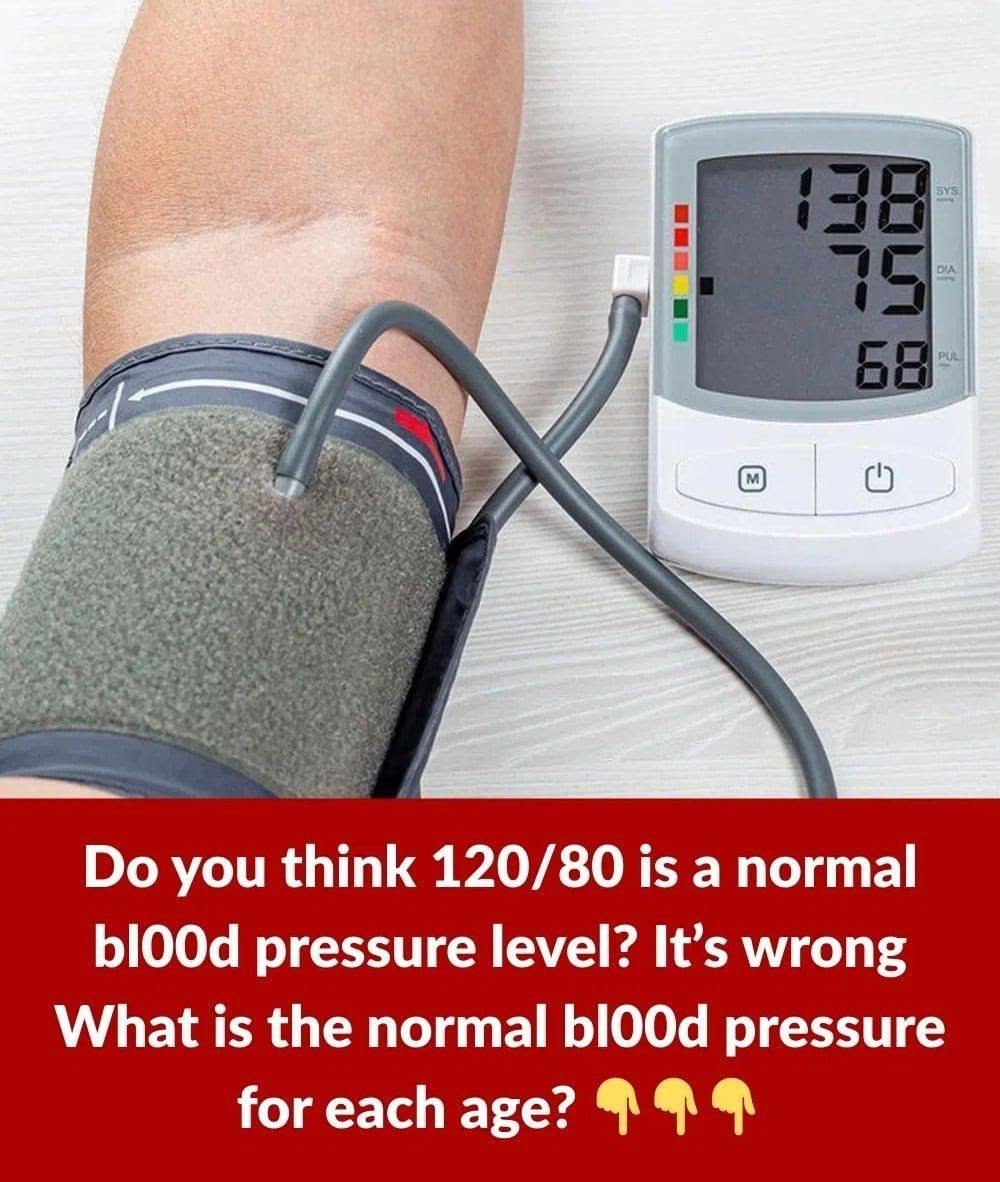
When people ask, “What is the normal blood pressure for each age?” they often expect to see a rising ladder where blood pressure naturally climbs higher and higher as you get older.
While it is true that average blood pressure tends to increase with age due to the natural stiffening of arteries, major medical organizations like the American Heart Association (AHA) and the American College of Cardiology emphasize that ideal blood pressure doesn’t actually change drastically from young adulthood onward.
Here is what the medical guidelines actually say about normal ranges across different life stages:
Blood Pressure Categories at a Glance
Every blood pressure reading consists of two numbers:
-
Systolic (top number): The pressure in your arteries when your heart beats.
-
Diastolic (bottom number): The pressure in your arteries when your heart rests between beats.
| Category | Systolic (Top) | Diastolic (Bottom) | |
| Normal | Less than 120 | and | Less than 80 |
| Elevated | 120–129 | and | Less than 80 |
| Stage 1 Hypertension | 130–139 | or | 80–89 |
| Stage 2 Hypertension | 140 or higher | or | 90 or higher |
How Normal Ranges Shift Across Age Groups
1. Children and Teens (Ages 3 to 18)
-
The Range: Unlike adults, pediatric blood pressure is not a fixed number. Because children grow rapidly, a “normal” reading depends entirely on the child’s age, height, and gender.
-
The Reality: Pediatricians use specialized percentile charts. For example, a healthy toddler will have a much lower reading (around 90/50 mmHg) than a tall teenager (who might safely sit around 110/70 mmHg).
2. Young to Middle-Aged Adults (Ages 19 to 60)
-
The Target: Less than 120/80 mmHg is the gold standard for all adults in this bracket.
-
The Reality: Catching “elevated” readings (120–129 systolic) during these decades is a helpful early warning sign, giving you a chance to adjust lifestyle factors like sodium intake, stress, sleep, and physical activity before it turns into chronic hypertension.
3. Older Adults (Ages 60 and Beyond)
-
The Target: While under 120/80 mmHg remains optimal, medical guidelines recognize that blood vessels naturally lose some elasticity with age. For adults over 60, doctors often consider a reading below 130/80 to 140/90 mmHg acceptable, depending on overall health, kidney function, and cardiovascular history, to prevent dizziness or fainting from over-medication.
Why Arteries Stiffening Doesn’t Mean High Blood Pressure is “Normal”
It is a common myth that having high blood pressure is just a harmless part of getting older. While arterial stiffening does happen over time, persistently high pressure forces the heart to work much harder and puts dangerous, ongoing strain on your blood vessels, kidneys, and brain.
The Medical Takeaway: Optimal blood pressure is remarkably consistent throughout adult life: under 120/80 mmHg. If your readings regularly creep higher, it’s always worth chatting with your physician to map out a personalized strategy.
Are you monitoring your blood pressure at home, or looking for practical ways to support heart health through diet and daily habits?
