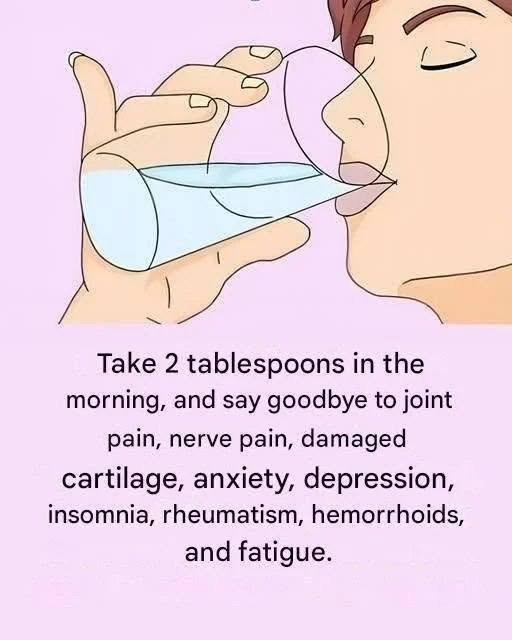
When sensationalized wellness ads or clickbait articles promote a “miracle natural remedy” promising to simultaneously cure bone pain and elevate your mental health, they are capitalizing on a common marketing hook: packaging complex, overlapping clinical symptoms into an easy-to-sell supplement or tonic.
While it is true that certain nutritional factors can influence both your skeletal and psychological well-being, no single herbal elixir or kitchen trick can medically diagnose or treat bone pain.
What Clickbait “All-in-One Remedy” Myths Get Wrong
-
The “Universal Cure” Fallacy: Clickbait treats disparate symptoms like deep bone discomfort and mood changes as if they stem from a single, generic “toxin buildup” that a special tea or seed extract can wash away.
-
Dismissing True Bone Pain: True bone pain is a specific, deep, dull ache distinct from muscle soreness or joint stiffness. Dismissing it with an unverified wellness product can delay the diagnosis of underlying clinical conditions.
The Clinical Reality: What Actually Links Bone Health and Mental Well-Being
When clinicians look at a patient experiencing both bone discomfort and low mood or fatigue, they don’t look for a magical herb; they look at measurable biochemical pathways. The most prominent intersection is Vitamin D status:
-
Vitamin D and Skeletal Integrity: Vitamin D is a vital prohormone that regulates calcium and phosphorus absorption in the gut. When levels are severely depleted, the body struggles to maintain proper bone mineralization, which can lead to a dull, persistent ache in the bones (a condition known medically as osteomalacia) along with muscle weakness.
-
Vitamin D Receptors in the Brain: Receptors for vitamin D are widely distributed throughout areas of the brain involved in mood regulation. Clinical research has noted correlations between low vitamin D levels and symptoms of depression, anxiety, and low mood. However, while correcting a proven deficiency supports overall health, supplements are a targeted medical treatment for a diagnosed shortage—not a cure-all.
-
Systemic Inflammation: Chronic low-grade inflammation can negatively impact both mood and musculoskeletal comfort, and is typically managed through overall dietary patterns (such as omega-3 fatty acids and antioxidant-rich whole foods), sleep, and stress reduction rather than isolated “miracle” cures.
Evidence-Based Steps Forward
If you are experiencing persistent bone pain or struggling with your mental health, skip the unverified internet remedies and take an evidence-based approach:
-
Consult a Healthcare Professional: Bone pain is a symptom that requires professional evaluation. A primary care physician can run specific diagnostic tests—such as a simple 25-hydroxyvitamin D blood draw—to check for actual deficiencies or other metabolic issues.
-
Targeted, Proven Nutrition: If a deficiency is identified, your doctor may recommend appropriate, medically supervised supplementation (such as vitamin D3) and dietary adjustments (like fatty fish, eggs, and fortified foods).
-
Comprehensive Mental Health Care: Mental well-being is multifaceted, relying on clinical support (such as counseling or therapy), structured lifestyle habits, sleep hygiene, and physical activity rather than nutritional fixes alone.
The Bottom Line
There is no single “natural remedy” that cures bone pain or mental health struggles. Real health requires identifying the root cause through proper clinical diagnostics and addressing it with evidence-based medicine.
