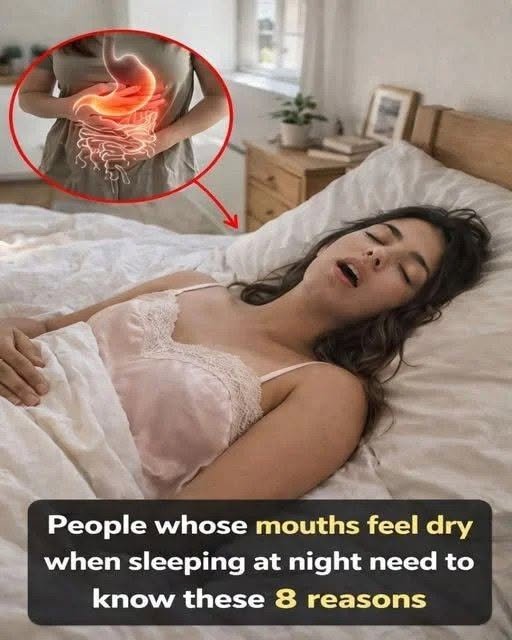
When sensationalized wellness blogs and late-night health feeds frame waking up with a dry mouth every single night as a mysterious, toxic affliction or an urgent harbinger of an exotic disease, they rely on a familiar scare tactic. They take a common, highly explicable physiological annoyance and wrap it in alarmism to drive clicks.
In reality, while waking up feeling like your tongue is stuck to the roof of your mouth is deeply uncomfortable, it is a well-documented clinical phenomenon known as nocturnal xerostomia with clear mechanical, pharmacological, and environmental drivers.
What Clickbait “Dry Mouth” Myths Get Wrong
-
The “Toxic Buildup” Fallacy: Alarmist wellness articles often claim that a dry mouth at night means your body is overwhelmed by toxins and needs an aggressive cleanse or flush, completely ignoring the fluid dynamics of sleep.
-
Ignoring the Medicine Cabinet: Clickbait glosses over the most common everyday culprit—prescription and over-the-counter medications—in favor of expensive supplements and unverified “miracle” mouthwashes.
The Clinical Reality: Why Your Mouth Dries Out Overnight
Dentists, otolaryngologists, and primary care physicians evaluate chronic nighttime dryness by looking at how your body regulates moisture during sleep:
-
Circadian Salivary Slowdown: Your major salivary glands (the parotid, submandibular, and sublingual glands shown above) naturally reduce their output while you sleep as part of your body’s normal circadian rhythm. Because you aren’t eating, drinking, or actively swallowing for hours, a baseline level of dryness upon waking is standard. When that reduction becomes extreme, it causes clinical discomfort.
-
Nighttime Mouth Breathing: This is one of the most frequent physical culprits. If your nasal passages are obstructed due to a deviated septum, nasal polyps, seasonal allergies, or chronic congestion, you inevitably breathe through your mouth while sleeping. The constant stream of air acts like a fan over a puddle, rapidly evaporating the protective film of saliva coating your oral mucosa.
-
Pharmacological Side Effects: Over 400 medications list dry mouth as a direct side effect. Drugs commonly prescribed for high blood pressure, depression, anxiety, allergies (antihistamines), and urinary incontinence actively suppress salivary gland secretion. If taken in the evening, their peak concentration coincides directly with your sleeping hours.
-
Sleep-Disordered Breathing and CPAP Therapy: Conditions like obstructive sleep apnea (OSA) frequently involve heavy snoring and open-mouth breathing. Furthermore, individuals using a Continuous Positive Airway Pressure (CPAP) machine often experience drying of the oral and nasal mucosa if the device’s integrated humidifier isn’t properly adjusted or if the mask leaks airflow.
-
Environmental and Lifestyle Factors: Low bedroom humidity (especially during winter months with indoor heating), alcohol consumption close to bedtime, and systemic conditions like Sjögren’s syndrome can heavily exacerbate nocturnal dryness.
Evidence-Based Ways to Manage Nocturnal Dryness
You don’t need a pricey wellness elixir or a dramatic medical intervention to find relief. Practical, straightforward strategies can make a substantial difference:
-
Optimize Ambient Humidity: Running a clean, cool-mist humidifier in your bedroom overnight adds moisture to the air, preventing indoor heating or air conditioning from pulling hydration straight out of your open mouth.
-
Encourage Nasal Airflow: Addressing nasal congestion with saline rinses or exploring external nasal dilator strips can help keep your nasal passages open so you can breathe comfortably through your nose.
-
Review Your Medication Schedule: If your chronic dry mouth began around the same time you started a new prescription, consult your physician or pharmacist. They can often evaluate whether adjusting the timing of your dose or exploring an alternative medication is appropriate.
-
Prioritize Salivary Protection and Oral Hygiene: Saliva is your body’s primary defense against tooth decay, neutralizing acids and washing away food particles. If you experience chronic dryness, maintaining rigorous dental hygiene, using fluoride rinses, and staying adequately hydrated throughout the day are vital to protect your enamel.
The Bottom Line
Waking up with a dry mouth every night is usually a reflection of environmental humidity, mouth breathing, or medication side effects rather than an ominous medical mystery. However, because chronic lack of saliva compromises your teeth’s natural defenses, persistent severe dryness warrants a conversation with your dentist or doctor.
