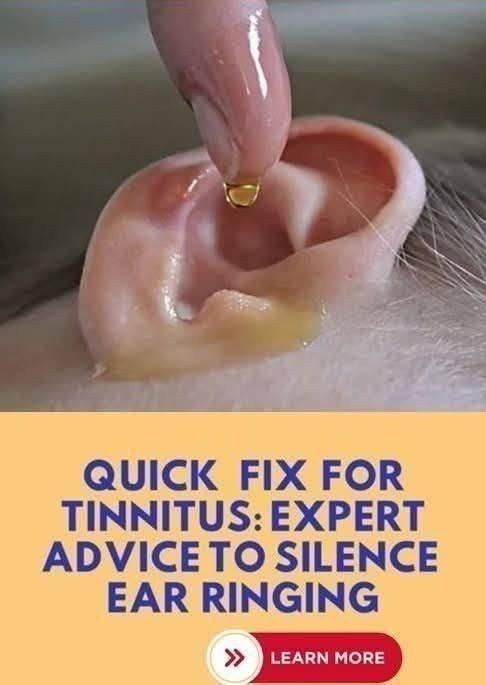
When sensational health blogs and viral social media videos promise that you can “put 2 drops in your ear and you will hear like before, recover your hearing,” they are peddling a dangerous piece of medical snake oil.
The underlying otolaryngological and physiological reality is stark: sudden or age-related hearing loss cannot be reversed overnight by mysterious kitchen oils, DIY ear drops, or miracle concoctions. While safe softening drops (like mineral oil or commercial wax softeners) can help clear a physical blockage caused by impacted earwax, no over-the-counter drop can repair damaged sensory hair cells in the cochlea, reverse nerve damage, or cure sensorineural hearing loss. Falling for “miracle drop” scams often delays proper medical diagnosis for treatable conditions.
An evidence-based look at what ear drops can actually do—and when hearing loss requires a doctor—separates dangerous internet folklore from sound audiology.
1. What Ear Drops Can Actually Do (The Reality of Earwax)
The only type of hearing loss that can be instantly and dramatically “recovered” with liquid drops is conductive hearing loss caused by cerumen (earwax) impaction.
-
How It Works: If a dense plug of earwax has completely sealed your ear canal, deadening sound waves from reaching your eardrum, using approved softening drops (such as carbamide peroxide or plain mineral oil) for a few days can loosen the wax so it can be safely flushed out by a healthcare professional.
-
The Limit: The drops soften the wax; they do not restore damaged hearing structures or cure nerve-related hearing loss. Furthermore, pouring random oils into your ear when you have an undiagnosed eardrum perforation or a middle-ear infection can cause severe pain or introduce dangerous bacteria.
2. When Hearing Loss Signals a Medical Emergency
If you experience a sudden or progressive decline in hearing, ignoring it or trying to treat it with viral drops can lead to permanent damage. You should see an ear, nose, and throat (ENT) specialist or audiologist immediately if you notice:
-
Sudden Sensorineural Hearing Loss (SSHL): If hearing drops rapidly in one or both ears over the course of a few hours or days (often described as waking up deaf in one ear or hearing a sudden “pop”), this is a medical emergency. Prompt treatment with corticosteroids within the first 72 to 148 hours gives the best chance of recovery.
-
Hearing Loss Accompanied by Pain or Discharge: Fluid drainage, severe earaches, or foul-smelling discharge point to an active infection (like otitis externa or media) requiring prescription antibiotic or antifungal drops.
-
Unilateral Tinnitus or Dizziness: Hearing loss paired with persistent ringing in only one ear or severe vertigo can indicate underlying vestibular or neurological conditions that require professional evaluation.
The Takeaway
Ignore the viral videos promising instant, miraculous hearing restoration with a couple of drops. If your hearing is muffled due to a simple wax blockage, safe softening drops can help, but any sudden, unexplained hearing loss requires immediate medical attention from an otolaryngologist, not an unverified internet remedy.
