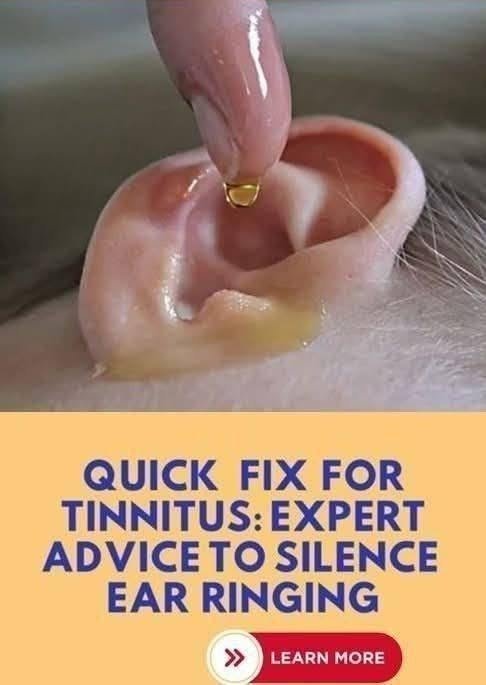
When sensationalized health clickbait promises that you can “Put 2 drops in your ear and you will hear like before. Recover your hearing,” they are selling an auditory miracle: the promise that a few mysterious drops can instantly reverse age-related hearing loss, clear inner ear damage, or restore youthful hearing without medical intervention.
From an otolaryngology (ear, nose, and throat) and geriatric medicine perspective, while over-the-counter or home-remedy ear drops can safely soften simple earwax impactions that temporarily muffle sound, no ear drop can reverse age-related hearing loss (presbycusis), nerve damage, or structural inner ear conditions. Headlines like this prey on the frustration of hearing decline, pushing unverified oils or solutions that can sometimes cause irritation or mask serious underlying conditions.
The Reality Behind Hearing Loss and Ear Drops
Why do simple ear drops work for some hearing muffling, but fail entirely for true hearing loss?
-
The Culprit is Usually Wax (Cerumen): If your hearing suddenly feels muffled and sound improves after using softening drops (like mineral oil or commercial wax-removal drops), it is because you had a physical blockage of hardened earwax. Once the wax is softened and removed by a clinician or safe irrigation, normal sound conduction is restored.
-
The Limits of the Ear Canal: Ear drops only travel as far as the outer ear canal and the outer surface of the tympanic membrane (eardrum). They cannot cross into the middle or inner ear, meaning they have zero physiological mechanism to repair delicate hair cells in the cochlea or auditory nerve pathways.
-
Presbycusis and Nerve Aging: Most age-related hearing loss is sensorineural—meaning it stems from the gradual wear-and-tear of microscopic sensory hair cells in the inner ear over decades. No liquid drop applied to the ear canal can regenerate these nerve cells.
Evidence-Based Ways to Protect and Manage Hearing Health
If you or a loved one are noticing changes in hearing, clinical guidelines emphasize safe, professional care over internet miracle cures:
-
Get a Professional Audiological Evaluation: If hearing is declining, schedule an exam with your primary care doctor or an audiologist. They can determine whether your hearing loss is due to simple wax buildup, conductive issues, or sensorineural changes.
-
Never Insert Objects into Your Ear Canal: Avoid using cotton swabs (Q-tips), hairpins, or improvised tools to dig out wax. This almost always pushes wax deeper against the eardrum, increasing the risk of impaction or accidental perforation.
-
Explore Modern Assistive Technology: If age-related hearing loss is present, modern hearing aids, amplification devices, and assistive listening technologies have advanced remarkably, vastly improving quality of life and social connection.
-
Protect Against Noise-Induced Damage: Limit exposure to excessively loud environments (such as heavy machinery, concerts, or loud power tools) and wear protective earplugs when exposure is unavoidable.
